


The Myth of Anarchic Art
The prevailing image of Burning Man is one of radical, spontaneous creation. Many assume that the spectacular art installations and elaborate theme camps that dot the desert landscape simply appear, willed into existence by free-spirited attendees. The idea
is that thousands of people just show up and do their own thing, resulting in a beautiful, accidental city. While the principles of Radical Self-Expression and Participation are central to the event's ethos, the notion that it’s a complete free-for-all is one of the biggest misconceptions about the week-long gathering. The truth is, Black Rock City’s vibrant culture doesn't just happen; it's meticulously planned and facilitated.
The Blueprint: Honoraria Grants and Art Curation
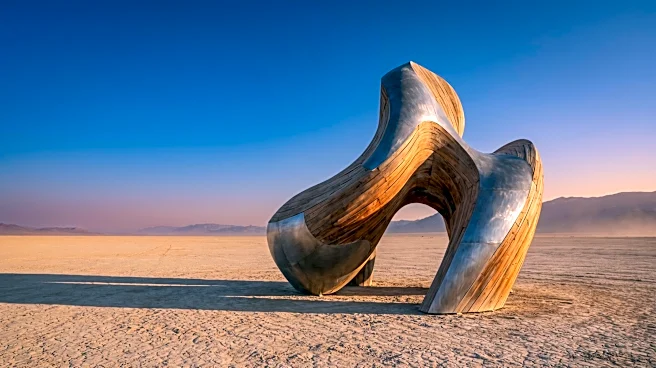
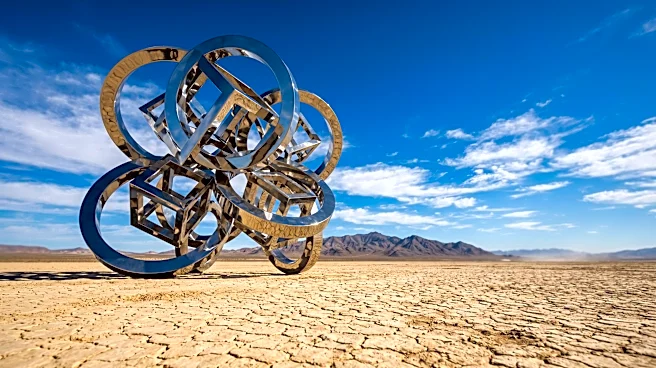
The most jaw-dropping, large-scale art pieces don't materialize out of thin air. Many are funded and selected through the Burning Man Project's Honoraria grant program. Each year, artists from around the globe submit proposals, and a curatorial team reviews hundreds of applications, awarding grants to dozens of projects. For 2026, the organization awarded $1.3 million to 75 projects, which are often aligned with the event's annual theme. This juried selection process ensures a high standard of ambitious, interactive, and awe-inspiring art populates the open playa. While anyone can bring art to Burning Man, these funded pieces form the backbone of the event's visual identity, proving that a significant part of the art is very much curated.
The Urban Planners: Black Rock City's Placement Team
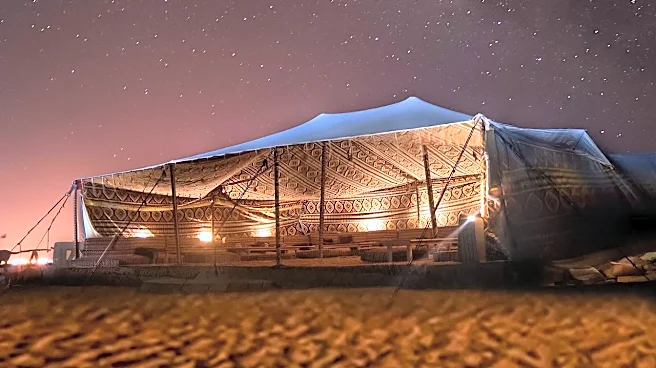
Black Rock City itself is a marvel of temporary urban planning, and nothing about its layout is random. A dedicated group of volunteers known as the Placement team is responsible for designing the iconic C-shaped grid of the city. This isn't just about drawing lines in the sand; it's about social engineering. The team reviews more than 1,500 applications from theme camps, which are the interactive hubs offering everything from pancake breakfasts to BDSM workshops. The Placement team strategically arranges these camps to create vibrant, interactive neighborhoods, ensuring that a quiet meditation camp isn't placed next to a 24/7 sound stage. They consider a camp's interactivity, sound levels, and overall contribution to decide its location, creating a city that encourages exploration and connection.
The Schedule: The 'WhatWhereWhen' Guide
What about the thousands of parties, workshops, and performances? Surely those are spontaneous. Not exactly. While impromptu moments are a huge part of the experience, a vast number of events are planned and registered months in advance. The organizers compile these listings into the 'WhatWhereWhen' guide, a physical book and online calendar that serves as the event's program. This guide details thousands of scheduled happenings, from a sunrise yoga class to a grilled cheese-making competition or a lecture on astrophysics. Camps and artists submit their events for inclusion, turning what could be an overwhelming mess of activities into a navigable, albeit still wild, schedule. This guide is the ultimate proof that behind the perceived pandemonium is a community deeply invested in organized fun.