






The Sound of Something New
Before 1956, popular music was largely a clean-cut affair. Crooners delivered smooth vocals over tightly arranged orchestras, and recordings were engineered for maximum polish. But a seismic shift was underway. A new generation of artists, channeling
a blend of country, blues, and rhythm and blues, was creating a sound that felt more immediate and visceral. Capitol Records, seeking its own answer to Elvis Presley, found it in a demo from a Norfolk, Virginia native named Gene Vincent. The song was "Be-Bop-A-Lula," and while Vincent had the rebellious look and hiccuping vocal style, the real revolution happened in the studio.
The 'Be-Bop-A-Lula' Session
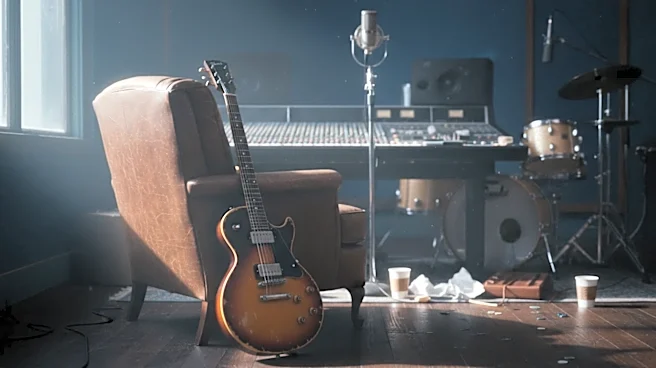
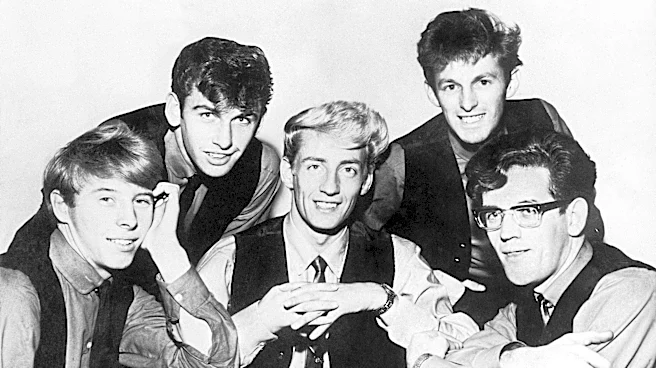
On May 4, 1956, Gene Vincent and his band, the Blue Caps, entered Owen Bradley's studio in Nashville. The session was helmed by Capitol producer Ken Nelson, who, despite his own tastes leaning away from rock and roll, had an ear for talent and a job to do. Nelson made a crucial decision: instead of using Nashville's seasoned session musicians, he let Vincent record with his own band, a rare move at the time. The Blue Caps, particularly the virtuosic lead guitarist Cliff Gallup, brought a raw, untamed energy. All the recordings were done live, with the entire band playing at once in the same room to capture the feel of a live performance—a stark contrast to today's multi-track recording process. This approach was essential to creating their signature sound.
An Echo That Defined a Genre
The secret ingredient in Vincent's early recordings was a liberal use of slapback echo. This effect, created by recording a signal to tape and playing it back just milliseconds later, gave Vincent's vocals and Gallup's guitar a distinctive, fluttering echo. While Sam Phillips was famously using slapback at Sun Records with Elvis, the team at Bradley's studio—Nelson, Bradley, and engineer Mort Thomasson—harnessed it in their own unique way. They used an Ampex 350 tape machine specifically for the echo effect, blending it with the main recording from an Ampex 300. On tracks like “Catman,” the echo on the guitar was reportedly louder than the original signal, an audacious choice that became a defining characteristic of rockabilly guitar. This technique added a sense of space, atmosphere, and wildness that made the records feel otherworldly.
Controlled Chaos in the Studio
The sessions were a masterclass in creative problem-solving. Vincent had a quiet, breathy singing style, while drummer Dickie “Be Bop” Harrell played with explosive force. To prevent the drums from bleeding into the vocal microphone, the engineers had to physically separate Vincent, eventually placing him in a hallway to sing, out of sight from his own band. That isolation, combined with the short, unusual reverb from the studio's utility room echo chamber and Harrell’s famous mid-song scream, all contributed to the unique sonic texture of "Be-Bop-A-Lula." It was a sound born from a mix of technical know-how and happy accidents, capturing lightning in a bottle.
The Legacy of a Sound
Though Gene Vincent's time in the American spotlight was relatively brief, the influence of his early recordings is immense. The combination of raw performance, Cliff Gallup’s pioneering guitar work, and the atmospheric use of tape echo created a template for countless musicians. British rockers were particularly smitten; The Beatles and Jeff Beck were heavily influenced by the Blue Caps' sound. Beck even recorded an entire tribute album in 1993, "Crazy Legs," dedicated to Gallup's guitar work. The sound Vincent and his team forged—raw, drenched in echo, and crackling with live energy—didn't just launch a career; it provided a sonic roadmap for the burgeoning genre of rock and roll.