

1. Tiered Ticketing Is King
The most fundamental revenue stream for any festival is ticket sales, and Camp Flog Gnaw has mastered the art of tiered pricing. Beyond a standard General Admission pass, the festival offers VIP and Super VIP packages at significantly higher price points.
These premium tiers grant access to perks like dedicated entrances, exclusive viewing areas, and cleaner bathrooms. The Super VIP tier has even included post-festival merchandise like a custom Sony turntable. This strategy extracts maximum value from attendees willing to pay for comfort and exclusivity, turning the basic entry fee into a multi-layered profit center. The price difference between a GA pass and a VIP package is almost pure margin, built on the same core artistic lineup.
2. The Hype-Fueled Merchandise Machine
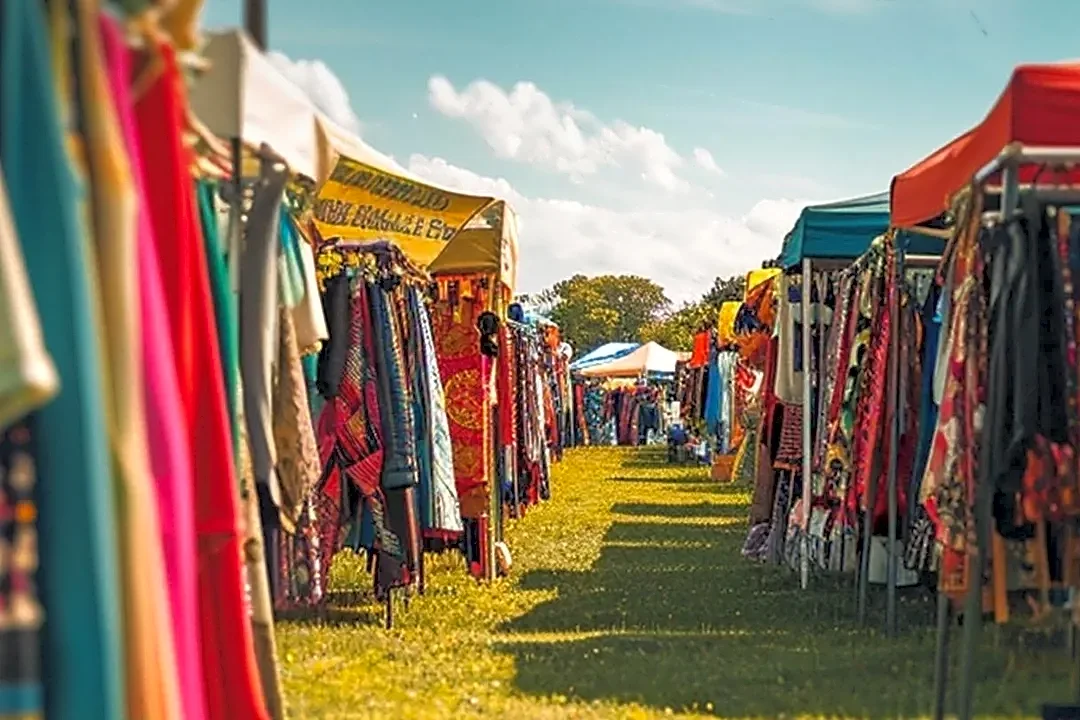
For many attendees, Camp Flog Gnaw is as much a shopping event as it is a concert. The festival serves as a major drop for Tyler, the Creator's own brands, Golf Wang and Golf le Fleur, with exclusive, festival-only items that sell out almost instantly. Fans line up for hours to purchase rare pieces, knowing they may never be available online. Beyond Tyler's personal brands, the festival sells its own branded merchandise featuring the lineup, as well as gear from the performing artists. This creates a powerful sense of urgency and community, where wearing the merch is a key part of the experience. The festival essentially operates a series of high-demand pop-up shops, driving a massive secondary revenue stream built on brand loyalty and scarcity.
3. Strategic Brand Sponsorships and Activations
Modern festivals don't just put sponsor logos on banners; they integrate brands into the experience itself. Camp Flog Gnaw excels at this, partnering with companies that align with its creative and youthful audience. Past sponsors have included Converse, Postmates, and even the NFL, which hosted a 'Camp NFL' activation with games and co-branded merchandise. These 'activations' are interactive experiences—like sponsored lounges or photo ops—that give brands a direct and memorable way to engage with tens of thousands of potential customers. For the festival, this is a lucrative income source that can sometimes account for a huge portion of its overall revenue, offsetting the massive costs of production and artist fees.
4. Food, Drink, and Vendor Fees
Once you're inside the festival gates, you're a captive audience. Camp Flog Gnaw, like all major festivals, leverages this by being a completely cashless event where all food and beverage sales are handled internally. But the festival doesn't just profit from selling its own items. It also charges food trucks and other outside vendors significant fees for the right to operate on-site. This often includes a flat fee plus a percentage of the vendor's total sales. The festival takes on very little risk, as the vendors are responsible for their own inventory and staffing, while the organizer collects a share of every transaction from a hungry and thirsty crowd with no other options.
5. The Monetized Carnival Experience
The carnival isn't just a theme at Camp Flog Gnaw; it's a core, monetized part of the experience. While all attendees get access to the festival's signature rides with their pass, the carnival games are typically a separate, pay-to-play expense. Attendees can buy credits or passes to play games for a chance to win exclusive prizes. For those who want the full experience without limitation, the top-tier Super VIP package often includes unlimited carnival games, bundling the cost into the highest ticket price. This transforms the festival's central novelty from a simple backdrop into an interactive arcade, creating another layer of on-site spending that contributes directly to the bottom line.
6. Media and Streaming Rights
As the festival's profile has grown, its reach now extends far beyond the grounds of Dodger Stadium. In recent years, Camp Flog Gnaw has been live-streamed, with platforms like Amazon Prime and Twitch broadcasting the performances to a global audience. Selling these broadcasting rights creates an entirely new revenue stream that monetizes the event for people who aren't even there. This not only generates income but also serves as a massive marketing tool, amplifying the festival's cultural footprint and building hype for future years. It turns a two-day physical event into a worldwide media spectacle, adding significant value for sponsors and artists alike.