



Born from the Sea
The story of the cable-knit begins not on a fashion runway, but on the windswept Aran Islands off the west coast of Ireland in the early 1900s. Known then simply as an Aran sweater, it was a garment born of pure necessity. The wives of fishermen began
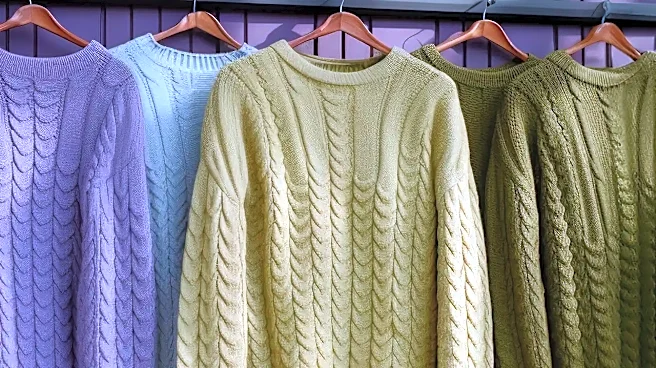
knitting these intricate jumpers to protect their husbands from the brutal Atlantic weather. The wool, rich in natural lanolin, was water-resistant, capable of absorbing a significant amount of moisture before feeling wet. The distinctive, raised cable patterns weren't just for looks; they created a thicker, denser fabric that trapped pockets of air, providing superior insulation against the cold and sea spray. This was functional workwear at its most ingenious, designed for survival in one of the world's harshest environments.
Woven Myths and Meanings
A romantic legend persists that each family or clan on the islands had its own unique stitch pattern, used to identify fishermen lost at sea. While this story adds to the sweater's mystique, historical evidence for it is thin. The more grounded symbolism ties the patterns to the very fabric of island life. The classic cable stitch represented a fisherman's ropes, a wish for safety and a good day's work. The basket stitch symbolized the hope of a bountiful catch, while the diamond stitch was meant to evoke the small, fertile fields of the islands, a wish for wealth and success. Each sweater was a tapestry of hopes and prayers woven into wool.
From Workwear to Style Staple
For decades, the Aran sweater remained a regional treasure. That all changed in the 1950s. The garment’s big break came in 1958, when a pattern inspired by the Aran process was featured in Vogue magazine. Suddenly, this humble Irish export was on the radar of American tastemakers. Its appeal was immediate and widespread, adopted by everyone from Hollywood royalty like Grace Kelly and Steve McQueen to folk singers who appreciated its authentic, unpretentious roots. It crossed class and cultural lines, offering a unique blend of ruggedness and elegance that few other garments could match.
The Preppy Icon and the Modern Classic
By the latter half of the 20th century, the cable-knit had become a cornerstone of American preppy style. Seen on college campuses and in coastal New England towns, it became a symbol of a certain kind of casual, intellectual affluence—a look that suggested both tradition and effortless comfort. This adoption cemented its status as a classic, removing it from the churn of seasonal trends. Today, its appeal is perhaps stronger than ever. In an age of fast fashion, the cable-knit stands for durability, craftsmanship, and authenticity. It’s the sartorial equivalent of a roaring fire on a cold day—a feeling of comfort and security that we crave. Its viral resurgence, thanks to Chris Evans’ iconic sweater in the 2019 film Knives Out, simply reminded everyone of a truth they already knew: the cable-knit is forever.