




More Than Just Applause
Every September, the film world turns its eyes to Canada for the Toronto International Film Festival (TIFF). Unlike the more formal, jury-focused festivals like Cannes, TIFF's top prize, the People's Choice Award, is voted on by the public. This makes
the audience reaction—raw, immediate, and emotional—the most important currency. A premiere that ends with polite clapping is one thing. A premiere that receives a five, ten, or even fifteen-minute standing ovation is another entirely. That eruption of applause is a signal, a tangible piece of evidence that a film has not just been watched, but felt. It's the first sign that a movie might have the elusive emotional power to carry it through the grueling, months-long awards season.
The Birth of 'Buzz'
In the age of social media and instant analysis, a standing ovation is a story. Within minutes of the lights coming up, film journalists and critics in the audience are already posting their reactions. The length of the ovation is often timed and reported by major trade publications, creating a quasi-sport out of audience approval. An eight-minute ovation becomes a headline, a tweet, a talking point. This is the birth of 'buzz'—a powerful but abstract force that can make or break a film's Oscar hopes. It creates an immediate narrative: this film is a contender. It’s the kind of momentum that studio publicists dream of, as it provides a simple, compelling story to pitch to voters and the public. A long ovation suggests consensus, excitement, and, most importantly, emotional impact.
The Studio Playbook
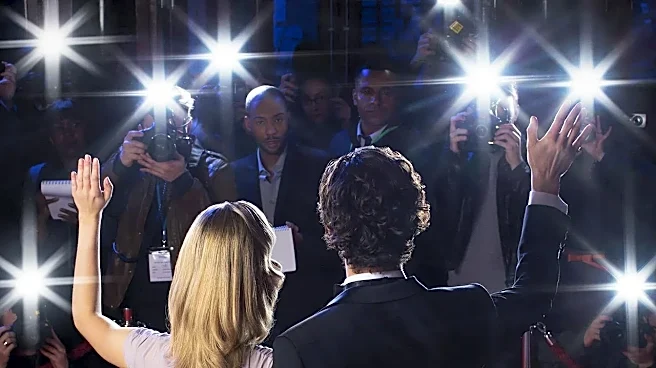
Once a film receives a thunderous ovation at TIFF, its marketing and awards campaign teams spring into action. That moment becomes a key asset. Clips of the tearful director and beaming cast soaking in the applause will inevitably find their way into promotional materials and 'For Your Consideration' reels sent to Academy voters. The story of the premiere becomes part of the film's identity. It reframes the movie from just another release into a cultural event. The narrative shifts to, "You have to see the film that got a 10-minute standing ovation at TIFF." It’s a powerful tool to cut through the noise and position a film as a must-see for awards voters who are inundated with screeners.
A Proven Track Record
While some critics argue the significance of standing ovations is overblown, history shows a strong correlation between TIFF enthusiasm and Oscar success. The festival's People's Choice Award has become a remarkably accurate bellwether for the Academy Awards. Past winners that went on to secure a Best Picture Oscar include "Green Book," "Nomadland," "12 Years a Slave," "The King's Speech," and "Slumdog Millionaire." Many other winners, like "La La Land," "Jojo Rabbit," and "American Fiction," secured Best Picture nominations. This track record solidifies TIFF’s reputation as the unofficial launchpad for awards season. A strong reception here doesn't just create buzz; it places a film on a historically validated path toward Oscar gold.