


Beyond Big and Small: Understanding Visual Weight
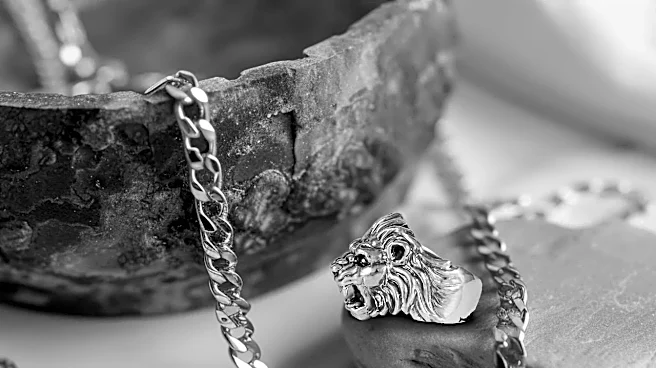
The first step is to stop thinking about 'size' and start thinking about 'visual weight'. This design principle refers to how much an element commands attention. A chunky, matte wooden bead necklace might have more visual weight than a thin, sparkling
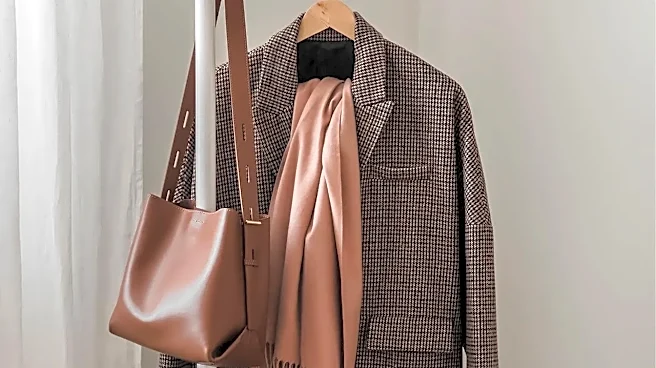
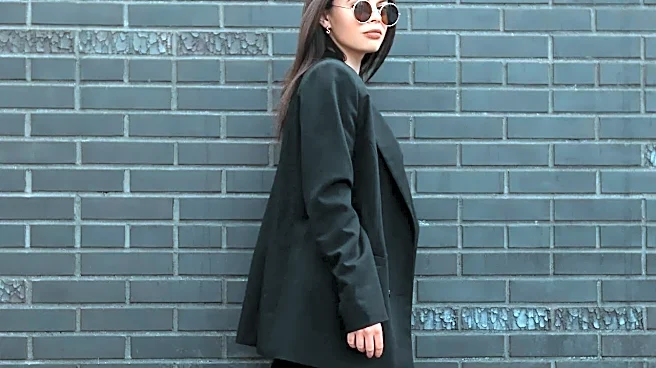
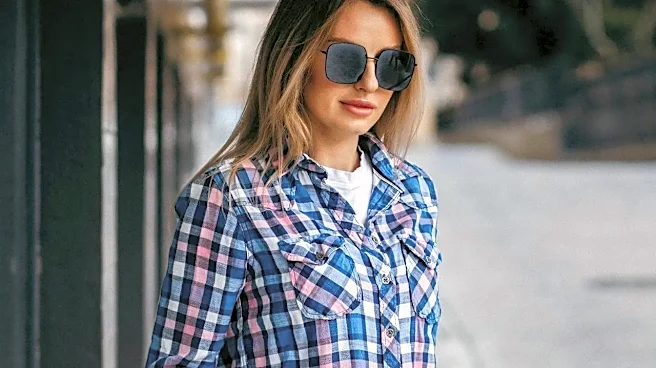
diamond chain simply because it appears heavier and more dominant. Factors like color, texture, and complexity all contribute. A bright, bold-colored piece has more weight than a neutral one. An intricate design feels heavier than a simple, clean shape. When you're getting dressed, the goal is to create balance. If your outfit has high visual weight—like a jacket with a bold pattern or a brightly colored dress—your jewelry should have lower visual weight to avoid creating a look where every piece is competing for attention. Conversely, a simple, minimalist outfit can handle—and is often elevated by—jewelry with significant visual weight.
Let the Fabric Have a Say
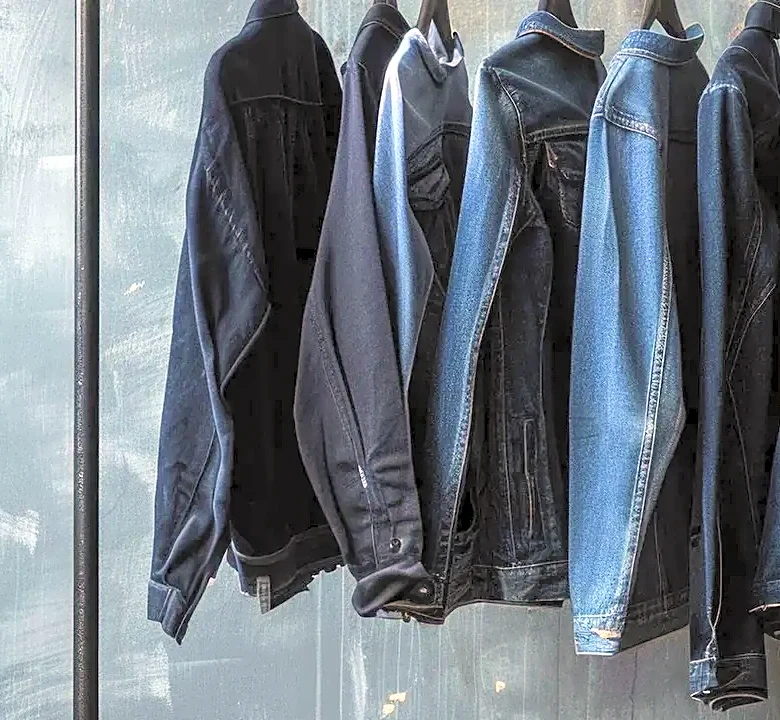
The texture of your clothing is a critical part of its visual language. A heavy, textured fabric like a chunky knit sweater, thick wool, or stiff denim has a high visual weight and can easily support a bolder, more substantial piece of jewelry. A delicate, fine-gauge chain would get lost against a cable-knit turtleneck. In contrast, lightweight and smooth fabrics like silk, satin, or fine jersey have a low visual weight. They call for more delicate, refined jewelry. A heavy, chunky necklace would overwhelm a silk camisole, making the top look flimsy and the jewelry feel clumsy. The key is to match the substance of your accessories to the substance of the fabric for a look that feels harmonious and intentional.
The Neckline Is Your Guide
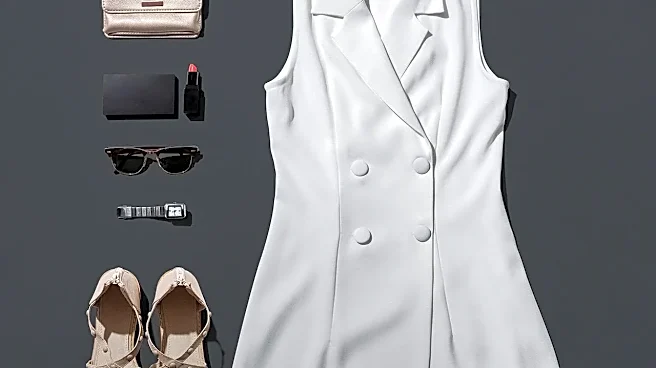
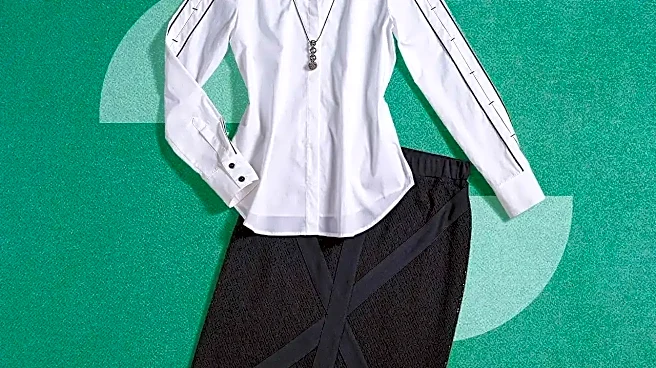
The neckline of your top or dress creates a frame for your jewelry, and the most successful pairings work with that frame, not against it. The rule is simple: echo the shape of the neckline. For a V-neck, a pendant necklace that drops into a 'V' shape is a natural fit, as it follows the line of the fabric. A scoop neck works well with a shorter, rounded necklace that mirrors its curve. Square necklines look best with angular or geometric pieces that complement their sharp lines. High necklines, like crew necks and turtlenecks, present a different challenge. Since they cover the area where a short necklace would sit, the best approach is often to go for very long chains that fall well below the fabric's edge or to skip the necklace entirely and opt for a statement earring instead. If a neckline is already busy with ruffles or embellishments, let it be the star and keep accessories minimal.
Creating a Clear Focal Point
A well-styled outfit has a clear hierarchy, guiding the eye to a specific focal point. Too many statement pieces—a bold necklace, oversized earrings, and a stack of chunky bracelets—can create visual chaos. A more effective approach is to choose one area to emphasize. If you're wearing a dramatic, eye-catching necklace, consider smaller, more subdued earrings like simple studs. If your earrings are the main event, a delicate chain or no necklace at all will keep the focus where you want it. This 'less is more' approach ensures your accessories are enhancing your look, not overpowering it. Think of it as letting one piece take the lead while the others play a supporting role, creating a balanced and polished final composition.