

What Is a Hero Shot, Anyway?
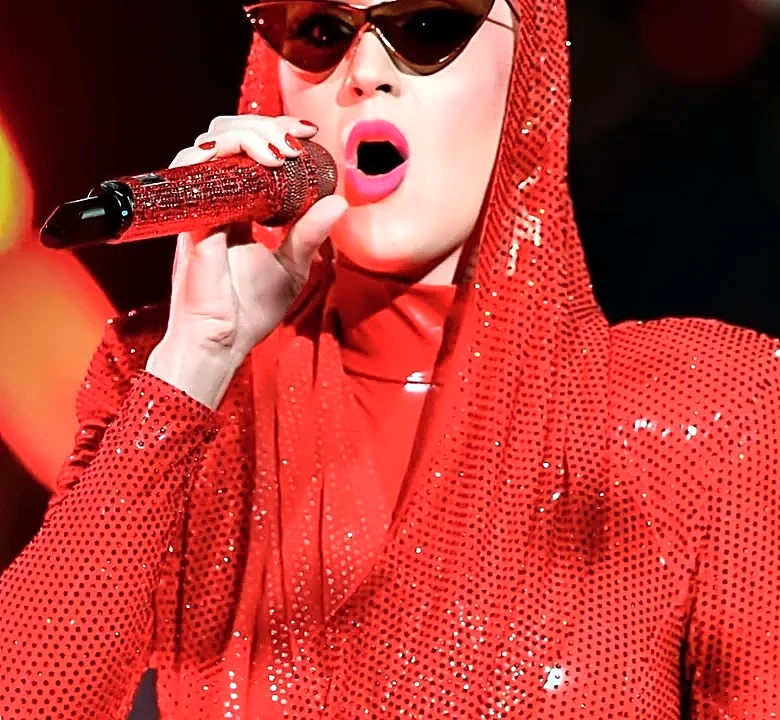
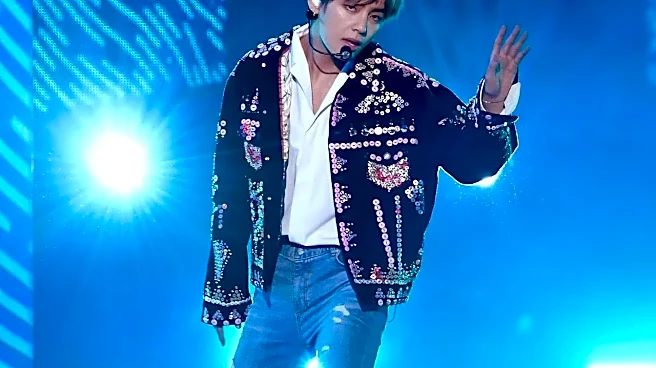
Before a single camera rolls, the entire broadcast of a performance hinges on identifying one crucial moment. This is the “hero shot.” Think of it as the defining image, the single frame destined to become a GIF, a reaction meme, or the thumbnail for a thousand
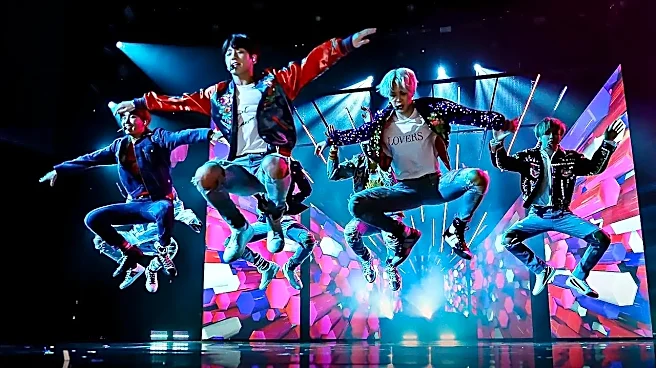
recap videos. It’s the visual thesis statement for the entire performance. This shot is designed to capture the essence of the artist's message, whether it's a look of defiance, a moment of pure joy, or a complex dance move executed flawlessly. It isn't just a random cool-looking angle; it’s a deliberately crafted peak that the entire production is designed to build toward and support. Directors like Hamish Hamilton, who has helmed everything from the Super Bowl halftime show to the VMAs, specialize in finding these defining cultural moments. The hero shot is the anchor, the north star that guides every other decision.
Mapping the Performance
The process doesn't start in the loud, flashy arena but in quiet rehearsal rooms. Weeks before the live show, the director and their team embed with the artist and their creative director. They watch the performance take shape, from early choreography sessions to full-dress run-throughs. The director’s job is to learn the performance as intimately as the artist themself. They identify the crescendos, the emotional beats, and the visual surprises. It is during this phase that the hero shot is chosen in collaboration with the artist. Once that peak moment is locked in, the director creates what's known as a “paper edit” or a camera script. This document is a detailed, second-by-second blueprint, mapping out which of the dozens of cameras will capture which piece of action. Every camera has a job, and every shot has a purpose: to set up, execute, and move on from the hero shot.
Choreographing the Cameras
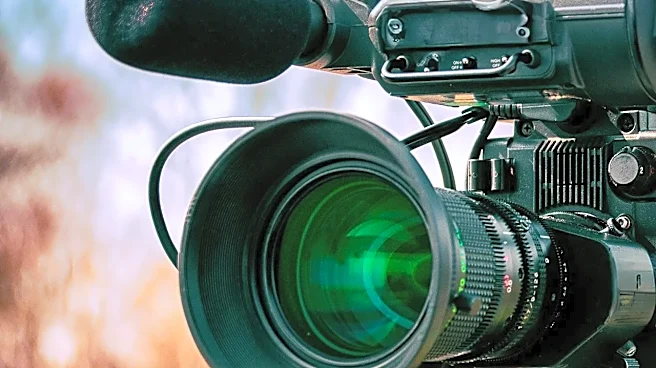
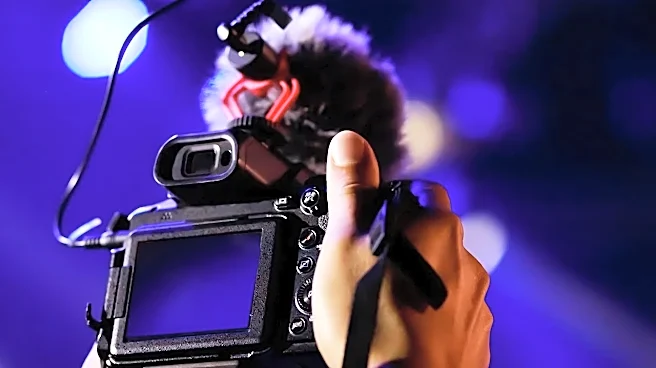
If the artist’s performance is a dance, the camera work is a parallel ballet. With the hero shot as the centerpiece, the director assigns roles to a vast array of technology. A Steadicam might be tasked with weaving through backup dancers to create a sense of immersion. A massive jib or crane could be planned for a dramatic pull-back that reveals the scale of the stage. A remote-controlled camera on a track might race alongside the artist during a high-energy verse. Each of these camera paths is meticulously planned to lead the viewer’s eye. A low-angle shot can make an artist appear powerful and iconic, setting the stage for the hero moment. Conversely, a wide shot immediately following the hero shot can give the audience a moment to breathe and appreciate the spectacle. The goal is to create a visual narrative that feels dynamic and spontaneous, even though every single move has been plotted out in advance.
The Symphony of the Switcher
All the planning culminates in a small, dark room far from the stage: the production truck. Here, the director sits before a wall of monitors, each displaying a feed from a different camera. This is where the plan meets reality. During the live performance, the director becomes a conductor, calling out camera numbers to the technical director (or “switcher”) who cuts between the feeds in real time. The rhythm is frantic: “Ready camera 4… Take 4. Ready 2… Take 2. Get ready for the crane pull-back… Now!” While the paper edit provides the sheet music, the director must be prepared to improvise. A performer might miss a mark, a piece of pyrotechnics might go off early, or an unexpected emotional moment might happen. The director has to make a split-second decision: stick to the plan or capture the unexpected magic? But no matter what happens, their primary objective remains getting to that hero shot cleanly and effectively. It’s the one non-negotiable moment in a sea of live-television variables.