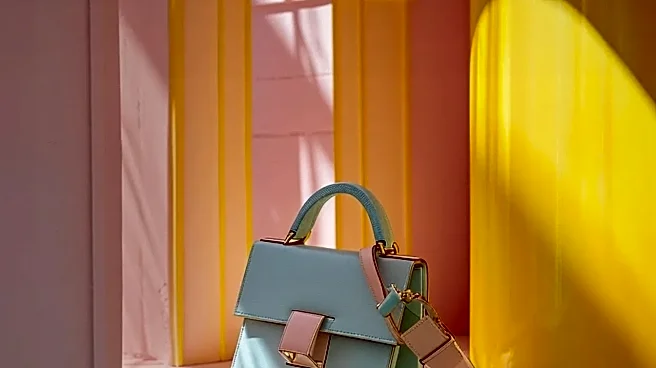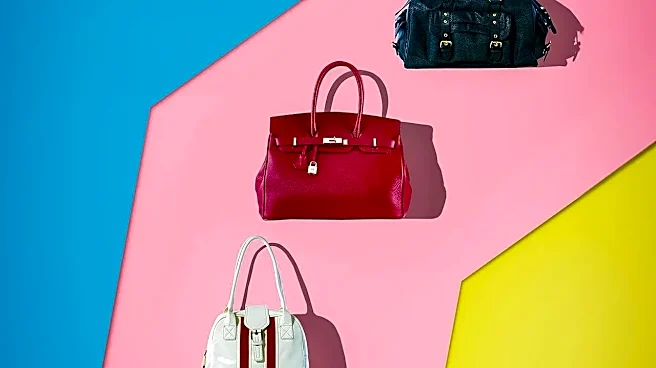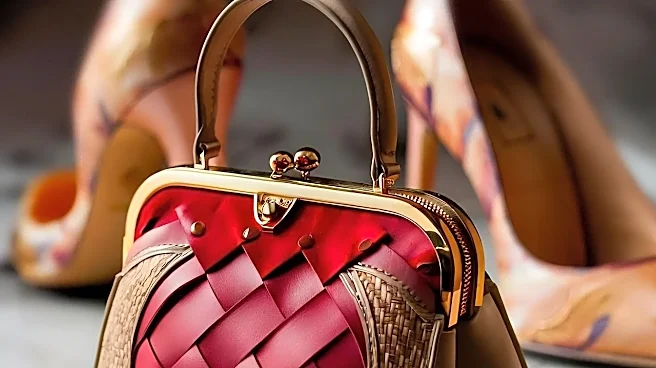





An Instant Upgrade from Sporty to Sophisticated
At its core, a racquet-inspired bag is born from utility. It’s typically made of durable, lightweight canvas—a material with roots in military gear and workwear. While canvas is practical and gives off a relaxed, athletic vibe, it can read as purely casual.
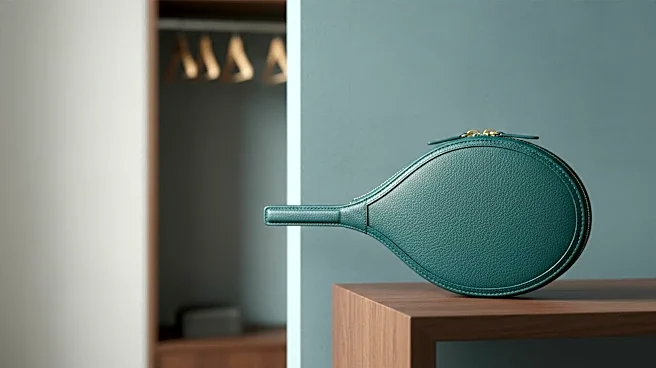
The introduction of leather immediately shifts this perception. Leather has been synonymous with luxury and skilled craftsmanship for centuries, used in everything from ancient Roman pouches to the iconic handbags of heritage brands. When you add leather handles, corners, or piping to a canvas bag, you're borrowing from that history. It sends a powerful signal of quality and intention, suggesting the bag is more than just a vessel for a racquet and water bottle; it's a considered fashion accessory. This simple material contrast allows the bag to bridge two worlds, making it feel just as appropriate at a brunch or a casual office as it does courtside.
The Power of Structure and Silhouette
One of the most significant changes leather brings is structure. A basic canvas tote can be floppy and shapeless, collapsing when set down. Leather, being a more rigid material, provides a framework that helps the bag hold its form. Designers use leather trim on the base, corners, and top edges to give the bag a defined silhouette. This structural integrity makes the bag look more deliberate and architectural. A bag that stands upright on its own feels more substantial and polished than one that puddles on the floor. The leather acts as a skeleton, transforming a soft, pliable object into a piece with a distinct and elegant shape, elevating it from a simple sack to a structured tote.
Creating Visual and Textural Contrast
Great design is often about interesting contrasts, and the pairing of canvas and leather is a perfect example. The rugged, woven texture of canvas provides a matte, utilitarian backdrop. Against this, the smooth or pebbled grain of leather creates a point of visual and tactile focus. This interplay of textures makes the bag more dynamic and engaging. The canvas keeps the bag from feeling too heavy or formal, while the leather introduces a touch of refinement and luxury. This balance is key to its versatility. A full-leather tote might feel too formal for a casual weekend, while a plain canvas bag might feel underdressed for a dinner out. The combination hits a sweet spot, creating a 'casual-polished' aesthetic that works for a huge range of occasions and outfits.
A Signal of Durability and Craft
Beyond aesthetics, leather trim serves a practical purpose that implies a higher level of quality. The corners, handles, and seams are the highest points of wear on any bag. Reinforcing these stress points with leather—a material known for its longevity—is a hallmark of thoughtful construction. It shows that the bag was built to last, not just to be a fleeting trend. This nod to durability and craftsmanship resonates with a 'buy fewer, better things' mentality. When you see leather binding on the edges, you're seeing a technique that protects the most vulnerable parts of the bag from fraying and abrasion. It’s a subtle but clear indicator that this isn't a disposable item, but a durable good meant to age gracefully, much like a classic leather briefcase or a well-made pair of shoes.