
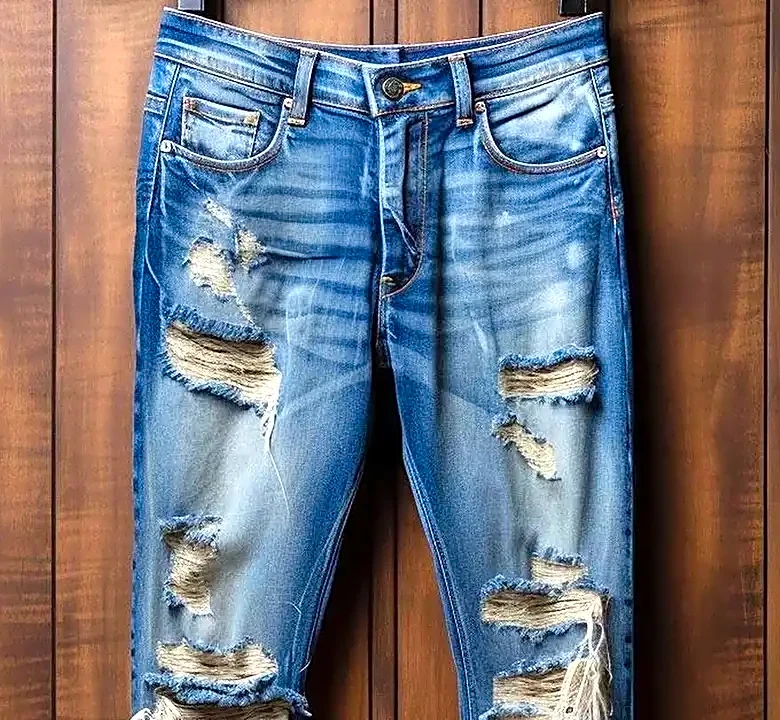






Look closely at your favorite pair of jeans. At the corners of the pockets and the base of the belt loops, you'll likely find tiny, dense patches of stitching. These are bar tacks, and they're not just decorative—they're a secret language.
What Exactly Is a Bar Tack?
A bar tack is
a series of small, tightly packed stitches used to reinforce specific points on a garment. Think of it as a miniature seatbelt for fabric. While a normal seam is a single line of thread, a bar tack is a concentration of dozens of stitches, often in a tight zigzag pattern, packed into a small area of about a quarter to a half-inch. This density is its superpower. Instead of letting force pull on a single point in a seam, a bar tack distributes that stress across a wider, heavily fortified area, drastically reducing the chances of a tear. It's a small detail that makes a huge difference in how long an item lasts.
Reading the Garment's Stress Map
Bar tacks are intentionally placed where designers anticipate the most strain. They function as a map, pointing directly to a garment's engineered weak points. On a pair of jeans, for instance, you'll find them in several key locations. The top corners of front and back pockets are bar-tacked to handle the stress of hands going in and out and the weight of your belongings. Belt loops are tacked at the top and bottom to prevent them from ripping off when a belt is pulled. Another critical spot is the bottom of the zipper fly, an area that endures constant pulling and tension. You'll also spot them on the ends of buttonholes on shirts and jackets, preventing the fabric from tearing with repeated use.
A Telltale Sign of Quality Construction
In the world of clothing, the presence of well-executed bar tacks is a quiet nod to quality. It signals that the manufacturer didn't just design the garment to look good on the rack, but engineered it to withstand real-world use. Adding these reinforcements costs time and money, so they are often one of the first things omitted in the race to produce cheaper, faster fashion. When you see them, it shows a commitment to durability and an understanding of how a garment will be worn and stressed over time. It's one of the most reliable and easy-to-spot indicators that you're holding a piece of clothing that was built to last.
What if Bar Tacks Are Missing?
The absence of bar tacks can be just as revealing as their presence. On a pair of trousers or a jacket, if you don't see reinforcement at the pocket corners or belt loops, it's a potential red flag. It suggests cost-cutting may have taken precedence over longevity. However, it's not a universal rule. Some garments, particularly classic denim, use metal rivets for the same purpose, a practice dating back to an 1873 patent. On other items, a designer might opt for a different reinforcement stitch, like a small box-X stitch, especially on fabrics that can't handle the high density of a bar tack. But in most everyday apparel like casual pants, activewear, and outerwear, a missing bar tack at a clear stress point often means the garment may fail there sooner rather than later.