




This Isn’t 1994 Anymore
When the U.S. last hosted the men's World Cup in 1994, it was an introduction. The tournament was a success that shattered attendance records, but it was presented to a country where professional soccer was dormant. Its greatest legacy was the mandated
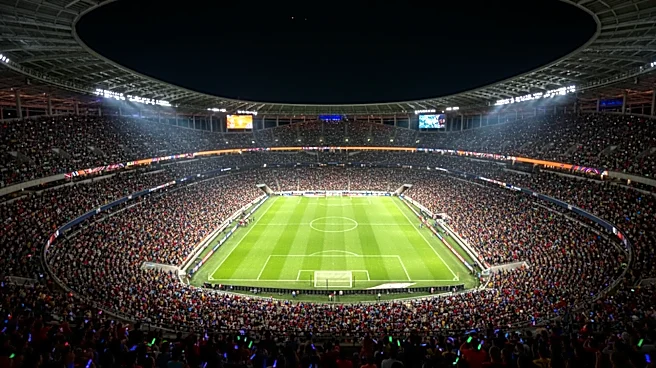
launch of Major League Soccer (MLS) in 1996. Fast forward 32 years, and the landscape is unrecognizable. The 2026 tournament isn't introducing soccer to America; it's pouring rocket fuel on an already burning fire. MLS is established, with 30 clubs, billions invested in soccer-specific stadiums, and rising franchise valuations. European leagues are an easy streaming click away, and a generation of fans grew up playing EA Sports' FIFA, creating a level of tactical fluency and player recognition that simply didn't exist before. This time, the foundation is solid.
A Viewership Explosion That Rivals the NFL
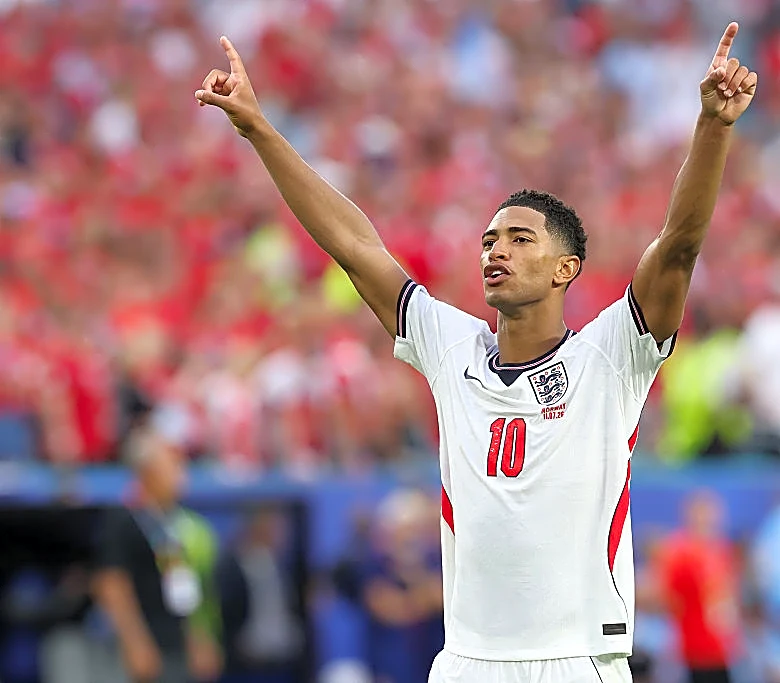
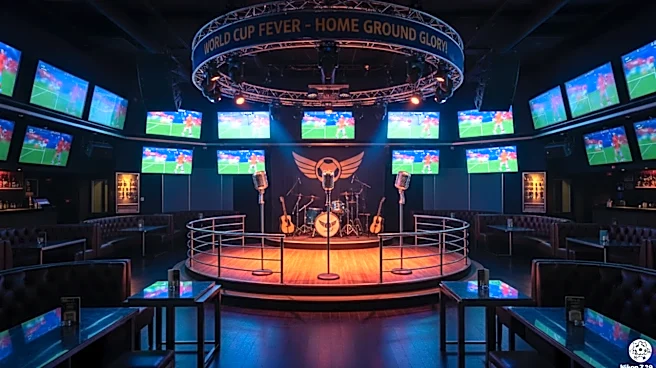
The numbers from this tournament are staggering. The U.S. team's dramatic Round of 16 loss to Belgium drew a combined 50.1 million viewers across Fox and Telemundo, setting a record for the most-watched soccer telecast in U.S. history and even beating the audience for the most recent NFL conference championship games. The quarterfinal matches continued to set records on both English and Spanish-language TV. It's not just the home team, either. The Mexico vs. England match pulled in nearly 45 million viewers. A key factor is simple access: with games held in North American time zones, fans don't have to set early morning alarms. This primetime exposure is creating a shared national experience, with watch parties spilling from bars into city streets and a quarter of Americans watching a game at a restaurant or bar.
A New, More Diverse Fan Culture
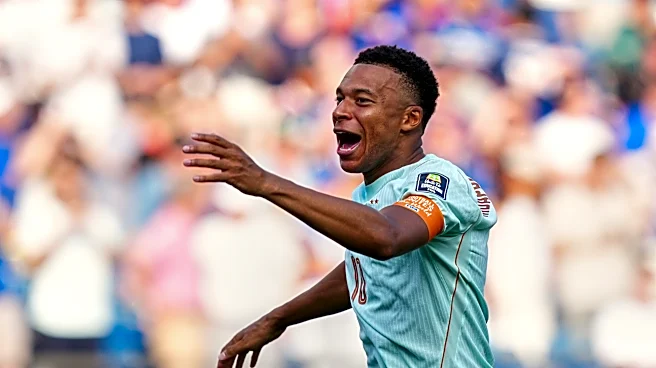
Beyond the raw numbers, the tournament is showcasing a vibrant, multicultural American fan identity. Packed bars in Brooklyn, Park Slope, and Midtown Manhattan have become a tapestry of global support, with jerseys from Haiti, Brazil, and Morocco mingling with the Stars and Stripes. This isn't just about cheering for the home team; it's about a deeper connection to the global game. The tournament has provided a stage for cultural exchange, with stories of American communities embracing visiting teams and international fans discovering a welcoming side of the U.S. that rarely makes headlines. Even after the USMNT's elimination, many American fans have continued attending games, buying shirts of other nations, and simply falling in love with the sport itself.
The Real Test Comes After the Final Whistle
For all the unprecedented excitement, the true measure of the World Cup's impact will be what happens next. The key question is whether this wave of enthusiasm can be converted into sustained, long-term support for domestic soccer. Will these new fans start showing up for their local MLS clubs? Experts see a massive opportunity for growth in youth soccer, with some estimates suggesting participation could rise dramatically as the tournament inspires a new generation. The challenge, however, remains breaking down the pay-to-play barriers that have historically made youth soccer inaccessible for many. For Major League Soccer, this is a crucial commercial audition. The league hopes the "World Cup bump" will lead to stronger viewership, higher attendance, and the ability to attract more international stars, further elevating the quality of play.