






Watch the Substitutions
The most obvious clue is often a substitution, but it’s not just about a tired player coming off. It’s about who is coming on. When a coach makes a change, they're trying to solve a problem or exploit a weakness. In basketball, if a team brings in a smaller,
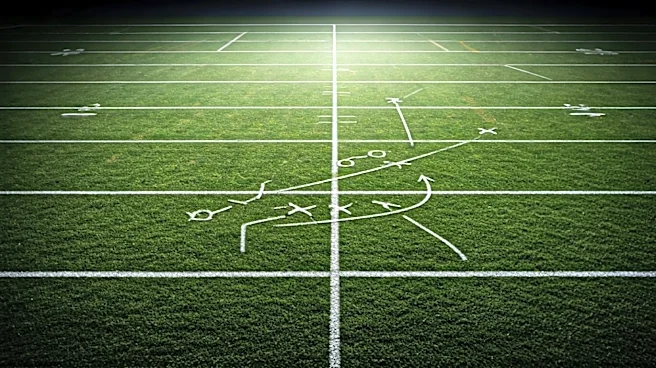
quicker lineup, they're likely trying to increase the pace and shoot more threes. In soccer, if a team leading late in the game swaps a forward for a defender, they’re “parking the bus”—fortifying their defense to protect the lead. In American football, notice the personnel packages. If the defense sends in extra defensive backs (a “dime” or “nickel” package), they are expecting a pass and are sacrificing size for speed and coverage ability. These aren't just fresh legs; they're strategic chess moves.
Look for Repositioning Without a Sub
Sometimes the biggest changes happen with the same players on the field. A player suddenly taking on a new role is a massive tell. In soccer, you might see a winger who was playing high and wide start to tuck into the midfield, creating an overload in the center of the pitch. This is often done to clog passing lanes or help win the possession battle. In basketball, a player who was guarding someone on the perimeter might suddenly drop back to protect the paint, signaling a switch to a zone-like defense to stop drives to the basket. In football, a star receiver might move from the outside into the slot, a strategic shift designed to create a favorable matchup against a slower linebacker or safety. These positional drifts are deliberate attempts to change the geometry of the game.
Identify a Change in Formation Shape
Formations aren't static; they morph throughout a game. The key is to look at the team’s overall shape when they don’t have the ball. In soccer, a team that started in an attacking 4-3-3 might drop its wingers back to form a more compact, defensive 4-5-1. This is a clear sign they're trying to become harder to break down. In American football, look at the defensive front before the snap. A team might shift from a 4-3 front (four defensive linemen) to a 3-4, often to confuse the offensive line's blocking assignments or to disguise a blitz. In basketball, a standard man-to-man defense might suddenly transform into a 2-3 zone, with players guarding areas instead of specific opponents, a common tactic to thwart a team that is dominating with one-on-one drives. Watching the team's defensive shell will tell you their intentions.
Notice the Tempo and Pace of Play
How fast or slow a team is playing is a tactical choice. A sudden change in tempo is a clear sign of a strategic adjustment. A basketball team with a lead might start using the full shot clock on every possession, deliberately slowing the game to limit the opponent's chances to score. Conversely, a team that's behind might go to a full-court press on defense, trying to speed the game up and create turnovers. In football, a team that was huddling might switch to a no-huddle offense, rushing to the line of scrimmage to prevent the defense from making substitutions or getting set. This is designed to create confusion and wear out the defense. Paying attention to the rhythm of the game can reveal a coach's plan.
Follow the Ball's Path
Where a team directs its attack says a lot about its strategy. If a soccer team has been trying to play through the middle all game and suddenly starts hitting long, diagonal passes to the opposite side of the field, they are making a “switch of play.” This is a conscious effort to move the ball from a high-pressure area to an area with fewer defenders, hoping to create a 1-on-1 matchup for their winger. In basketball, if a team repeatedly runs a pick-and-roll to attack a specific weak defender, they’ve identified a mismatch they want to exploit. The pattern of ball movement isn't random; it’s a direct reflection of where the coaching staff believes the opponent is most vulnerable.