
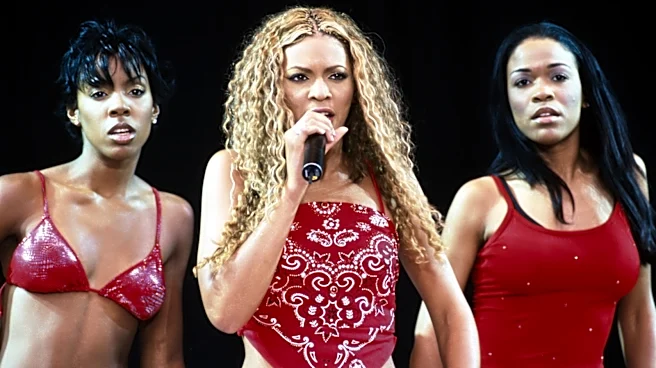

The First 'Death': The Rise of Indie Sleaze
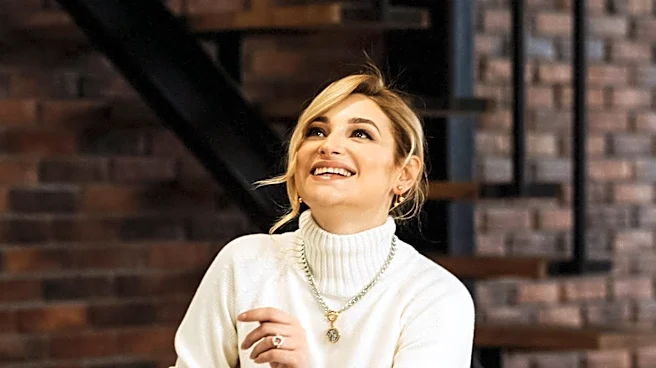
The first real challenge to Y2K's shiny futurism came in the mid-to-late 2000s with the arrival of Indie Sleaze. This aesthetic was everything Y2K was not: messy, ironic, and performatively vintage. It traded Britney’s pop optimism for the gritty sound
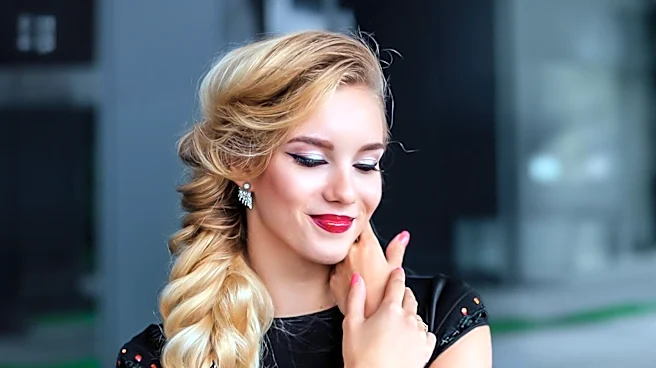
of indie rock bands. Out went the sparkly tops and in came smudged eyeliner, ripped tights, and an artfully disheveled look popularized on platforms like Tumblr. Influenced by icons like Alexa Chung, the style was a moody, analogue rejection of the previous era's polished pop glamour. It was a complete vibe shift, one that theoretically should have packed Y2K’s velour tracksuits away for good, marking them as hopelessly outdated.
The Second 'Death': The Reign of Minimalism
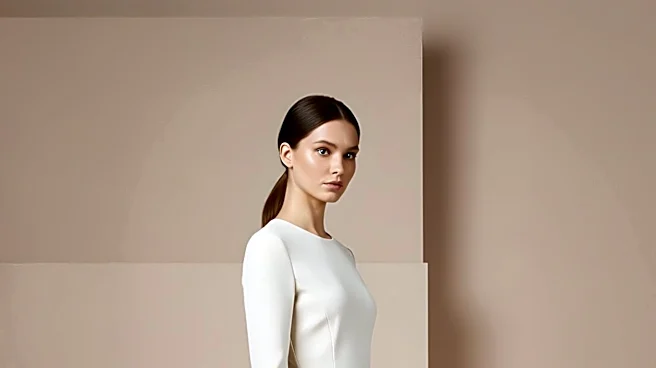
By the early 2010s, fashion reacted to the preceding chaos with a hard pivot to Minimalism. Spurred by a post-recession mood and designers like Phoebe Philo at Céline, the new ideal was clean, understated, and logo-free. Skinny jeans gave way to structured trousers, and bright colors were replaced with a muted palette of camel, grey, navy, and black. This era celebrated 'normcore' and 'less is more,' a philosophy directly at odds with Y2K’s maximalist soul. The focus was on quality craftsmanship and timeless silhouettes, making the loud, brand-heavy, and deliberately disposable nature of many Y2K pieces seem like a relic from a less sophisticated time.
The Third 'Death': The Whisper of Quiet Luxury
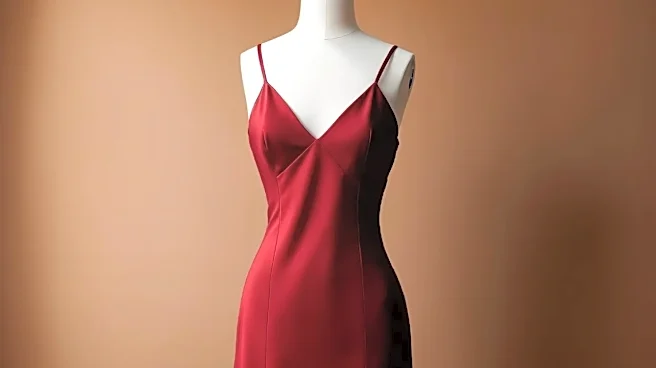
More recently, the post-pandemic world has seen the rise of 'Quiet Luxury' or 'Stealth Wealth'. This trend doubles down on minimalism but adds a layer of extreme expense and exclusivity. Think logo-free cashmere sweaters and impeccably tailored pieces that signal wealth through perfect craftsmanship rather than flashy branding. Popularized by shows like Succession, this aesthetic is the antithesis of Y2K’s often brash and accessible look. It’s about whispering, not shouting. In a world focused on investment pieces and understated elegance, the playful, sometimes tacky, and overtly synthetic fabrics of the year 2000 should have been the final nail in the coffin.
The Secret to Immortality: TikTok and Joyful Rebellion
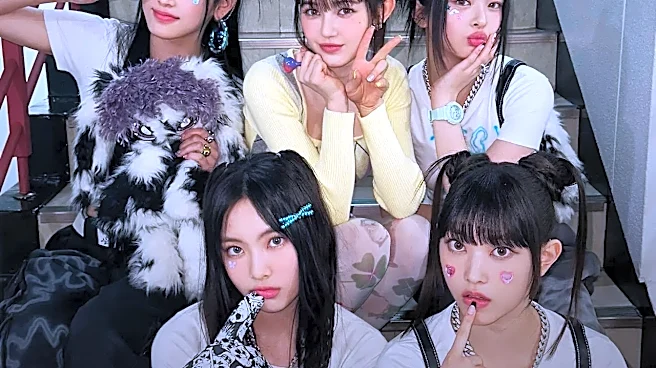
So, why did Y2K survive? The answer lies in a perfect storm of technology and emotion. The rise of TikTok created a hyper-accelerated trend cycle where aesthetics can be discovered, adopted, and remixed at lightning speed. Y2K, with its distinctive and easily replicable pieces, was perfect for this new digital stage. For Gen Z, who experienced the era through a lens of nostalgia, the style represents a kind of carefree, pre-social media optimism. It’s a rebellion against the curated perfection of the Instagram era and the sober restraint of minimalism. In a complex world, the fun, fearless, and unapologetically expressive spirit of Y2K offers a hit of dopamine—a form of joyful dressing that feels both nostalgic and refreshingly authentic.