



The Myth: A Miracle in a Bottle
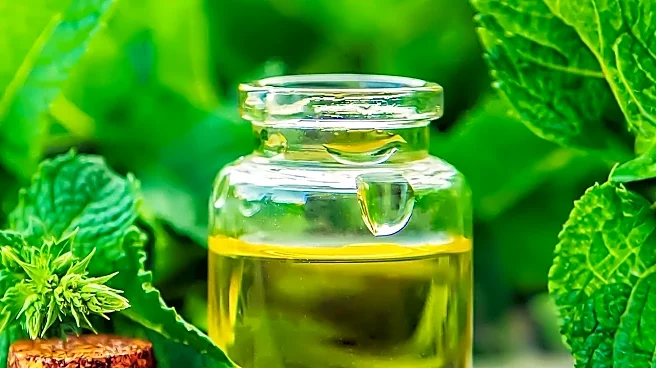
The claim circulating online is that peppermint essential oil is a powerful, all-natural cure for hair loss. Proponents suggest that a few drops mixed with a carrier oil or added to shampoo can awaken dormant follicles, prevent shedding, and stimulate
significant regrowth, sometimes even outperforming pharmaceutical options. This belief is largely fueled by a single, widely-cited animal study from 2014, where peppermint oil applied to mice did, in fact, show more prominent hair growth than saline, jojoba oil, and even minoxidil, the active ingredient in Rogaine. This one study became the basis for countless articles, posts, and product claims, positioning peppermint oil as a scientifically-backed secret weapon against thinning hair.
The Reality: A Mouse Is Not a Man
The problem with basing a human hair care routine on that 2014 study is simple: people are not mice. Animal studies are a crucial first step in research, but their results don't always translate to humans. To date, there have been no robust, large-scale clinical trials in humans that replicate these findings or prove that peppermint oil can reverse conditions like male or female pattern baldness. Dermatologists and hair loss experts are quick to point out this evidence gap. While the mouse study is promising, it is not definitive proof. The current scientific consensus describes the evidence for peppermint oil as a hair growth treatment in humans as limited or insufficient.
So, What Does It Actually Do?
This isn't to say peppermint oil does nothing. Its primary active component, menthol, is a known vasodilator, meaning it can temporarily increase blood flow when applied to the skin. The theory is that improved circulation to the scalp could deliver more oxygen and nutrients to hair follicles, creating a healthier environment for hair to grow. This mechanism is similar in principle to how treatments like minoxidil are thought to work. However, simply increasing blood flow is not a guaranteed cure for hair loss, which often involves complex genetic and hormonal factors. The main effect most users experience is the cool, tingling sensation from the menthol, which can feel refreshing and help soothe an itchy scalp. This sensation makes a product feel like it's working, but that tingle isn't necessarily translating to new growth.
The Risks of the DIY Approach
Perhaps the biggest misreading of the trend involves safety. Essential oils are extremely concentrated and potent. Applying peppermint oil directly to the scalp without proper dilution can cause significant irritation, chemical burns, redness, and allergic contact dermatitis. The standard recommendation is to heavily dilute it in a carrier oil (like coconut or jojoba oil) to a concentration of just 1-3%. Even then, a patch test is crucial to ensure you don't have a negative reaction. Furthermore, the oil should be kept away from the eyes and is not safe for use on infants or young children, as inhaling menthol can be harmful to them.
The Smart Way to Use Peppermint
If you want to incorporate peppermint oil into your routine, think of it as a scalp-supportive ingredient, not a primary treatment for hair loss. Rather than mixing your own concoction, the safest route is to use professionally formulated products, like shampoos or serums, that contain peppermint oil in a safe, effective concentration. This ensures the ingredient is properly balanced with others and is less likely to cause irritation. If you are experiencing significant or sudden hair loss, your first step should not be the wellness aisle, but a visit to a board-certified dermatologist. They can properly diagnose the cause of your hair loss and recommend evidence-based treatments that are proven to work in humans.