






The New Rules of High-Low Dressing
In the world of fashion, the old rules are fading fast. We’re seeing a monumental shift where comfort and luxury are no longer mutually exclusive. This has given rise to the tracksuit's evolution from purely functional athletic gear to a certified fashion staple.
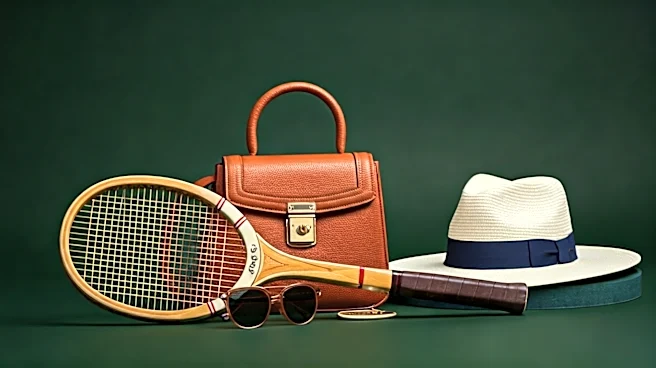
First popularized for the masses in the 1960s and '70s by brands like Adidas, the tracksuit became a cultural icon through 80s hip-hop and 90s streetwear. By the 2000s, luxury designers began reimagining it, using high-end materials and refined cuts. Today, this evolution has reached its peak. The right track jacket, crafted with intention, can now sit comfortably in contexts that were once reserved for button-downs and blazers. The most famous example of a strict dress code is Wimbledon's Royal Box, where men are required to wear a suit and tie and women are expected in smart dresses or trouser suits. While a track jacket has yet to officially grace the Royal Box, its journey from the running track to the runway shows just how much our definition of “formal” has changed.
Not Your Average Gym Jacket
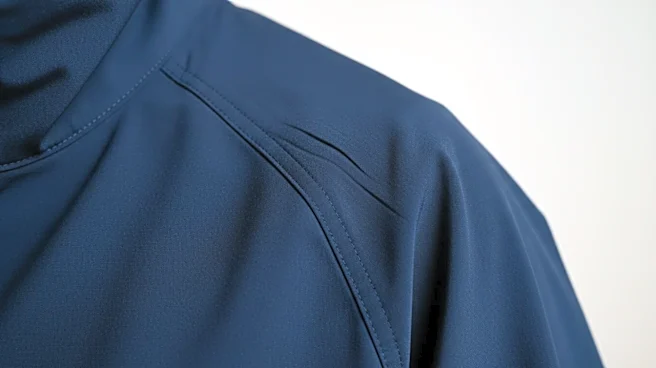
So, what separates a high-fashion archival track jacket from the one you wear to the gym? It’s all in the details. Luxury brands are diving into sportswear history, pulling inspiration from classic 70s and 80s silhouettes and elevating them with uncompromising quality. Instead of basic polyester, these jackets feature fabrics like technical silks, fine-gauge wool, and premium nylon blends that offer a sophisticated drape and feel. Hardware is another key differentiator. Zippers are substantial and smooth, often with custom pulls, and seams are meticulously finished using techniques like flatlock stitching to eliminate bulk and ensure comfort. The silhouette itself is also more considered. Rather than a purely athletic cut, these jackets often have a slightly blouson shape or a nipped-in waist, creating a more structured and polished look that nods to classic outerwear like bomber or Harrington jackets.
The Secret Language of the Pleat
The most significant—and often hidden—upgrade is the introduction of tailoring techniques, specifically the pleat. In traditional menswear, a box pleat or an inverted box pleat is often added to the back of a shirt or jacket. Its function is to provide ease of movement across the shoulders without compromising the garment's tailored shape. When applied to the back of a track jacket, this small fold of fabric works wonders. It introduces a controlled volume that allows the jacket to drape off the body with an architectural elegance, rather than simply hanging. An inverted box pleat, where the two folds of fabric meet at the center on the inside, creates a clean, flat line on the exterior while hiding the extra fabric that allows for movement. This small detail transforms the jacket’s silhouette from sporty to sculptural, giving it an expensive-looking structure that feels intentional and refined.
Archival Roots, Modern Appeal
The term "archival" points to a reverence for the past. Designers are looking back to a time when sportswear was simpler but arguably more stylish. The tracksuits of the 70s and 80s, made iconic by athletes and subcultures alike, had a certain charm and character that is often missing from today's hyper-technical performance gear. By reviving these vintage forms with modern materials and tailored details, fashion houses create a piece that feels both nostalgic and new. This blend of heritage and modernity is what gives these track jackets their power. They represent a new form of luxury, one that values craftsmanship, comfort, and cultural history in equal measure. It’s a quiet confidence that doesn’t need to shout, making it the perfect uniform for the modern style aficionado who appreciates the art of being effortlessly put-together.