



An Individual's Uniform
In team sports, the uniform signifies collective identity. In tennis, it’s the opposite. As one of the world's premier individual sports, a player's outfit is their primary canvas for self-expression. From the moment they walk on court, their clothing
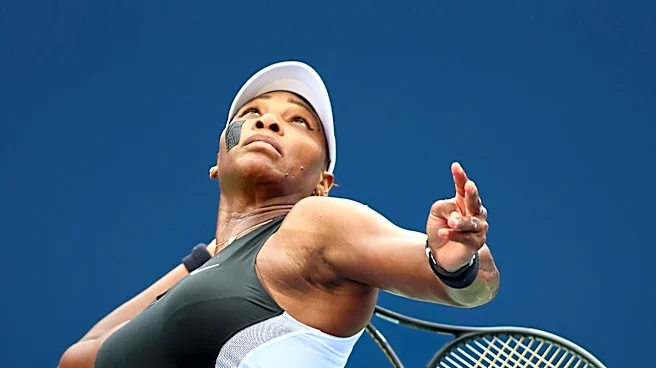
communicates a story. It can project confidence, signal a rebellious streak, or pay homage to a personal hero. Andre Agassi’s neon kits and denim shorts in the 1990s weren't just a fashion choice; they were a deliberate rejection of the sport's staid, all-white traditions and a declaration of his anti-establishment brand. More recently, Serena Williams used her apparel, from her controversial black catsuit to tutu-inspired dresses, to make powerful statements about athleticism, motherhood, and individuality, forever changing the conversation around what a female athlete can wear. This clothing is a player's personal flag in a global arena.
The Billion-Dollar Billboard
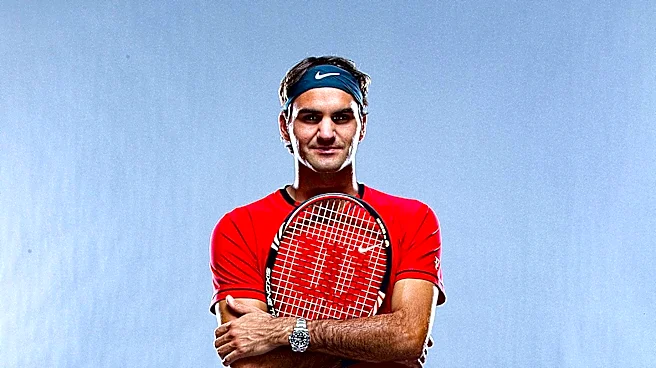
Dismissing tennis outfits as mere fashion ignores the massive commercial engine driving them. These are not just clothes; they are mobile billboards in a multi-billion dollar industry. Sponsorship deals for top players can run into the hundreds of millions of dollars. Brands like Nike, Adidas, and Uniqlo aren't just selling apparel; they are crafting narratives around their star athletes that play out over a two-week Grand Slam. A well-designed kit, worn during a championship run, can translate into a massive sales spike and immeasurable brand value. When Jannik Sinner walked on court with a custom Gucci duffel bag or Roger Federer signed a reported $300 million deal with Uniqlo, it signaled a shift where luxury fashion houses and global apparel giants see tennis players as premier ambassadors whose influence extends far beyond the court.
Psychological Armor on Court
The impact of an outfit is more than skin deep. The concept of 'enclothed cognition' suggests that the clothes we wear can significantly influence our thoughts and behavior. For a tennis player, stepping onto Centre Court in an outfit engineered for performance and style can be a powerful psychological boost. The right apparel can feel like a suit of armor, enhancing confidence and focus. Today's outfits are marvels of textile engineering, using moisture-wicking, UV-protective, and lightweight fabrics designed to provide a competitive edge. But beyond the tech, there's the aesthetic intimidation factor. Facing an opponent who looks sharp, powerful, and custom-outfitted can be subtly unsettling, adding another layer to the mental battle that defines professional tennis.
A Canvas for Cultural Legacy
The most memorable tennis outfits become part of the sport's cultural fabric, defining an era or a player's legacy. Think of Björn Borg's iconic Fila pinstripe polo and headband, which came to symbolize 1970s cool. Or Suzanne Lenglen, who scandalized Wimbledon in the 1920s with shorter skirts and sleeveless tops, revolutionizing the game by prioritizing movement and function over restrictive tradition. These moments are not just footnotes in fashion history; they are pivotal points in the evolution of the sport. They show how players can use their attire to push boundaries and create moments that resonate for decades, influencing everything from streetwear trends to the next generation of players.