





The Secret Handshake of Cinema
At the Telluride Film Festival, there are no red carpets, no official press screenings, and no prizes. Its ethos is deliberately egalitarian, attracting a passionate crowd of cinephiles who come for the pure love of film. This democratic spirit extends
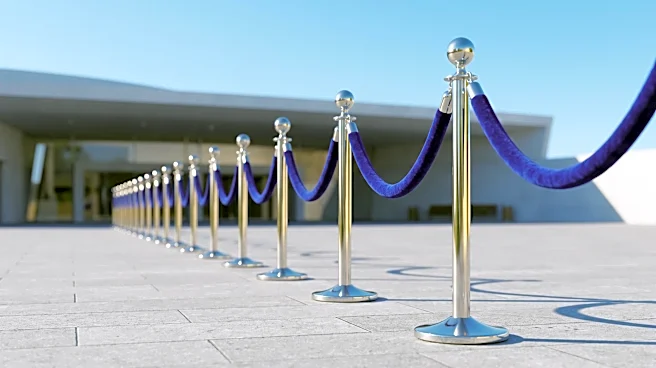
to its most famous feature: the queue. Unlike festivals driven by timed tickets or rigid schedules, Telluride operates on a system where passholders line up, often for hours, for a chance to see a film. It’s a first-come, first-served culture where a world-famous director might be standing in the same line as a college student. This shared experience is central to the festival's identity; it’s less a logistical hassle and more of a communal rite of passage for those dedicated enough to make the pilgrimage. The wait itself becomes part of “The SHOW,” as the festival calls it.
The Power of Not Knowing
One of Telluride’s most defining traditions is its secrecy. The festival intentionally withholds its lineup until the event begins, asking attendees to arrive on blind faith. This masterstroke of marketing creates a powerful sense of scarcity. Psychologically, when our access to something is limited, we perceive it as more valuable. The uncertainty fuels rampant speculation for weeks, and when the program finally drops, the buzz around a surprise world premiere ignites instant, explosive demand. That sudden awareness of a limited number of seats for a must-see movie triggers what psychologists call reactance—an urgent motivation to secure that choice before it disappears. Waiting an hour or more no longer feels like an inconvenience; it feels like a necessary strategy to avoid the fear of missing out (FOMO) on a cultural moment.
If There's a Line, It Must Be Good
The long, snaking queues at Telluride are a powerful form of social proof. In an environment with dozens of films screening simultaneously, a massive line outside a venue is the clearest possible signal: this is the film to see. This visual consensus validates the decision for those already waiting and creates a feedback loop, attracting even more people. The longer the line, the more coveted the screening becomes, transforming a simple wait into a public declaration of a film's importance. This dynamic is amplified by the close-knit festival environment where everyone is minutes away from the next venue, constantly sharing tips and debating what they’ve seen. The queue becomes a living, breathing ratings system where the currency is time, not stars.
The Community of the Queue
While the wait is born from scarcity, it blossoms into community. The time spent in line is far from empty; it's where the festival truly happens. Strangers become friends, bonding over shared cinematic passions, debating the merits of the last film they saw, and getting recommendations for the next. This social element transforms the queue from a solitary wait into a collective experience. Furthermore, the investment of time creates a sense of commitment. Having waited for a screening, attendees feel more invested, and the eventual payoff feels more earned and gratifying. The film itself is the reward, but the shared anticipation and camaraderie forged in the queue are an integral part of the festival's unique and enduring appeal, turning a potential frustration into one of its most cherished features.