




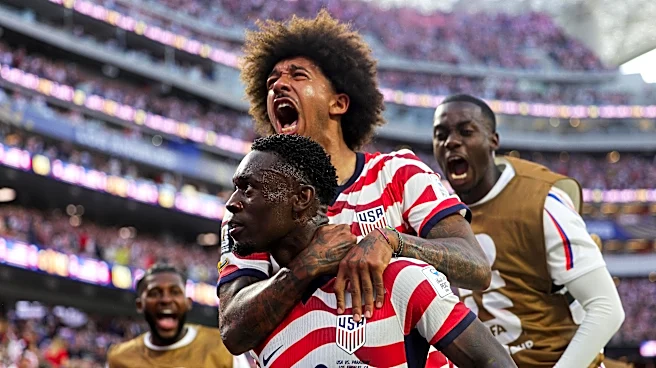
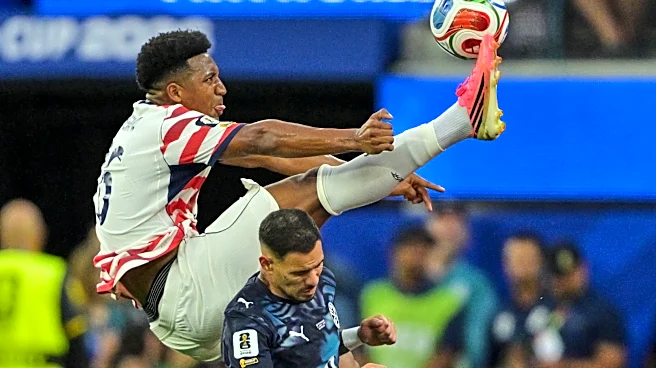


Home-Field Advantage for Style
First, the obvious: hosting matters. Unlike past tournaments watched from afar, the 2026 World Cup will unfold across 11 major U.S. cities, from New York to Los Angeles. This physical presence changes everything. The energy won't be confined to sports
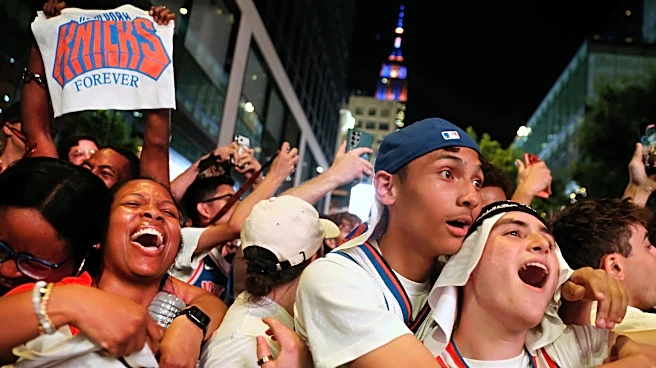
bars and living rooms; it will spill into the streets, creating a tangible, nationwide festival. Brands, designers, and influencers won't be commenting from a distance—they'll be part of the action. This proximity creates a massive opportunity for pop-up shops, local collaborations, and city-specific merchandise that goes far beyond a simple tournament logo on a t-shirt. The World Cup will become the cultural backdrop of the American summer, making it impossible for the fashion world to ignore.
The “Blokecore” Trend Is Already Here
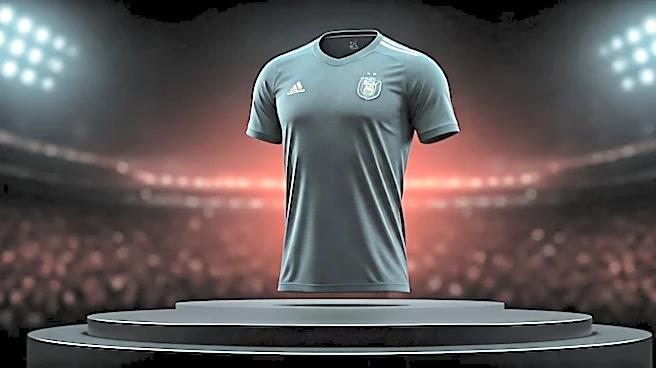
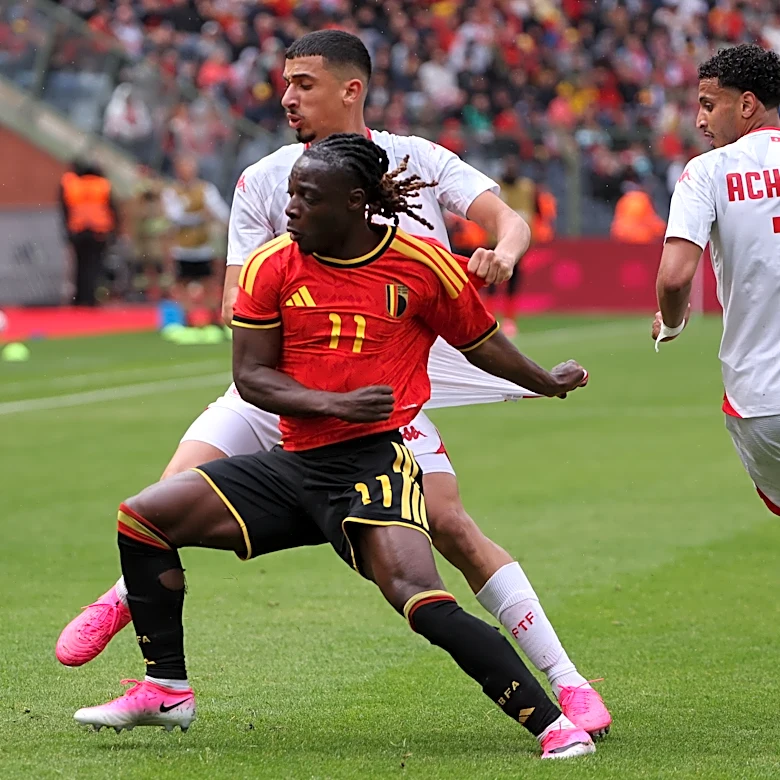
The foundation for a soccer-fashion explosion has already been laid. You’ve probably seen it, even if you don’t know the name: “blokecore.” This trend, which sees vintage and modern soccer jerseys worn as everyday fashion staples, has moved from niche online communities to mainstream streetwear. Celebrities like Bella Hadid and A$AP Rocky have been photographed in classic kits, decoupling the soccer jersey from its purely athletic context. It’s now a symbol of retro cool, a statement piece paired with jeans or baggy trousers. By 2026, this trend won’t be novel; it will be the established norm, giving brands like Adidas, Nike, and Puma a primed and receptive audience ready to embrace national team kits as high fashion.
A New Era of High-Fashion Collaboration
The era of siloed industries is over. Fashion and sports are now in a perpetual state of collaboration. We’ve seen Paris Saint-Germain become a global lifestyle brand through its partnership with Jordan, and Adidas’s collaborations with designers like Wales Bonner and Grace Wales Bonner have turned national team kits for Jamaica into coveted fashion items. The 2026 World Cup provides the largest, most commercially lucrative stage for these partnerships to level up. Expect to see luxury houses, cult streetwear labels, and major American designers creating capsule collections around the tournament. The U.S. market is too big to pass up, and the World Cup offers a singular moment to capture the attention of millions of consumers.
The Celebrity Sideline Effect
Nowhere in the world does celebrity culture drive trends like it does in the United States. When the World Cup is in Miami, Los Angeles, and New York, the sidelines won't just be for die-hard fans. They will be packed with A-list actors, musicians, and influencers. Every game becomes a red carpet, and every outfit becomes content. A photo of a celebrity wearing a custom Team USA kit or a rare vintage jersey can spark a trend in minutes. This turns players into style icons and transforms post-game analysis into fashion commentary. This uniquely American phenomenon will amplify the tournament's fashion footprint exponentially, creating viral moments that resonate far beyond the sports pages.
Soccer Finally Has American Clout
For decades, soccer was the “sport of the future” in America. That future has finally arrived. The game’s popularity has surged, particularly among young, diverse, and digitally native audiences who are deeply invested in fashion, music, and culture. The success of the MLS, the visibility of the Premier League, and the star power of players like Christian Pulisic have built a strong, knowledgeable fanbase. This isn't the 1994 World Cup, where the sport felt like a novelty to many. In 2026, soccer is an established pillar of American sports culture, and its fans are a demographic that fashion brands are desperate to connect with. They don’t just watch the game; they live the culture surrounding it.