


1. It Starts with Film-Formers
The star players in any long-lasting brow gel are 'film-formers'. These are polymer ingredients, like acrylates copolymer or PVP, that create a thin, flexible, continuous film over your brow hairs as the gel dries. This film is what physically locks every
hair in place.
2. The Role of Copolymers
You'll often see ingredients like VP/VA Copolymer or Styrene/Acrylates Copolymer on the label. Copolymers are simply polymers made from two or more different monomers. This allows formulators to fine-tune properties, creating a film that is both strong and flexible, preventing that dreaded crunchy, stiff feeling.
3. Waxes Add Structure and Repellency
Natural and synthetic waxes like Candelilla Wax or Microcrystalline Wax are crucial. They provide physical structure and bulk to the formula, helping to sculpt hairs. More importantly, they are hydrophobic (water-repelling), which adds a powerful layer of water and sweat resistance.
4. Silicones for a Smooth Barrier
Ingredients like Dimethicone are silicones that create a breathable, water-resistant barrier. They help water bead up and roll off the surface rather than penetrating the gel. This not only boosts waterproofing but also gives the gel a smooth, non-sticky feel.
5. The Science of Sweat-Proofing
Sweat-proofing is more complex than just waterproofing because sweat contains salts and oils. To combat this, formulas use advanced adhesive agents that bond strongly to the keratin in your hair, ensuring the gel doesn't dissolve or slide off when you perspire.
6. Why It Won't Flake (Usually)
Flaking happens when a formula is too rigid and cracks as your face moves. To prevent this, effective gels balance strong-hold polymers with plasticizers and flexible film-formers. This ensures the gel can move with your skin and hair without breaking apart.
7. The "Lamination Effect" Unlocked
The popular “laminated” look is achieved by gels with a slightly thicker, grippier texture. These formulas have enough tack to lift and flatten hairs against the skin, and the film-formers lock them into that sleek, uniform position for hours.
8. Clear vs. Tinted Formulations
Clear gels focus purely on hold, using the polymer and wax structure to set brows. Tinted versions incorporate long-lasting pigments, often coated to resist fading from oil and water. This provides hold and color in one step.
9. Glycerin and Humectants for Flexibility
Seeing Glycerin or Propylene Glycol on the ingredients list is a good sign. These are humectants, meaning they attract moisture. In a brow gel, they help keep the formula from becoming overly dry and brittle, contributing to a more flexible, comfortable hold.
10. Conditioning Agents Matter, Too
Many modern gels include conditioning ingredients like Panthenol (Pro-vitamin B5), Castor Oil, or Argan Oil. While the hold comes from polymers, these agents help nourish the brow hairs, making them less prone to breakage from daily styling.
11. Peptides for Healthier-Looking Brows
Some premium formulas incorporate peptides like Myristoyl Pentapeptide-17 or Biotinoyl Tripeptide-1. These are aimed at supporting the hair follicle and promoting the appearance of thicker, healthier brows over time, making the gel a treatment and styling product in one.
12. The Applicator is Part of the Tech
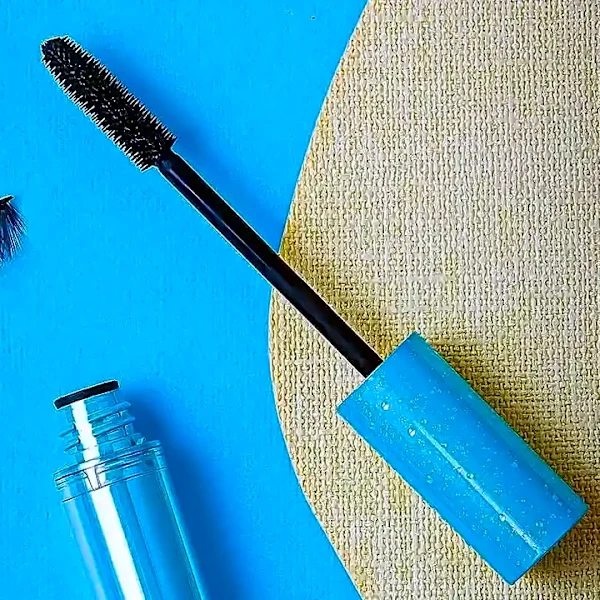
The wand is not an afterthought. Dual-sided brushes with short bristles for coating and long bristles for shaping are common. These designs ensure even product distribution from root to tip, which is essential for a complete, locked-in hold.
13. Oily Skin Can Be a Challenge
If you have oily skin, your skin’s natural sebum can break down makeup, including brow gel. Look for formulas specifically marketed as sweat-resistant or for oily skin, as they often contain more robust film-formers designed to withstand oils.
14. A Clean Canvas is Key
For maximum hold, the technology needs a clean surface to adhere to. Applying brow gel to skin that’s free of moisturizer, foundation, or natural oils allows the polymers to form a much stronger bond with your skin and hair, drastically improving wear time.
15. Layering for Ultimate Hold
For bulletproof brows, the technology can be layered. Using a waterproof brow pencil or pomade to fill in sparse areas first, then setting everything with a clear, sweat-resistant gel, creates multiple layers of hold that are much harder to disrupt.
16. Setting Sprays Create a Final Shield
Think of a makeup setting spray as the final lock. After your brow gel has dried, a light mist of setting spray can form an additional invisible film over your entire brow area, offering another layer of protection against sweat, water, and friction.
17. The Removal Process Is Different
The very ingredients that make brow gel last—polymers, waxes, and silicones—mean it won't just rinse off with water. You'll need an oil-based cleanser or a dedicated makeup remover to effectively dissolve the film and break down the formula without harsh rubbing.
18. Quick Drying for a Quick Set
These formulas are designed to dry down relatively quickly. This is a feature, not a bug. The evaporation of solvents like water or alcohol is what causes the polymers to link up and form the holding film. Working one brow at a time ensures you can style the hairs before they lock into place.