






The Uninvited Guest at the Movie Marathon
Let’s be honest: for many, Thanksgiving is a pressure cooker. It’s a day of forced smiles, unspoken tensions, and navigating the minefield of family history. Most holiday movies pretend this reality doesn’t exist, offering a fantasy of flawless families
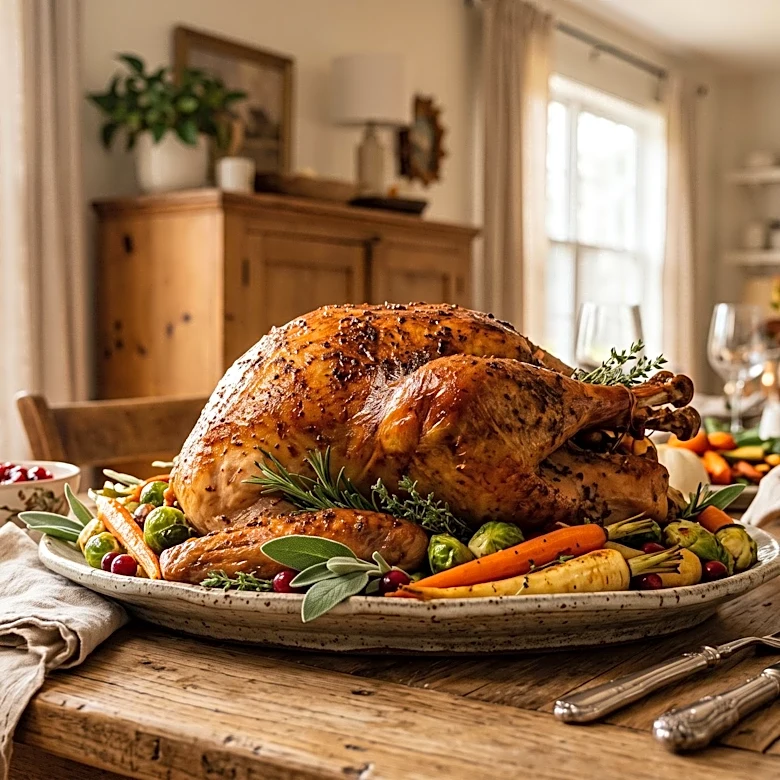
and easy resolutions. Trey Edward Shults’ 2015 debut feature, 'Krisha,' does the exact opposite. It dives headfirst into the chaos. The film follows its title character, a recovering addict in her sixties, as she returns to her estranged family for Thanksgiving dinner after a decade away. She volunteers to cook the turkey, a desperate bid to prove she’s changed, but the wary glances and awkward silences from her relatives tell a different story. This isn't a story of triumphant redemption; it's a raw, unflinching portrait of a woman unraveling, and a family unsure if they can, or should, be there to catch her.
A Masterclass in Filmed Anxiety
Shults, who wrote, directed, and even cast his own aunt (Krisha Fairchild) in the lead role, transforms his parents' suburban Texas home into a battleground of psychological warfare. The film doesn't just show you family tension; it makes you feel it. With a disorienting, percussive score and dizzying camerawork that stalks Krisha through the crowded house, Shults creates an atmosphere of pure, uncut anxiety. The camera spins, the aspect ratio changes, and the sounds of a bustling holiday gathering become an oppressive wall of noise. Every interaction is loaded with subtext, from a passive-aggressive comment by a brother-in-law to the devastating moment when Krisha's own mother, suffering from dementia, fails to recognize her. It's an immersive experience that puts you directly into the headspace of someone on the verge of collapse, making it feel more like a horror film than a family drama.
The Catharsis of Watching It All Burn Down
So why would anyone want to watch something so stressful on a holiday? The answer lies in catharsis. Watching the spectacular implosion of the family in 'Krisha' provides a strange kind of relief. Compared to the on-screen emotional carnage, your own uncle’s political rants or your cousin’s side-eye seem downright manageable. The film acts as a release valve for the very real stress the holidays can induce. It acknowledges the messiness of family in a way few films dare. Shults based the story on his own family’s experiences with addiction and loss, and that painful authenticity is what makes the film so powerful. It’s a shared nightmare that, by its very existence, reassures us that we aren't alone in our complicated family dynamics. It says the unsayable: that sometimes, coming together is what tears us apart.
An Empathetic Look at a Desperate Hope
But 'Krisha' is more than just an exercise in misery. Beneath the anxiety and impending doom is a deeply empathetic and heartbreaking story about the desperate need for connection and forgiveness. Krisha isn’t a monster; she’s a profoundly broken person trying, and failing, to put the pieces back together. Her attempt to cook the perfect Thanksgiving turkey is a tragic metaphor for her attempt to reintegrate into the family she lost. You root for her even as you know she's doomed. You feel her hope and her panic in equal measure. The film doesn't offer easy answers about addiction or forgiveness, questioning how many chances someone deserves before a family must protect itself. In doing so, it taps into the core of what the holidays are often about: a deep, often painful, yearning to belong.