


The Perfect Storm of Timing and Talent
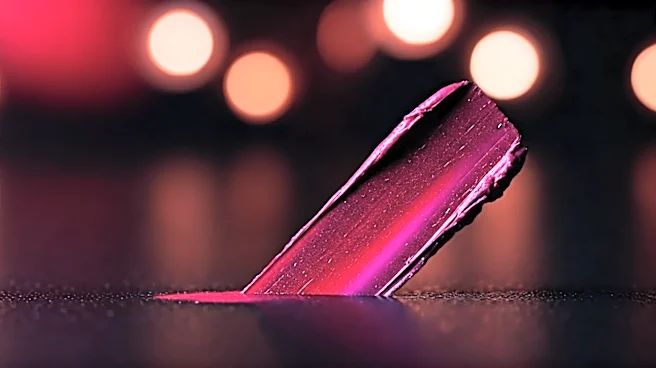
Awards season is a long and winding road, but the AMAs have a strategic advantage: timing. Typically held in November, the show lands squarely in the fourth quarter, just as the holiday party season kicks off and consumers are looking for fresh inspiration. It’s the perfect moment for a new look to capture the public’s imagination right before they head to Sephora for a New Year's Eve statement lip. Unlike the film-centric awards shows that dominate the winter and spring, the AMAs are all about music's biggest names—artists who are often younger, more experimental, and more directly plugged into youth culture. This isn't the place for subtle, timeless elegance. It's a laboratory for what's next, making it an ideal trend incubator.
A Playground for Pop's Boldest
Think about
the difference between a Best Actress nominee and a chart-topping pop star. One is often bound by the sophisticated, sometimes conservative, expectations of Hollywood prestige. The other’s entire brand is built on personality, self-expression, and pushing boundaries. The AMAs red carpet is a celebration of the latter. It’s where artists like Lizzo, Halsey, Cardi B, and Doja Cat use beauty as an extension of their music and persona. Their makeup artists aren't just trying to make them look pretty; they're co-creating a cultural moment. This environment encourages risk. A deep, vampy '90s brown, an electric blue, or a glitter-encrusted pout that might look out of place at the Golden Globes feels right at home here. For beauty editors, this makes the AMAs a goldmine of genuine, artist-driven trends, not just safe, stylist-approved looks.
Lower Stakes, Higher Creativity
There’s an unwritten hierarchy to awards shows, and the AMAs’ perceived position outside the hyper-critical bubble of the Oscars or Emmys is actually its greatest strength. The pressure is lower. The vibe is more of a party than a formal ceremony. This creative freedom is a gift to makeup artists and their celebrity clients. They can try something wild without the fear of landing on a dozen “worst-dressed” lists for eternity. A classic red lip is always safe, but the AMAs are where you’re more likely to see a graphic, two-toned lip or an ombré effect go mainstream. Makeup artist Patrick Ta, who works with stars like Gigi Hadid and Camila Cabello, has noted how different events call for different levels of experimentation. The AMAs provide the perfect canvas for a look that’s meant to be seen, talked about, and, most importantly, copied.
The Social Media Multiplier Effect
A lip color doesn't become a trend just because a celebrity wears it. It becomes a trend when it’s instantly shareable, searchable, and replicable. The AMAs audience is overwhelmingly young and digitally fluent. A standout look on the red carpet doesn't just live on television; it explodes across Instagram, TikTok, and X within seconds. Artists often post their own detailed “glam” shots, tagging their makeup artists and the products used. Within hours, beauty influencers are creating “Get the Look” tutorials, and publications are churning out articles with shoppable links. This rapid, fan-driven cycle turns a moment into a movement. For editors trying to predict what will sell and what will go viral, the AMAs offer the most direct and immediate data. It’s a real-time focus group for the future of makeup, and the verdict comes in the form of likes, shares, and screenshots.