

More Than Just Vintage
First, let's clear up a common misconception: this isn't simply about wearing second-hand clothes. While thrifting is having its own well-deserved moment, "archive fashion" operates on a different level. We're talking about culturally significant, often
rare, pieces pulled directly from a brand’s own historical collections or sourced from elite archive dealers. These aren't just old garments; they are artifacts. Think of a Jean Paul Gaultier cone bustier from the ‘90s or a tailored Alexander McQueen jacket from the early 2000s. These pieces are curated for their design integrity, historical weight, and ability to tell a story that resonates today. Brands like Burberry and Paul Smith have extensive archives that serve as a library of their own design DNA, ready to be re-contextualized.
The Stylist as Curator
The magic often happens in the hands of a stylist. Stylists are increasingly acting like fashion historians, digging into archives to find the perfect piece that adds a layer of depth to a modern look. For a celebrity’s front-row appearance or a key look in an editorial shoot, an archive garment provides instant cool and a sense of individuality that a brand-new item sometimes can’t. It signals a deeper fashion knowledge, an appreciation for the craft and history of a designer. By juxtaposing a vintage piece with current-season items, stylists create a dialogue between past and present, proving that great design is truly timeless. Platforms specializing in archival pieces have become essential resources for these industry insiders, turning the hunt for the perfect throwback into a high-stakes treasure hunt.
A Narrative on the Runway
Designers themselves are also looking inward, re-issuing or directly incorporating archival pieces into their new collections. Chopova Lowena, for example, has been known to rework deadstock fabrics from its own past seasons into new, hybrid garments. Tolu Coker often uses upcycled denim, leather, and heritage wools to ground her work in history and memory. This is more than just a creative shortcut; it's a powerful storytelling tool. By referencing their own history, designers can reinforce their brand identity, celebrate a milestone, or show the evolution of an idea. For a brand like Erdem, celebrating an anniversary might involve an “imaginary conversation” with past inspirations, weaving old ideas into a new narrative. It’s a way of saying, “This is where we came from, and it’s still part of who we are.”
The Ultimate Sustainability Statement
Perhaps the most significant driver of the archive trend is the growing demand for sustainability in fashion. In an industry notorious for its waste and fast-paced consumption cycles, using what already exists is the most powerful environmental statement one can make. London Fashion Week has increasingly become a platform for this conversation, with the British Fashion Council implementing sustainability requirements for its NEWGEN designers that encourage the use of deadstock and recycled materials. Brands like E.L.V. Denim, which creates entire collections from reclaimed materials, prove that upcycling can work at scale. Choosing an archive piece over a new one is a conscious rejection of throwaway culture, championing longevity and craftsmanship as the true measures of luxury.
From Runway to Real Life
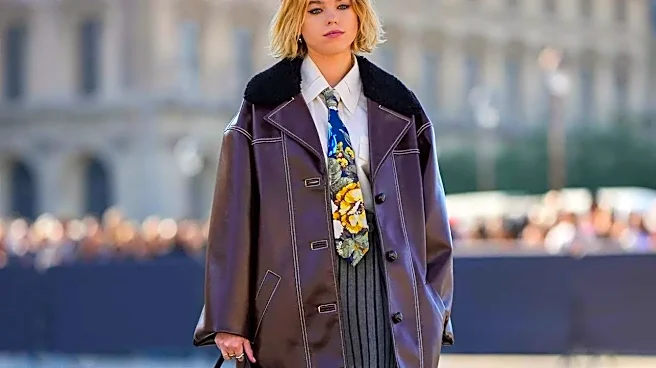
What starts at Fashion Week quickly trickles down. When a celebrity like Daisy Edgar-Jones or Adwoa Aboah wears a pre-loved or archive piece, it makes headlines and validates vintage as a legitimate style choice. It inspires everyday consumers to look at their own closets and second-hand stores differently. Initiatives like eBay's "Endless Runway" show during LFW, where runway looks are sourced from pre-loved fashion and are instantly shoppable, directly connect the high-fashion world with the circular economy. This trend reframes old clothes not as disposable, but as assets with enduring stories and style potential, waiting for their next chapter.