






1. Run a Family-Friendly Bracket
You don’t need an office pool to get competitive. Before the tournament kicks off, print out a bracket (you can find them for free online for events like Copa América or the Euros) and have everyone in the family fill one out. Keep it low-stakes and fun:
the winner could get bragging rights, choose the next movie night, or be exempt from a chore for a week. This simple step gives everyone a team to root for in every match, even if their initial favorite gets knocked out early. Tracking the results together on a chart posted on the fridge becomes a daily ritual that builds excitement throughout the tournament.
2. Host a Global Potluck
Turn each match into a culinary adventure. If the U.S. is playing Uruguay, challenge your family or guests to bring a dish inspired by either country. Think juicy burgers and BBQ for the USA, or a simple *chivito*-inspired steak sandwich for Uruguay. For a game between Italy and Spain, you could have a spread of bruschetta and tapas. This approach makes mealtime more engaging and serves as a delicious, low-pressure way to learn about the cultures of the competing nations. You can even create a “menu” for the day’s games and have the kids help research and prepare the food.
3. Create Your Own Halftime Show
The 15-minute halftime break is the perfect window for some screen-free fun. Set up a mini-goal in the backyard for a penalty kick shootout. See who can juggle a soccer ball the longest or create a simple obstacle course to dribble through. If you don't have a yard, simple indoor games work, too. A game of 'soccer charades' where you act out famous players or soccer moves can be hilarious. The point is to burn off some energy and make the event feel more participatory than just sitting on the couch.
4. Get Crafty with Team Colors
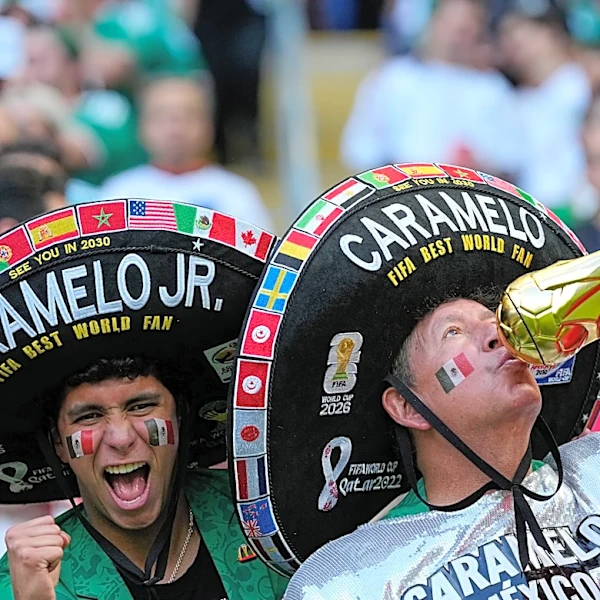
You don't need to spend a fortune on official jerseys. Get into the spirit with some simple DIY crafts. Buy a few cheap, plain t-shirts in the colors of the teams you’re supporting and use fabric markers to design your own logos or write player names on the back. Face paint is another classic, inexpensive way to show your allegiance. You can also make your own banners and flags with construction paper and markers to wave during exciting moments. This gives kids a creative outlet and makes watching the game feel like a real event.
5. Learn the Lingo and the Anthems
Part of the fun of international sports is the culture surrounding them. Before a big match, take five minutes to look up the national anthems of the competing teams on YouTube. Learning to recognize them—and maybe even humming along—adds a layer of ceremonial gravity and respect. You can also learn a few key soccer terms beyond “goal.” Teach your kids what a “nutmeg,” a “brace,” or “offsides” means. Understanding the vocabulary, even just a little, can make the game much more interesting to watch for newcomers.
6. Turn It Into a Geography Lesson
A world tournament is a world-class geography lesson waiting to happen. Keep a world map or globe nearby. Whenever a new match starts, find the two competing countries. Talk about where they are, what their capital is, or one interesting fact about them. This turns a passive viewing experience into an active learning one. You can keep a running list of all the countries you've “visited” via soccer by the end of the tournament. It’s a fantastic way to broaden horizons without anyone feeling like they’re in summer school.