


Punk: Chaos to Couture (2013)
When the Met announced a punk-themed gala, fashion purists scoffed. How could the anti-establishment howl of the Sex Pistols and The Ramones coexist with haute couture? Yet the theme proved prescient. The exhibition juxtaposed original 1970s punk garments
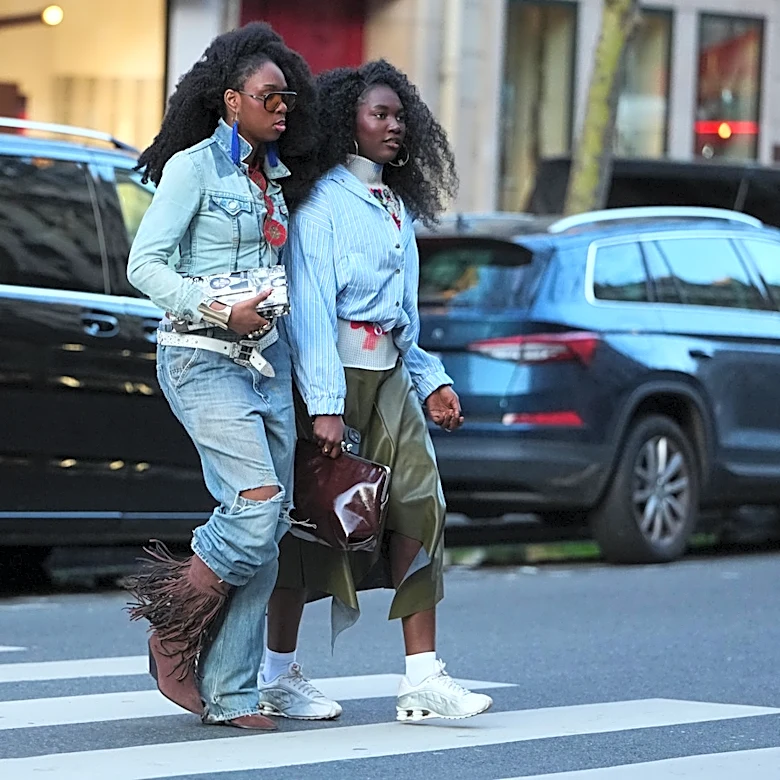
with high-fashion pieces that borrowed their DNA. What followed wasn't a fleeting trend but a lasting shift. Suddenly, the DIY signatures of punk—studs, safety pins, shredded fabrics, and leather—weren't just for subculture. Designers like Versace and Givenchy had already toyed with these elements, but the 2013 gala gave them mainstream permission. In the years after, high-end moto jackets became a staple, studded accessories flooded retail stores, and the idea of mixing polished pieces with something raw and rebellious became a go-to styling trick for everyone from street-style stars to suburban shoppers.
Manus x Machina: Fashion in an Age of Technology (2016)
Before “wearable tech” was a common phrase, the 2016 Met Gala pushed the concept into the spotlight. The theme explored the relationship between handmade and machine-made fashion, and the red carpet delivered some of the most literal interpretations to date. Claire Danes’ Zac Posen gown, a fiber-optic wonder that glowed in the dark, became an instant viral moment. Karolina Kurkova wore a Marchesa dress embedded with LED lights that changed color based on social media sentiment. While we may not all be wearing light-up ball gowns, the gala helped normalize the integration of technology and fashion. It sparked broader conversations about sustainable creation methods, like dresses made from recycled plastics, and accelerated the aesthetic appeal of tech accessories. The event acted as a bridge, making futuristic concepts feel tangible and desirable, paving the way for the smartwatches and tech-integrated fabrics that are now commonplace.
Heavenly Bodies: Fashion and the Catholic Imagination (2018)
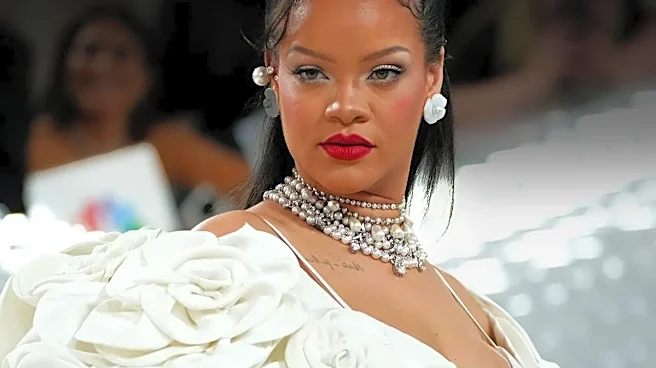
Possibly one of the most visually stunning and controversial themes, "Heavenly Bodies" examined fashion's long and complex relationship with Catholicism. With guests like Rihanna dressed as a bejeweled Pope and Zendaya as a modern-day Joan of Arc, the red carpet was a masterclass in aesthetic devotion. The exhibition itself showcased priceless papal vestments on loan from the Vatican alongside couture from designers like Versace and Dolce & Gabbana who have long been inspired by Catholic iconography. In the seasons that followed, the influence was undeniable. Religious and Renaissance art imagery appeared on everything from streetwear hoodies to luxury handbags. Gilded embroidery, cross motifs, and ethereal, angelic silhouettes became more prevalent. The theme didn't just reflect an existing design trope; it amplified it, reminding the world of the dramatic, opulent, and narrative power of religious art and inspiring a new wave of sartorial worship.
Camp: Notes on Fashion (2019)
Defined by Susan Sontag's 1964 essay, "camp" is an aesthetic of artifice, exaggeration, and a love for the unnatural. It's style over substance, irony, and humor. For many, it was a confusing theme, but for fashion, it was a declaration of freedom. The gala, co-chaired by arch-camp practitioner Lady Gaga, gave permission for extravagance and bad taste to be celebrated as good taste. In a world that was becoming increasingly serious, camp was a call for fashion to be fun again. The subsequent years saw a surge in maximalism. Feathers, over-the-top silhouettes, clashing prints, and a general sense of theatricality seeped into collections. The gala helped usher in an era where fashion didn't have to be practical or serious; it could be a joyful, ironic, and deeply personal performance. It validated the weird and the wonderful, influencing everything from runway shows to TikTok trends.