
Atmosphere Trumps Resolution Every Time
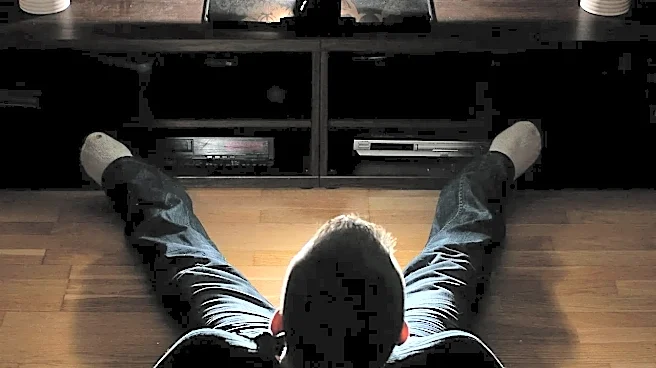
The core of a great horror film isn't the flawless clarity of the image; it's the suffocating dread it builds. A truly cinematic horror experience is about mood and feeling, not pixel count. Think about the classics. The grainy, low-budget grit of The Texas
Chain Saw Massacre makes its grimy world feel terrifyingly real, not less so. The murky, shadowed corners in a black-and-white film like Vampyr use the absence of detail to create suspense. High resolution can sometimes work against this, making things too clear and robbing the monster of its mystery. Horror thrives in what you can't quite see. Your brain, desperate to make sense of a shadowy figure or a distorted shape, will always conjure something more terrifying than the most detailed CGI creature. That psychological leap is where true fear lives, and it doesn't require an expensive TV.
Your Ears Are More Important Than Your Eyes
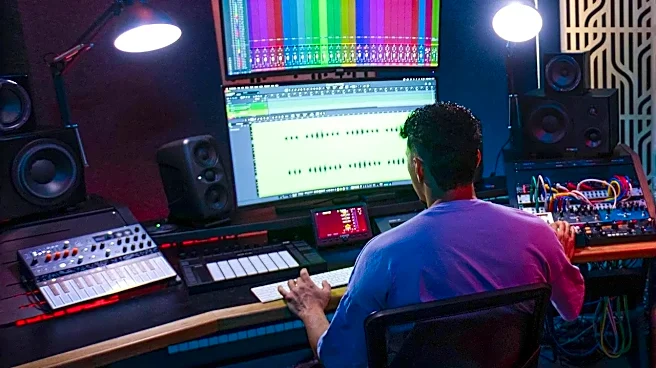
If you really want to invest in your horror experience, upgrade your sound system, not your screen. Sound design is the genre's secret weapon. A well-placed floorboard creak, an unnatural silence, or a low-frequency drone can create a physical sense of unease that visuals alone can't replicate. Films like A Quiet Place weaponize silence, making every tiny noise an earth-shattering event. In Jaws, John Williams' two-note theme told you the shark was there long before you saw it, creating unbearable anticipation. You can watch a horror movie on mute and it loses almost all its power, but if you listen to the soundtrack in a dark room, the terror remains. That's because sound bypasses our rational brain and hits us on a primal level, triggering our fight-or-flight response.
Embrace the Found-Footage Aesthetic
Some of the most effective horror of the last 25 years was deliberately made to look bad. The entire found-footage subgenre, kicked off by The Blair Witch Project, relies on the idea that shaky, low-fidelity video feels more authentic and therefore more frightening. The genius of that film wasn't just its marketing; it was that the poor visual quality made you feel like you were right there in the woods with the characters, experiencing their panic in real time. Experimental modern hits like Skinamarink push this even further, using a grainy, distorted, lo-fi approach to evoke a dreamlike, childhood nightmare state. These films prove that an unpolished look can be a powerful artistic choice, creating an intimacy and immediacy that a slick, high-budget production often lacks. Fans of the genre often embrace this imperfection because it serves the story.
The Magic Is in the Story, Not the Specs
The term "cinematic" has become mistakenly synonymous with expensive gear and high resolution. But a cinematic feeling is really about storytelling: intentional lighting, compelling characters, and a narrative that pulls you in. Many beloved horror films from the '70s and '80s were never intended to be seen in crystal-clear 4K. Their artistic identity is tied to the film stock, the grain, and the specific color palettes of their era. While a high-quality restoration can be interesting, the original, slightly imperfect version often delivers the intended atmosphere more effectively. An overly sharp image can feel more like a sterile broadcast than a romantic, moody film. The goal is to get lost in the world the director created, not to be distracted by every single pore on an actor's face.