








More Than Just 'What's Next'
To the casual observer, a fashion show is a fleeting spectacle of beautiful, strange, or provocative clothing. To a fashion forecaster, it’s a dense cloud of data points. Their job isn’t just to spot the 'it' color or a popular hemline; it's to understand
the *why* behind it. They operate as cultural detectives, using the runway as their primary source material. They aren't just looking at the clothes themselves but also the styling, the music, the set design, and even the mood of the audience. London, known for its rebellious spirit and emerging talent, is a particularly rich hunting ground. Unlike Milan, which is famous for its commercial luxury, or Paris, the home of haute couture, London offers a raw, unfiltered glimpse into the future, making it an essential stop for any serious trend agency.
Decoding the Color Palette
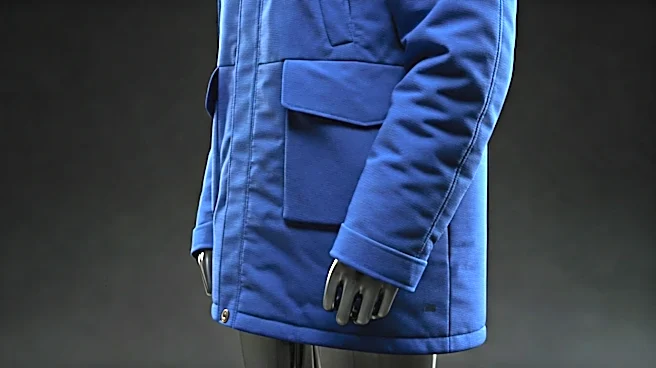
Forecasters don't just see 'blue.' They see shades—cerulean, cobalt, navy, powder—and meticulously track their prevalence. A forecasting team from an agency like WGSN or Trendstop will log every color that appears, noting its frequency, what other colors it's paired with, and on what materials it's used. Is a specific shade of green appearing in silk eveningwear, or is it showing up in utilitarian cotton jackets? The context is everything. This data is aggregated across all the shows to identify 'key colors' for the season. These chosen few will eventually be promoted to brands and manufacturers, creating a self-fulfilling prophecy as they begin to appear in everything from sweaters at Target to handbags from luxury designers.
Tracking Silhouettes and Proportions
While colors can change rapidly, shifts in silhouette are often slower, more seismic indicators of where fashion is headed. Forecasters track the evolution of shape with painstaking detail. Are shoulders becoming broader and more structured, or softer and sloped? Are waistlines rising back to the navel or dropping toward the hips? Is the dominant pant shape a wide-leg palazzo or a slim-fit cigarette? These changes often reflect broader cultural shifts. For example, a move toward oversized, comfortable silhouettes might signal a collective desire for protection and ease in uncertain times, while a return to sharp, tailored forms could suggest a renewed sense of optimism and formality. By charting these subtle movements, forecasters can predict major shifts in apparel construction years in advance.
Analyzing Materials and Mood
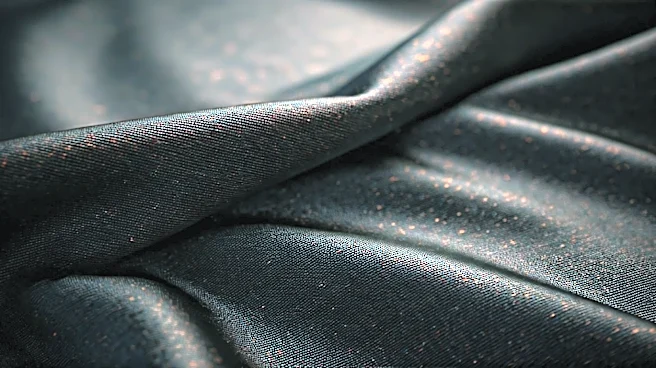
Fabric is a language, and forecasters are fluent in it. They analyze the 'hand feel' of the season—is it crisp and technical, or soft and organic? London's designers are famous for material innovation, often showcasing new sustainable textiles, recycled fabrics, or futuristic tech-infused materials. Forecasters take note of these emerging textures, which can often be more influential than a specific print or pattern. Beyond the physical, they are also tasked with capturing the intangible: the mood. Was the overall feeling of the week romantic and escapist, or was it gritty and political? This 'macro trend' analysis is crucial. They connect the aesthetic on the runway—be it punk-inspired deconstruction or ethereal, flowing dresses—to the global socio-political climate. A collection full of tough leather and hardware isn't just a style choice; it's a reflection of a cultural moment.
The Rise of Data Analytics
While the process has long been a blend of intuition and keen observation, today's forecasting is heavily augmented by data science. Teams don't just watch the shows; they scrape social media for mentions, track which looks are being shared most frequently, and use AI to analyze street style photos from outside the venues. This quantitative data provides a crucial layer of validation for their qualitative analysis. If a forecaster has a gut feeling about the return of a certain style, they can now back it up with data showing a spike in online searches or influencer engagement. It transforms what was once an art form into a data-backed science, giving brands the confidence to invest millions of dollars in inventory based on what these teams extract from a few chaotic, creative days in London.