





The Illusion of Raw Access
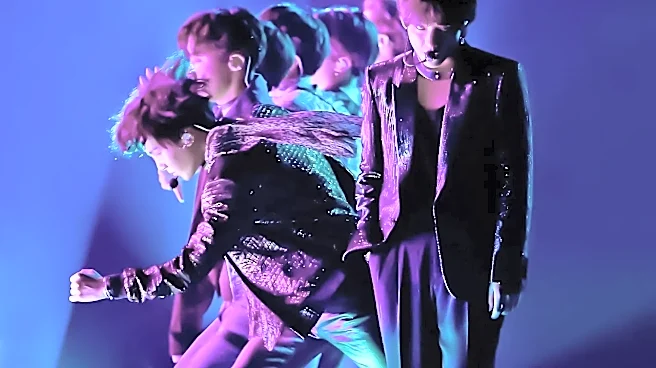
The primary power of the side-stage interview is its perceived authenticity. Unlike a polished press conference or a pre-recorded package, these moments feel spontaneous and unfiltered. When a host grabs a performer just seconds after they’ve left the stage,
breathless and sweating, the exchange feels immediate and real. This format is designed to puncture the illusion of the unflappable star. It offers fans what they crave: a glimpse of the “real” person behind the performance. The chaotic background, the slightly-too-loud audio, and the sometimes-awkward questions all contribute to a sense of unscripted intimacy. We feel like we're getting an exclusive look, a secret whispered just to us, even though it's being broadcast to millions. This manufactured intimacy is a powerful tool for building a connection between the artist and the audience, making the larger-than-life spectacle of the main event feel more human and relatable.
The Unscripted Viral Moment
Of course, where there is perceived spontaneity, there is also the risk—or opportunity—for genuine, unscripted moments that can hijack the entire narrative. A misplaced word, a genuine emotional breakdown, or a controversial statement can become the single most memorable part of an hours-long event. Organizers and broadcasters walk a fine line; they want energy, but not chaos. Yet, it's the potential for chaos that makes these interviews so compelling. An athlete’s raw cry of victory or defeat can become an iconic display of humanity. A musician's off-the-cuff political statement can ignite a firestorm of debate that completely overshadows their performance. These moments are perfectly suited for the social media age, easily clipped and shared, where they take on a life of their own and often define the public's memory of the night.
Architects of the Story
While some moments are genuinely spontaneous, many side-stage interviews are carefully orchestrated to advance a specific narrative. Producers use these segments to build storylines throughout a broadcast. Is there a rivalry between two nominated artists? A side-stage interview can amplify that tension. Is an underdog performer having a breakout night? The interview solidifies their Cinderella story. The questions asked are often not random; they are designed to elicit a particular emotional response or soundbite that fits into the larger story the show wants to tell. The host acts as a narrative guide, steering the conversation to reinforce themes, create drama, or provide a satisfying emotional arc for the viewers at home. In this way, the interview isn't just commentary on the event; it's an integral part of its construction, turning a series of performances into a cohesive and compelling story.
The Social Media Amplifier
In the modern media landscape, an event doesn't just happen on television; it unfolds in real-time on social platforms. Side-stage interviews are perfectly formatted for this reality. They are short, visually engaging, and emotionally potent—ideal for sharing on TikTok, X (formerly Twitter), and Instagram. A 30-second clip of a tearful acceptance speech or a funny, candid remark can generate more online buzz than a multi-million dollar performance. This secondary life online is crucial. It allows the narrative shaped by the interview to spread far beyond the initial broadcast audience. A single viral clip can define an artist's public image for weeks, re-contextualize their work, and ensure that the story born on the side-stage becomes the official, lasting memory of the night.