

Beyond the Midlife Uniform
Let’s be honest: most style guidance for men entering their prime is either uninspired or unrealistic. You’re told to live in a uniform of navy blazers and khaki chinos, or to invest thousands in bespoke suits. While fit is crucial and quality matters,
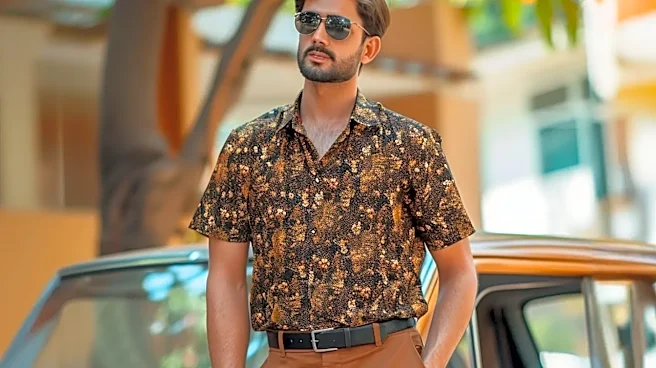
there’s a reason why two men can wear the exact same well-fitting, high-quality outfit, and one looks substantially more put-together. It isn't about brand names or spending more money. The difference is a subtle, almost subconscious element that many men overlook entirely: texture. Without it, even the best clothes can look flat, one-dimensional, and boring. Mastering this one detail is the fastest way to add visual interest and a sense of quiet luxury to your look without changing your entire style. It’s the difference between an outfit that’s simply worn and one that’s truly put together.
The Unseen Power of Texture
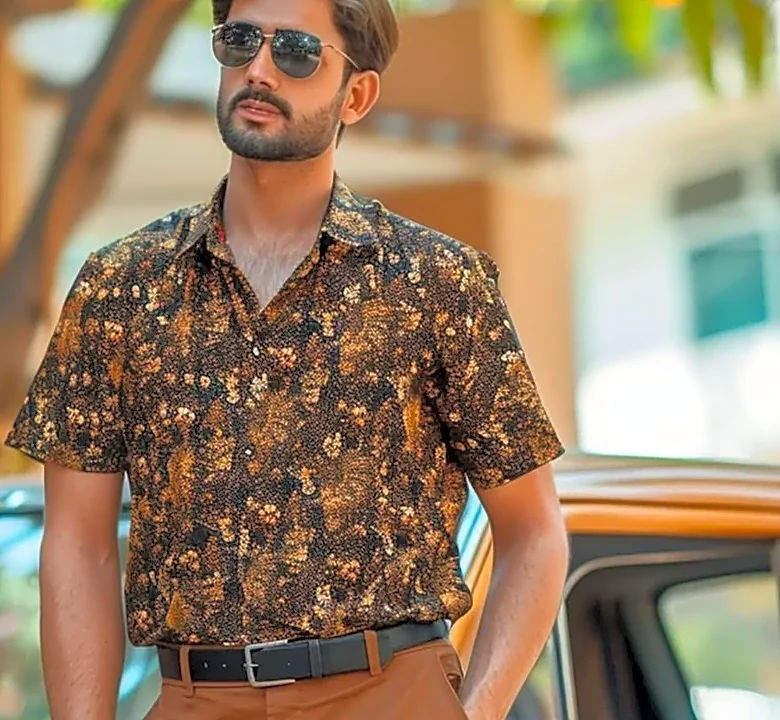
So, what is texture? It’s the physical feel and visual surface of a fabric. Think about the difference between a smooth, shiny silk tie and a rough, nubby wool one. That's texture. Or the contrast between a crisp, flat cotton shirt and a suede jacket. One is smooth and reflects light; the other is soft and absorbs it. This interplay does more for an outfit than bold colors or loud patterns ever could. Rougher textures, like tweed, denim, or corduroy, read as more casual, rugged, and relaxed. Smoother textures, like fine wool or poplin, feel more formal and sharp. By consciously mixing these, you create depth. A simple navy suit and white shirt combination is instantly elevated by swapping a standard silk tie for one made of knitted silk or textured shantung. The outfit's colors haven't changed, but the added texture makes it far more interesting to the eye.
Upgrade Your Knitwear
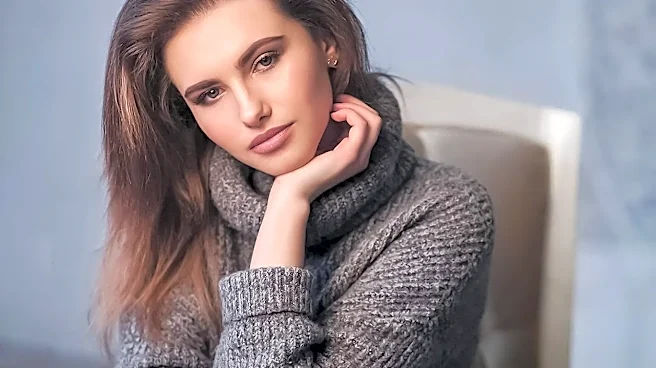
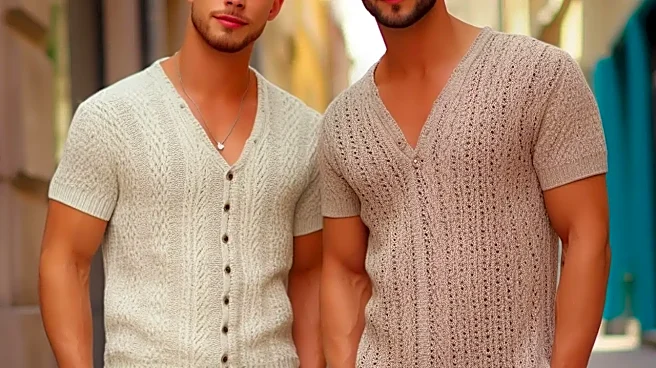
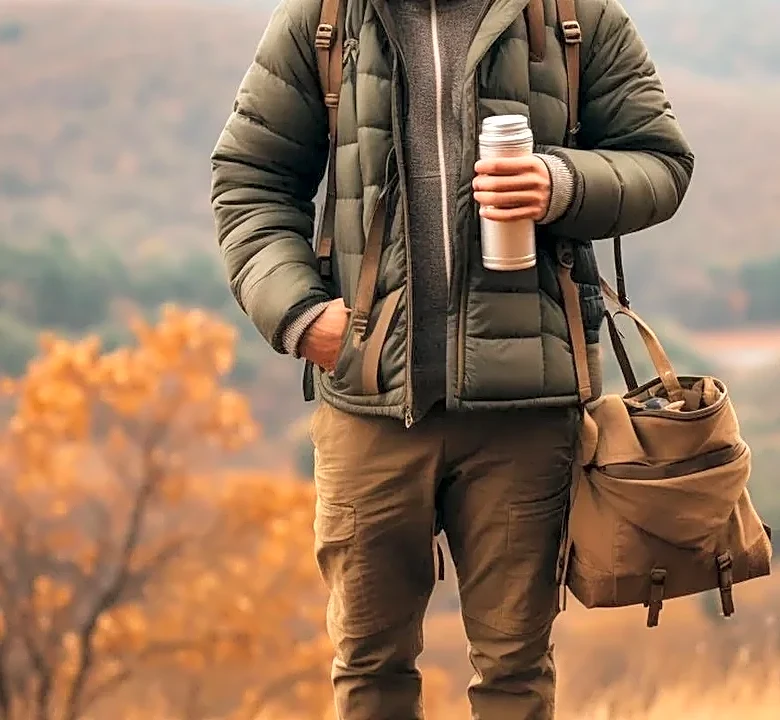
The easiest place to see texture in action is with your knitwear. Many men default to flat, basic cotton sweaters that do little for them. Upgrading here provides an immediate return. Instead of a standard crewneck, consider one in merino wool, which has a finer, smoother hand but more depth than cotton. For a more sophisticated and comfortable feel, a cashmere or wool-blend sweater adds a palpable sense of quality. A chunky knit cardigan or a sweater with a visible weave like a cable knit adds not just warmth but significant visual weight, making a simple pairing with jeans or chinos feel more deliberate and styled. This simple swap—from a flat fabric to a textured one—adds character without you having to step outside your comfort zone.
Rethink Your Shirts and Trousers
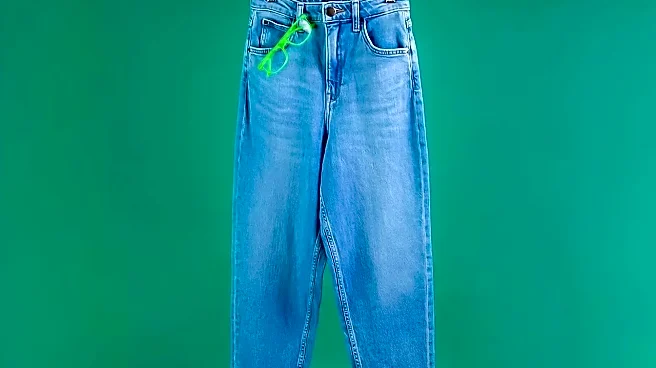
The same principle applies to your everyday staples. A standard dress shirt is often made of smooth poplin. But swapping it for an Oxford cloth button-down introduces a subtle basket-weave texture that feels more substantial and less corporate. It drapes cleanly instead of clinging, which is an advantage for any man. For more casual settings, shirts in chambray, linen, or even fine-wale corduroy provide a welcome break from flatness. The same goes for trousers. Instead of defaulting to smooth cotton chinos, consider a pair in a different fabric. Trousers made from flannel, moleskin, or corduroy have a soft, napped surface that adds richness, especially in cooler months. Even a pair of dark denim jeans offers a rugged texture that contrasts beautifully with a softer knit or a structured jacket.
Accessorize with Intention
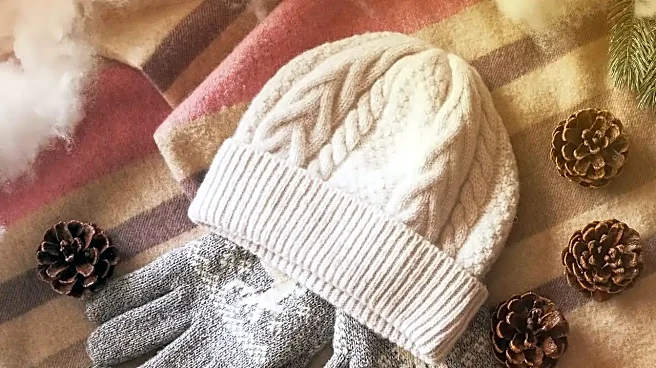
If you're not ready to invest in new jackets or trousers, accessories are a low-commitment way to experiment with texture. A knit tie is a classic move that instantly dresses down a formal suit or dresses up a casual blazer. A suede belt offers a softer, more sophisticated alternative to shiny, flat leather. In colder weather, a wool or cashmere scarf can introduce both color and a rich texture to an otherwise simple overcoat. Even your footwear choices contribute. A pair of suede loafers or chukka boots has a matte, light-absorbing quality that feels more relaxed and refined than polished leather, pairing exceptionally well with everything from jeans to flannel trousers. The goal is to avoid having an entire outfit composed of items with the same smooth, flat finish.