




The Two Faces of a Captain
To understand the debate around Cristiano Ronaldo’s captaincy, you have to understand the two leaders who exist in one body. There is the demanding, often visibly frustrated perfectionist who throws his arms up when a pass goes astray, and then there
is the inspirational figure who rallies his teammates and embodies a nation's ambition. His leadership style is a blend of autocratic and transformational; he sets impossibly high standards and expects others to follow, often through sheer force of his own work ethic. For years, this combination worked wonders. He was first handed the armband in a 2007 friendly and made the permanent captain in 2008, tasked with leading a golden generation. The logic was undeniable: the team's best player, biggest star, and most obsessive winner should be the one to wear it.
The Apex: Euro 2016 Final
The ultimate argument in favor of Ronaldo's leadership came during the Euro 2016 final. After being stretchered off with an injury just 25 minutes into the match against France, he didn't retreat. Instead, he transformed into an impassioned, gesticulating second manager on the sidelines, pacing frantically and shouting instructions alongside coach Fernando Santos. When Eder scored the winning goal, he credited Ronaldo for giving him the confidence he needed, telling him he would be the one to score. It was the perfect image of leadership: a captain whose influence transcended his own presence on the field, willing his team to its first-ever major trophy. This moment cemented his status not just as a player, but as a patriot who could inspire victory even when physically unable to contribute.
The Fracture: The 2022 World Cup
If 2016 was the peak, the 2022 World Cup in Qatar was the valley. The tournament was shrouded in controversy before it even began, following his explosive interview that ended his Manchester United career. That tension followed him to Qatar. After a heated reaction to being substituted in the group stage, then-coach Fernando Santos made the seismic decision to bench his captain for the knockout rounds. It was a purely tactical decision, Santos later claimed, but the message was clear: the team might flow better without its gravitational center. The fact that his replacement, Gonçalo Ramos, scored a hat-trick in a 6-1 win over Switzerland only fueled the narrative that Ronaldo's presence, at times, could be a limitation. The team was ultimately eliminated by Morocco in the quarterfinals, with Ronaldo once again starting on the bench.
A New Era, The Same Debate
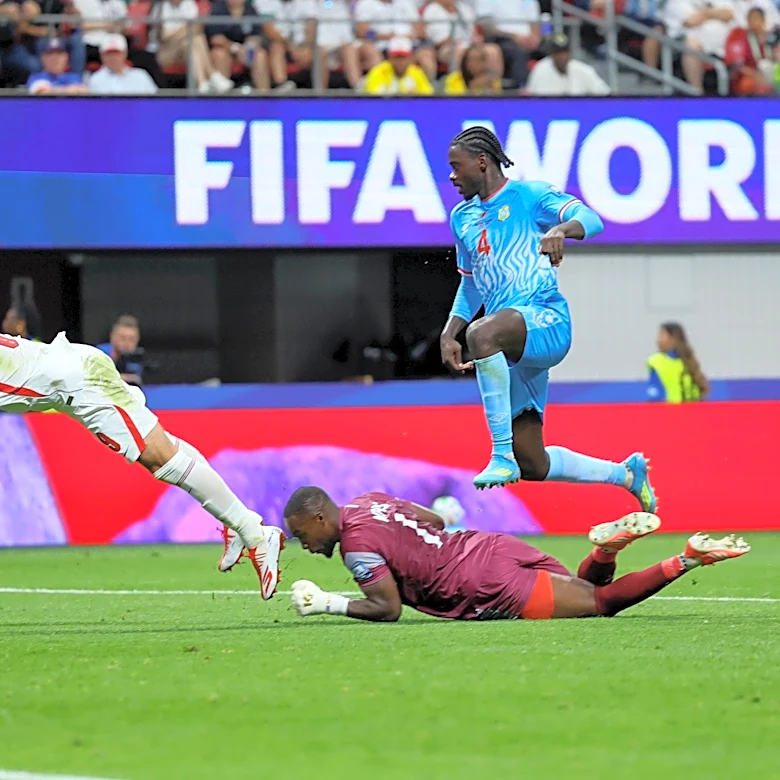
Under new manager Roberto Martinez, Ronaldo has been reinstated as the undisputed leader, with Martinez praising his commitment as "unbelievable." Yet, the debate rages on during the 2026 World Cup. After a frustrating 1-1 opening draw against DR Congo where Ronaldo had a quiet game, old criticisms resurfaced. Pundits questioned whether the team was sacrificing its fluid, dynamic young talent by building the attack around a 41-year-old striker. Some argued that the team's attack becomes too predictable, forcing crosses toward a stationary target. Teammates and the coach have pushed back against the noise, calling for unity. Martinez defended his captain, noting he is an exemplary figure who opens up spaces for others, but the poor performance reignited the central conflict of his captaincy.