







The High-Reward, Low-Risk Formula
The secret to the slasher's immortality isn't supernatural; it's economic. Horror films, and slashers in particular, are famously profitable because they operate on a simple principle: keep costs low and returns high. Unlike superhero blockbusters that
require nine-figure budgets for special effects and A-list stars, a slasher film needs little more than a compelling killer, a group of relatable victims, and a lot of suspense. The 2018 'Halloween' reboot is a perfect case study. Produced for a lean $10 million, it grossed over $259 million worldwide. That staggering return on investment is the kind of math that makes studio executives greenlight sequel after sequel. By minimizing financial risk, producers can weather a flop or two, but a hit can pay for a studio's entire slate. It's a business model that prioritizes profitability over prestige, making slashers one of Hollywood's most reliable bets.
Built-In Brand Recognition
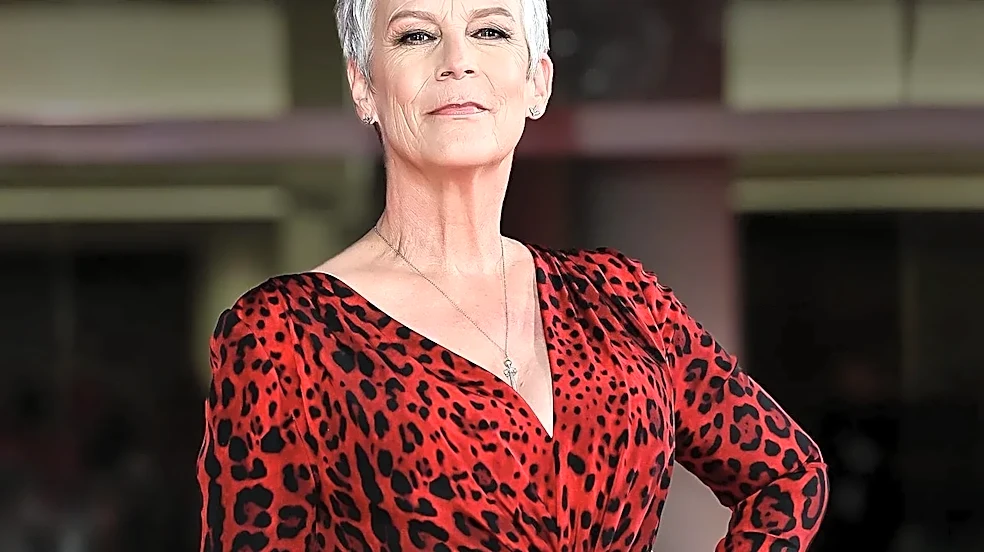
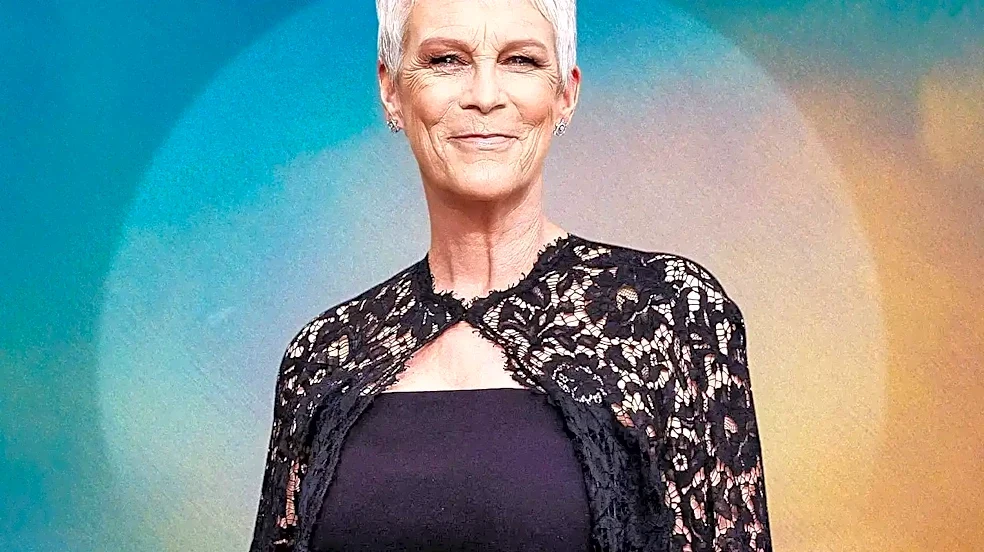
Why spend millions trying to convince an audience to care about a new story when you can reboot one they already love? Franchises like 'Halloween,' 'Scream,' and 'Friday the 13th' come with decades of built-in brand awareness. The masks of Michael Myers, Ghostface, and Jason Voorhees are instantly recognizable cultural shorthand. This saves studios a fortune in marketing. Instead of explaining a new concept from scratch, a trailer simply has to show the iconic killer and a release date. This built-in nostalgia turns a movie release into a cultural event, drawing in both original fans and a new generation curious about the legend. The return of Jamie Lee Curtis as Laurie Strode for the recent 'Halloween' trilogy wasn't just a casting choice; it was a powerful marketing tool that connected the new films directly to the beloved 1978 original, promising a satisfying conclusion to a story forty years in the making.
A Simple, Repeatable Template
The slasher genre follows a famously rigid formula: a seemingly unstoppable killer stalks and graphically murders a group of people, usually teenagers, until a 'final girl' confronts him. While critics might call this repetitive, from a business standpoint, it's a feature, not a bug. The formula is easy to understand, easy to replicate, and easy to update for contemporary audiences. Each reboot can introduce new characters, themes, and social commentary while still delivering the core thrills the audience expects. This plug-and-play structure allows new filmmakers to put their own stamp on the material without having to reinvent the wheel, as David Gordon Green did with his 'Halloween' trilogy by exploring themes of generational trauma. The simplicity of the premise—run, hide, fight—is universal, translating across cultures and generations with minimal friction.
The Ultimate Communal Experience
In an age of streaming, the question 'Why should I see this in a theater?' is more important than ever. Slasher films have a powerful answer: it's more fun to scream in a crowd. The jump scare is a communal experience, amplified by the shared gasps, nervous laughter, and collective tension of a packed auditorium. This makes horror one of the few genres that can consistently draw audiences away from their couches and to the multiplex. The desire to be scared together turns a viewing into an event, something to be experienced with friends on a Friday night. Even as studios experiment with simultaneous streaming releases, as seen with 'Halloween Kills' and 'Halloween Ends,' the genre's power to command the big screen remains a vital part of its financial success.