




A Calculated Escape to the Desert
Before it was a Vegas institution, Electric Daisy Carnival was a fixture of the Southern California underground rave scene. For years, promoter Pasquale Rotella’s Insomniac Events grew the festival into a massive gathering at the LA Coliseum. But after
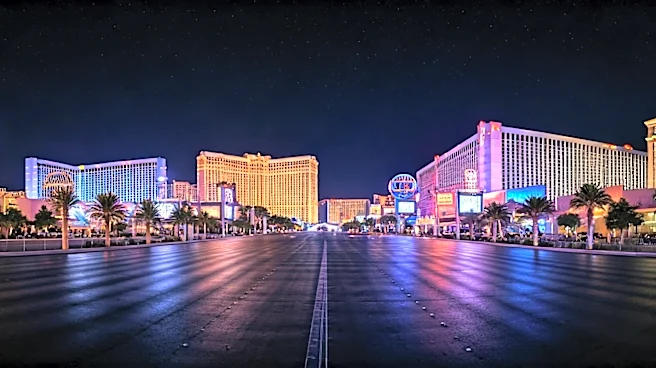
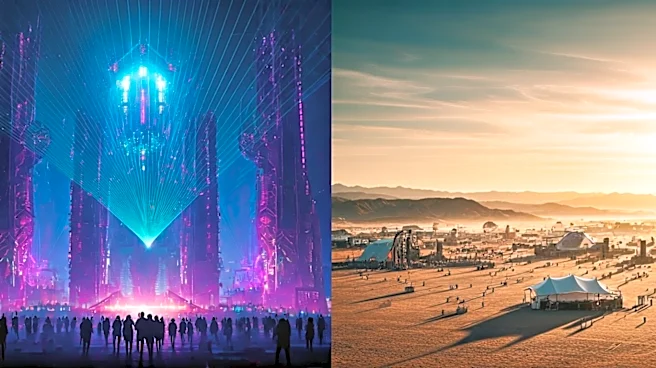
a controversial 2010 event, EDC needed a new home—one with space to grow and a more welcoming regulatory environment. Las Vegas, a city built on spectacle and adult entertainment, was the perfect, if unlikely, partner. In 2011, EDC made the move to the Las Vegas Motor Speedway. It was a gamble that paid off, transforming the festival from a one-day event into a three-day, dusk-till-dawn marathon that redefined what a music festival could be.
Building a Neon City Within a City

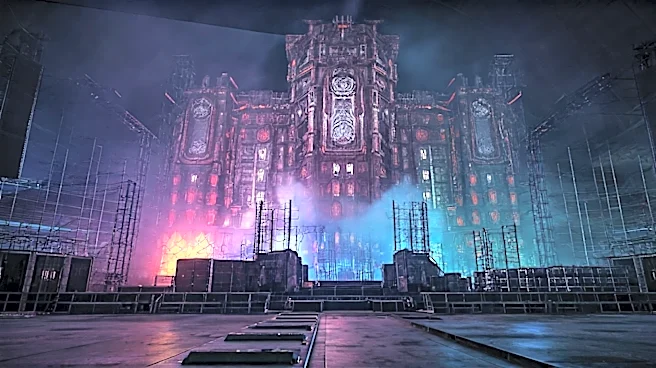
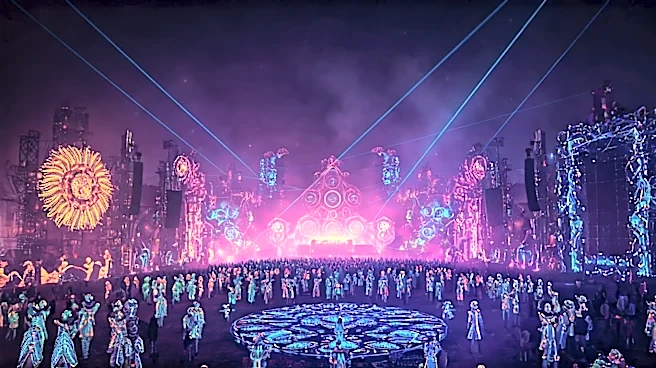
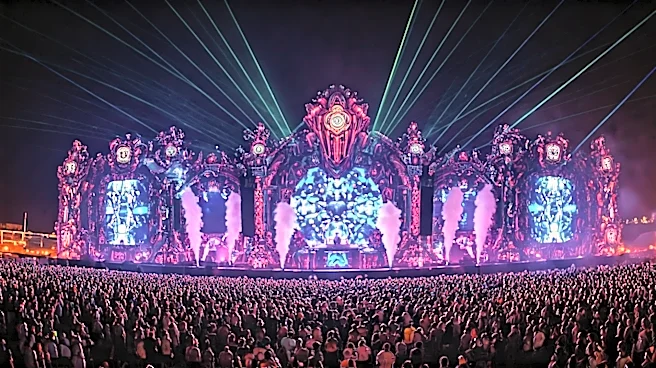
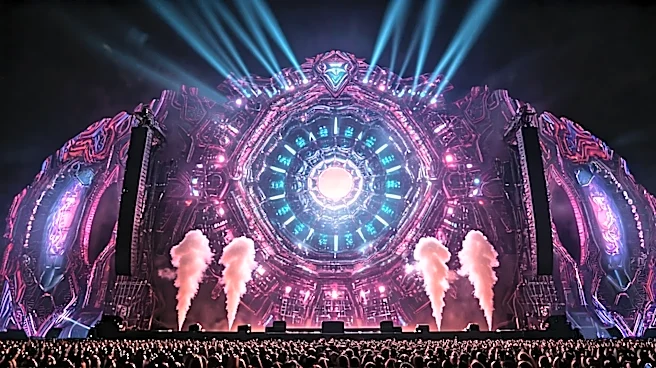
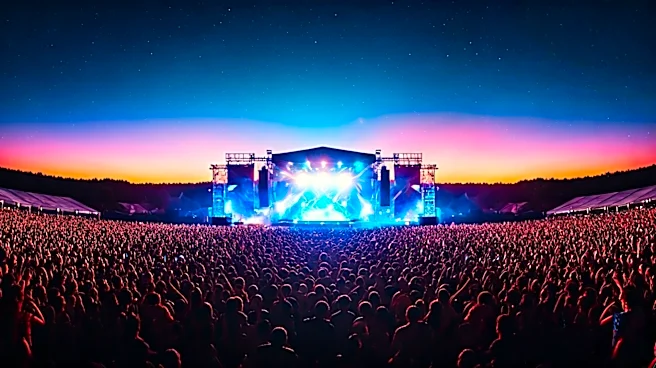
The key to EDC’s surrealism is its scale. The Las Vegas Motor Speedway, a 1,200-acre complex, is completely remade into a temporary city dedicated to electronic dance music. Imagine a landscape where eight or more colossal, multi-story stages, each a universe of sound and light, compete for your attention. Between them, a sprawling neon garden of interactive art installations glows in the dark. Full-sized carnival rides—Ferris wheels, roller coasters, and gravity-defying swings—operate all night, their lights blinking against the desert sky. Add in nightly firework displays that rival the Fourth of July and an army of costumed performers roaming the grounds, and you have an environment designed to overwhelm the senses and erase the outside world.
The Culture of the Headliner
What truly makes EDC a takeover is its people. Insomniac doesn't call them attendees; they are “Headliners.” This simple reframing fosters a sense of community and participation. For one weekend, half a million people, many clad in elaborate, self-made costumes, descend on the city. They bring with them the ethos of “PLUR”—Peace, Love, Unity, and Respect. This open-armed, judgment-free culture stands in stark contrast to the often transactional, velvet-rope vibe of the Vegas Strip. Instead of VIP bottle service, you find strangers trading “kandi” bracelets. This cultural wave is so powerful that it floods the Strip, too, with hotels, casinos, and pools becoming pre-parties and after-parties for the festival faithful. It’s an economic juggernaut, injecting hundreds of millions into the local economy, but its cultural impact is even more visible.
A 24/7 Immersive Experience
Unlike festivals that end at 11 p.m., EDC runs from sunset to sunrise. This nocturnal schedule is fundamental to its surreal quality. Festival-goers live on a reverse clock, sleeping during the blistering Vegas day and coming alive at night. The Speedway becomes their world. It’s not just a concert; it’s an alternate reality where you can get legally married at a pop-up chapel, watch a circus act, and then see the world’s biggest DJs perform before the sun peeks over the surrounding mountains. This complete immersion is the final piece of the puzzle. EDC doesn’t ask you to visit; it asks you to live inside its dream world for 72 hours, leaving you with memories that feel less like a concert you attended and more like a strange, beautiful dimension you briefly inhabited.