




The Fresh Wound of a World Cup Dream Deferred
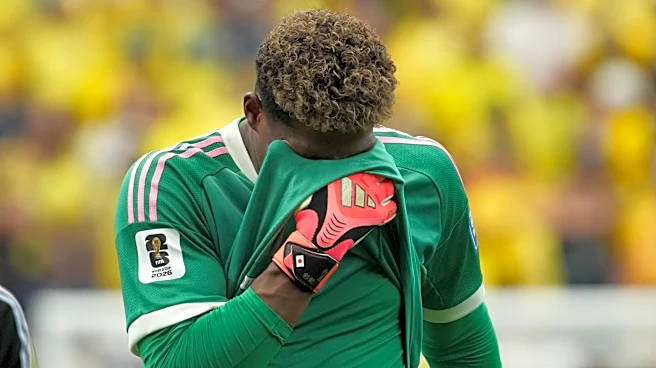
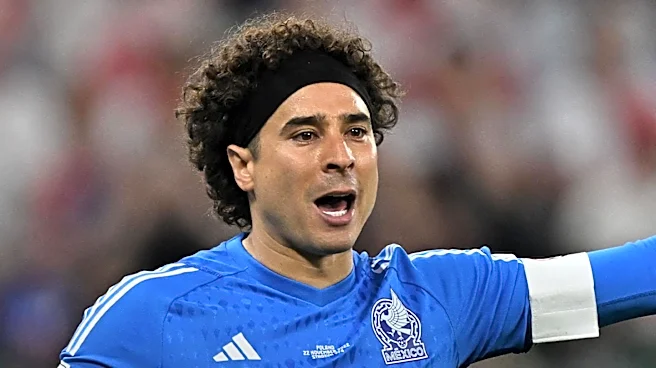
For the Mexican national team, or El Tri, the 2026 FIFA World Cup was supposed to be different. As co-hosts, playing in front of their passionate fanbase, the stage was set for a historic run. Instead, it ended in familiar heartbreak: a 3-2 loss to England
in the Round of 16 on July 5. While reaching the knockout stage was an improvement on the disastrous 2022 World Cup, where Mexico failed to advance from its group for the first time in over 40 years, the exit as a host nation felt like a crushing blow. The loss triggered an immediate fallout, with head coach Javier Aguirre resigning from his post. This latest disappointment adds to a painful narrative for El Tri, a team that perennially dominates its region but has been unable to break through the quarter-final ceiling on the world stage, a feat it last accomplished as hosts in 1986.
A Legend Returns to Steer the Ship
In a move designed to inspire a nation and restore belief, the Mexican Football Federation acted swiftly. On July 8, it announced that legendary defender Rafael Márquez would take over as the new head coach. Known as 'El Káiser,' Márquez is one of the most decorated and respected figures in Mexican soccer history, a man who captained his country in five different World Cups. His appointment is more than just a coaching change; it's a symbolic passing of the torch. Márquez, who served as an assistant under Aguirre, is now tasked with channeling the frustration of the past into a foundation for the future. He inherits a team that, despite its World Cup stumbles, won both the CONCACAF Nations League and Gold Cup in 2025, proving the talent is there. The hope is that a leader of his stature can instill the mentality needed to overcome the final hurdles.
The Power of an Unofficial Home Field
A crucial part of the pressure facing Márquez and his team comes from north of the border. Mexico’s national team enjoys a unique and powerful phenomenon: its massive fanbase in the United States. With an estimated 60 million followers in the U.S., El Tri’s games played in American stadiums often feel like home matches. Stadiums from Los Angeles to Houston transform into a sea of green, white, and red, with roaring crowds providing an atmosphere unmatched by almost any other visiting team in the world. This 'home-region' advantage is a double-edged sword. It provides a massive wave of support and significant revenue, but it also creates an intense, almost suffocating, level of expectation. For millions of Mexican-Americans, El Tri is a cultural touchstone, a passionate link to their heritage. When the team plays in the U.S., it’s not just a game; it's a celebration of identity, and the demand for victory is absolute.
The Next Chance Is Everything
With the World Cup post-mortem underway, all eyes now turn to the next major tournament on the calendar. Whether it's the 2027 Gold Cup or a potential Copa América held in the States, that tournament will serve as the first true test of the Rafael Márquez era. It represents the next, and perhaps most significant, 'home-region soccer cup chance.' After the failure of 2026, the pressure to deliver a trophy in front of those millions of U.S.-based fans will be off the charts. It won't just be about winning; it will be about demonstrating progress, showcasing a new resolve, and proving that the heartbreak of the past is not doomed to repeat itself. For Márquez, it is an opportunity to immediately validate his appointment and begin building momentum toward the 2030 World Cup. For the players, it is a chance to wash away the bitter taste of defeat and reward the unwavering faith of their supporters.