
An Unrivaled Open-Air Museum
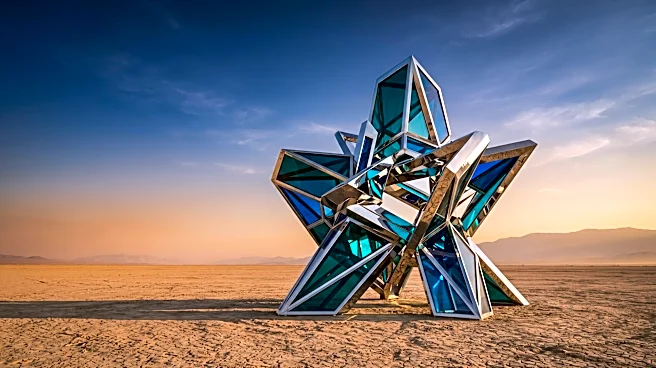
First, let's acknowledge the sheer scale of it all. For one week, a barren desert lakebed transforms into one of the largest and most ambitious art galleries on Earth. We’re not talking about paintings on a wall. We’re talking about multi-story wooden
temples, fire-breathing metal dragons with 60-foot wingspans, and kinetic sculptures that come alive with light, sound, and fire. This year’s event, themed 'Axis Mundi', centers around a massive Man Pavilion designed to look like an ancient cedar tree, with spiral staircases inviting participants inside. These aren't just objects to be observed from a distance; they are worlds to be entered, climbed, and experienced. The principle of "No Spectators" is key—everyone is encouraged to participate, to touch, and to become part of the art itself.
Art as a Communal Language
The art at Burning Man operates on a different value system. It’s guided by principles like Gifting and Decommodification, meaning nothing is for sale. Artists and their communities often pour months of effort and resources into creating these monumental works, not for profit, but as a gift to everyone who attends. This fundamentally changes the relationship between creator, art, and audience. There are no corporate sponsors or gallery fees. Instead, the entire city functions as a collaborative effort. This spirit of "Communal Effort" means the art isn't just decoration; it's the physical manifestation of the event's core philosophy—a shared project built on creativity and participation.
The Deep Playa vs. The Party
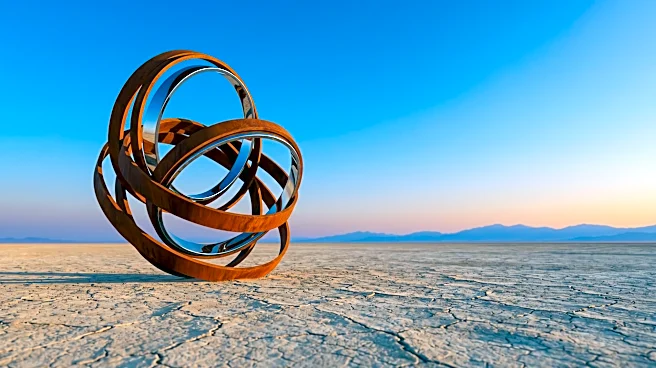
Yes, the parties are loud and legendary. But some of the most profound moments happen far from the thumping bass, out in the quiet expanse known as the 'deep playa'. This is where many of the most awe-inspiring installations stand in silence, waiting to be discovered. Biking through the desert at sunrise to stumble upon a colossal, intricate sculpture is a quasi-religious experience for many attendees. It’s in these quiet moments of discovery and contemplation that the event’s true character reveals itself. The contrast is part of the design; you can choose to dance until dawn, or you can find a quiet spot to watch the stars through the frame of a surreal, temporary masterpiece. Both are valid, but the latter often leaves a more lasting impression.
The Transformative Power of the Temple
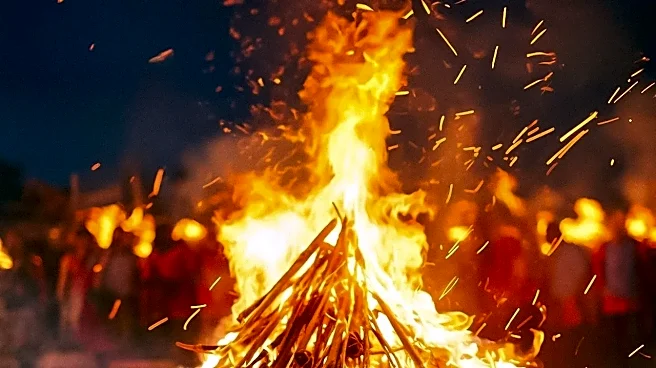
Perhaps nothing illustrates the emotional depth of Burning Man's art better than the Temple. While the burning of the Man on Saturday is a raucous, celebratory party, the burning of the Temple on Sunday is its solemn, silent counterpart. Throughout the week, people visit this often massive, ornate wooden structure to leave messages, photos, and mementos of loved ones lost, regrets they want to release, or hopes for the future. It becomes a sacred, public space for grief and catharsis. When it burns on the final night, it does so in near-total silence, as tens of thousands of people watch together. Many long-time attendees consider the Temple burn, not the party, to be the most important and transformative part of the entire event.