







The Unbroken Chain of Clichés
You know the shots because you’ve seen them a dozen times. A Juneteenth TV special begins, and we’re immediately served a grim montage: rusted shackles, a whip cracking in slow motion, maybe a tracking shot across a barren cotton field. These images are
meant to convey the gravity of chattel slavery, the institution whose end Juneteenth commemorates. The intent is understandable—to remind audiences of the brutal reality that necessitated a day of emancipation. But in practice, this visual strategy has become a crutch. It’s a somber, generic, and ultimately incomplete way to frame a holiday whose entire spirit is about what came *after* the chains were broken. By constantly returning to the iconography of bondage, these specials risk defining Blackness by its trauma, not its triumph. Juneteenth is not a holiday about the institution of slavery; it is a holiday about the moment of liberation from it. The visual focus should reflect that fundamental distinction.
Centering Pain Over Progress
The problem with this default visual symbolism is that it centers the wrong narrative. When the primary images associated with Juneteenth are ones of suffering, it subtly reframes the celebration as a memorial. It becomes a day to mourn the past rather than a day to celebrate the joy, resilience, and self-determination that blossomed in its wake. Think about it: we don't commemorate the Fourth of July with endless B-roll of Redcoats firing on Minutemen. The focus is on the fireworks, the barbecues, the celebration of independence. The same logic should apply to Juneteenth. While the history of slavery is the undeniable context, the emotional and visual core of the holiday itself is freedom. The first Juneteenths in Texas were not solemn affairs. Historical accounts describe parades, feasting, prayer, and political rallies—active expressions of newfound liberty. By fixating on the tools of oppression, current media portrayals often rob the holiday of its inherent vibrancy and its forward-looking promise.
Replacement #1: Unapologetic Black Joy
So, what should we see instead? First and foremost, unapologetic, un-contextualized Black joy. This isn't just a feeling; it’s a tangible, visual event. Show us the block parties in Fort Worth, the sprawling family reunions in Houston, the second-line parades in New Orleans. Capture the faces in the crowd, the dancing, the laughter. The act of public gathering and celebration was a radical declaration for people who were once considered property. Every cookout, every church service, every community festival is a direct descendant of that first defiant assertion of freedom. Instead of a slow-motion shot of a chain dropping, show us a teenager teaching their grandfather the latest TikTok dance at a Juneteenth picnic. This is not frivolous; it is the living, breathing embodiment of the liberty that Juneteenth represents.
Replacement #2: The Red, Black, and Green Plate
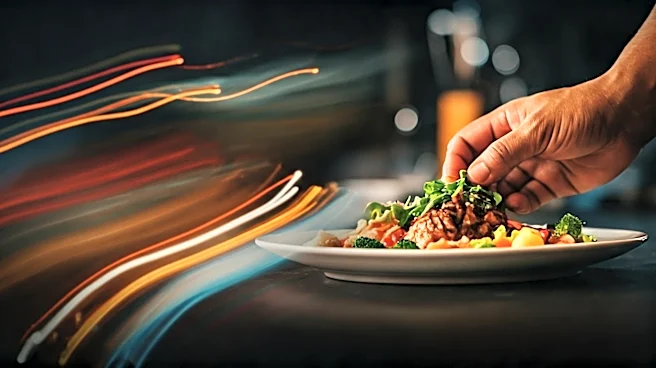
Food is a cornerstone of Juneteenth, and its visual power is immense. The tradition of red-hued foods and drinks—strawberry soda, red velvet cake, watermelon, hibiscus tea (red drink)—is deeply symbolic. The color red represents the blood shed by enslaved Africans and their descendants, but it also has roots in West African traditions where it symbolizes spiritual power and transformation. A close-up on a glass of glistening red drink is more historically and culturally potent than another shot of a cotton boll. Likewise, barbecue is central. The communal act of smoking and sharing meat speaks to community, sustenance, and the creation of new traditions in a new world. Focusing on the preparation and sharing of this food tells a story of heritage, survival, and communion.
Replacement #3: Style and Self-Possession
One of the most powerful things newly freed people did was control their own appearance. Historical accounts of early Juneteenth celebrations often mention that people would discard the rags of enslavement and dress in their finest clothes, or purchase new ones. This act of adornment was a profound statement of self-possession and identity. It was a visual rejection of being property. TV can translate this into a modern context. Showcase the vibrant fashion at Juneteenth events: the custom T-shirts, the Pan-African colors, the bold prints, and the elegant outfits. This is not vanity; it's a visual continuation of a 150-year-old tradition of using style to declare, “I am free. I am my own person. And I am here.” These images of pride and self-definition are the true visual heart of emancipation.