






The Anatomy of the Pivot
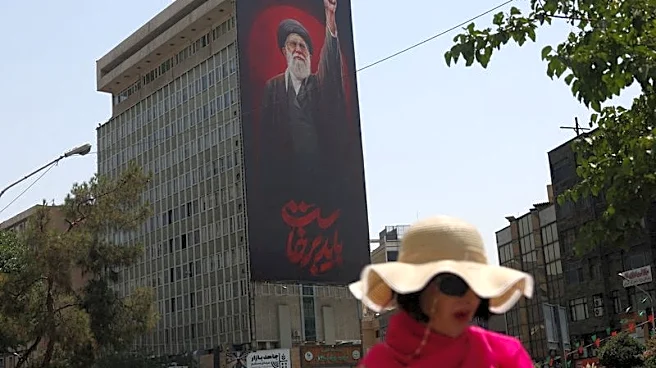
One minute, the headlines are dominated by the immense, complex machinery of a global emergency. It could be the grinding reality of a prolonged conflict, the intricate negotiations of a trade war, or the existential threat of climate change. These are stories
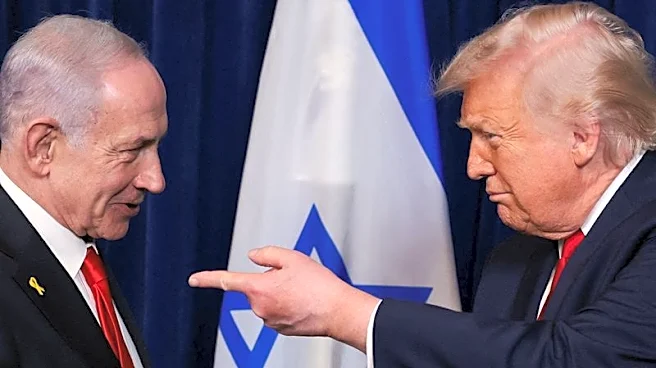
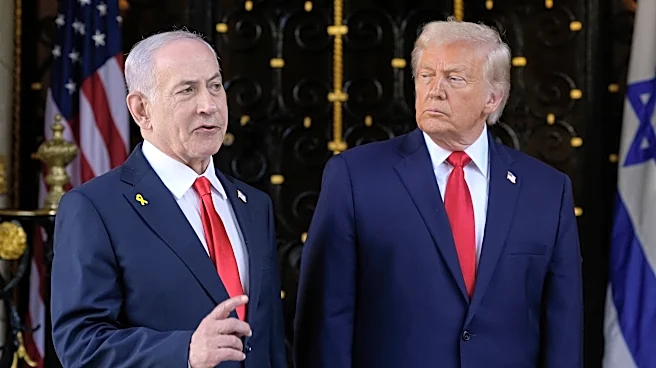
of systems, economies, and populations in peril. They are daunting and often abstract. The next minute, the narrative shifts. The focus tightens from the panoramic to the personal. Suddenly, the story is no longer about troop movements or carbon tonnage, but about a shared joke on a balcony, a firm handshake that lingers, or a joint statement praising a "great friendship." This pivot—from institutional crisis to interpersonal chemistry—is one of the most effective tools in modern public diplomacy. It takes a geopolitical problem that feels unsolvable and reframes it as a relationship between two key individuals, suggesting that their personal bond can cut through the complexity.
From Crisis to Chemistry
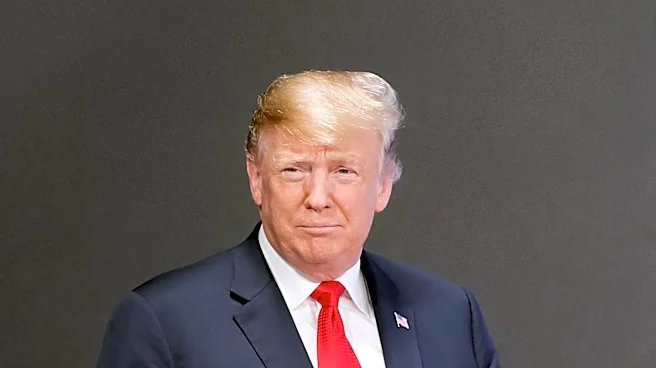
This isn't just a media quirk; it's often a deliberate strategy. Leaders themselves frequently lean into this framing. Former President Donald Trump, for instance, often touted his “great relationship” or “great chemistry” with various world leaders, from allies to adversaries. This approach turns thorny policy debates into matters of personal rapport. The goal is to humanize diplomacy and make alliances feel more tangible and trustworthy to the public. When the media reports on the personal bond between the U.S. President and a European counterpart while navigating a major conflict, it offers a comforting narrative shortcut. It implies that because the leaders get along, the underlying alliance is strong and the monumental crisis is in capable, friendly hands. This strategy works because it taps into a fundamental human desire to see relatable patterns in overwhelming events. It’s easier to root for a friendship than it is to understand the nuances of a multinational security pact.
Why the 'Buddy System' Is So Effective
The pivot to friendship serves several purposes. For leaders, it can soften their image and project a sense of collaborative control. For the public, it makes foreign affairs digestible and emotionally resonant. In an age of information overload and social media, simple, personality-driven stories have more impact than dense policy papers. This narrative can be particularly useful for papering over real and significant disagreements that exist behind the closed doors of diplomacy. When the public focus is on the body language and friendly quotes between two presidents, less attention is paid to lingering trade disputes or differences in strategic priorities. It allows governments to manage public perception by emphasizing unity and personal trust, even when institutional alignment is fraught with tension. The friendship becomes a symbol of the alliance itself, a stand-in for the complex web of shared interests and values that truly hold it together.
The Dangers of a Personalized World Stage
However, this reliance on personal relationships carries significant risks. It makes diplomacy appear fragile and overly dependent on the tenure of individual leaders. If a crucial alliance is sold to the public primarily as a friendship between two people, what happens when one or both leave office? International relations are built on institutions, treaties, and enduring national interests, not just the chemistry between presidents. Over-personalizing these relationships can obscure the deeper, more resilient structures that underpin global stability. Furthermore, it can create a dangerously simplified view of the world. A photo-op of two smiling leaders doesn't solve a refugee crisis or end a war. By focusing on the personal, the narrative pivot can distract from the lack of substantive progress on the very emergencies it purports to address. It offers the feeling of resolution without the hard-fought reality of it, leaving citizens with a comforting but ultimately misleading picture of how the world actually works.