


From Cockpits to Counter-Culture
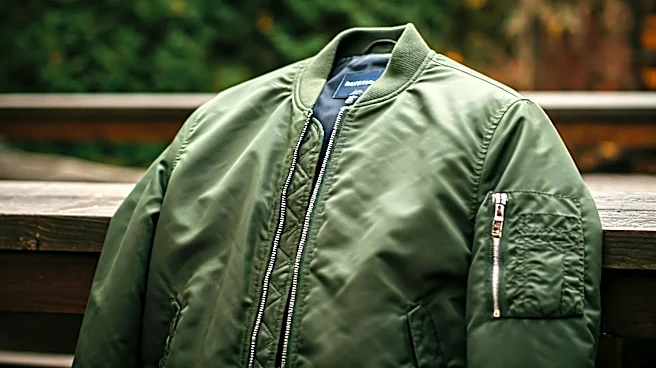
The leather jacket’s story begins not on a runway, but in the open-air cockpits of World War I fighter planes. Aviators needed durable, warm gear to survive the freezing altitudes, and heavy-duty leather 'flight jackets' were the answer. This practical
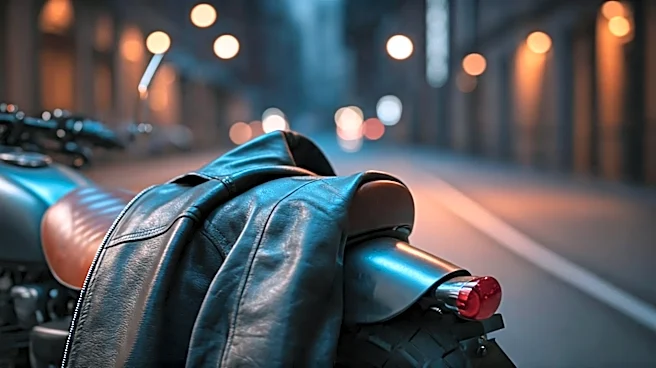
garment was built for protection, a theme that would define its future. After the wars, a different kind of warrior adopted it: the motorcyclist. In 1928, Irving Schott designed the iconic 'Perfecto' jacket, a revolutionary design with a rugged asymmetrical zipper that made it easier for bikers to lean over their machines. It was functional, tough, and quickly became synonymous with the burgeoning biker culture—a group of outsiders with their own codes and sense of identity. This fusion of military function and civilian rebellion laid the groundwork for the jacket’s evolution into a symbol.
The Uniform of the Rebel
The black leather jacket was permanently cemented as a symbol of rebellion in 1953 with Marlon Brando's portrayal of motorcycle gang leader Johnny Strabler in 'The Wild One'. Brando, clad in his Perfecto, became the archetype of the brooding, anti-establishment hero. Suddenly, the jacket wasn’t just for bikers; it was for anyone who felt like an outsider. Hollywood icons like James Dean and rock and roll pioneers like Elvis Presley quickly followed, making the jacket a staple of youth rebellion. By the 1970s, it had found a new home with The Ramones, who adopted it as their unofficial uniform, solidifying its place in the punk rock scene. Each generation found a new reason to put it on, whether to signal non-conformity, channel rock-and-roll energy, or simply to feel a little cooler. It became a visual shorthand for rejecting the status quo.
More Than Material: The Psychology of Armor
So why do we call it 'armor?' The psychology is deeply rooted in the material itself. Leather is skin, a second epidermis that is both protective and performative. Its physical properties—heavy, durable, and resilient—translate into a psychological feeling of being shielded. Studies in fashion psychology touch on 'enclothed cognition,' the idea that our clothing can influence our psychological processes. When you put on a heavy leather jacket, you might stand a little taller and feel more assertive and confident. It creates a sense of empowerment and control. The color black adds another layer, associated with power, mystery, and sophistication. This combination makes the jacket a potent tool for self-expression, a way to project an image of strength and independence even when you don't feel it. It's a declaration of individuality before you've even spoken a word.
The Modern Wardrobe's Mainstay
Today, the black leather jacket has transcended its subcultural roots. It's no longer just for punks or bikers; it's a fixture in high fashion and a versatile staple in the modern man's wardrobe. Designers continually reinterpret it, from minimalist cuts to oversized silhouettes, proving its adaptability. Celebrities and style influencers pair it with everything from distressed jeans to tailored trousers, demonstrating its range. While it's now a mass-market classic, it hasn't entirely lost its edge. Wearing one still carries a whisper of its rebellious history. It can add a dose of defiance to a polished look or provide the finishing touch to a casual outfit. The jacket's journey from a purely functional military garment to a globally recognized fashion icon is a testament to its powerful symbolism. It has become so much more than what it's made of; it's a story you can wear.