





The Players Behind the Curtain
The main players in this arrangement are the San Francisco Recreation and Park Department, the public steward of the city’s green spaces, and Another Planet Entertainment (APE), a Bay Area-based promotion company that founded and produces the festival.
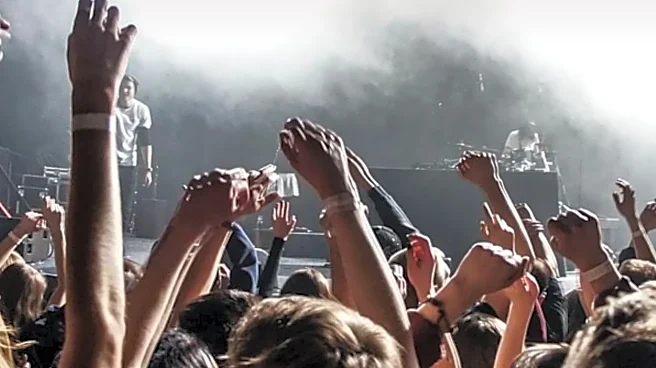
Since 2008, these two entities have operated under a long-term agreement that allows APE to transform a huge swath of the public park into a ticketed, world-class music event for one weekend a year. The city provides the iconic, sprawling venue, and in return, the promoter handles the immense logistical and financial undertaking of staging the festival, from booking talent to building stages and managing security. This symbiotic relationship aims to leverage private-sector efficiency to create a cultural event that also generates significant public benefits.
Following the Money
At its core, the partnership is a massive financial arrangement. APE pays San Francisco millions in annual permit fees for the use of the park. Since its inception, the festival has contributed over $49 million directly to the SF Recreation and Parks Department. This isn't just a simple rental fee; a portion of every ticket sold goes toward the stewardship and maintenance of the city's parks system. Recent contract extensions and additional concert agreements have further defined these terms, with APE committing to minimum fees of over $1.5 million for newer, smaller concert weekends, ensuring the city a guaranteed revenue stream. This direct funding helps the parks department pay for gardeners, maintain facilities like the Polo Field which hosts the main stage, and support recreational programs across the city.
A Billion-Dollar Boost for the City
The financial benefits extend far beyond direct payments to the parks department. Outside Lands acts as a major tourism driver for San Francisco. Since it began, the festival has generated over $1.3 billion in economic impact for the Bay Area. A 2025 study found that a single year's festival generated $97.5 million in economic benefit, supporting the equivalent of 485 full-time jobs and prompting nearly 25,000 hotel room nights. This spending ripples through the local economy, benefiting restaurants, retailers, and transportation providers. The agreement also includes other community benefits, such as funding for projects in the surrounding Richmond and Sunset neighborhoods and the production of several free public concerts in downtown areas like Civic Center Plaza, intended to help revitalize the city's core.
The Price of the Party
Despite the clear financial upside, the partnership is not without its critics and drawbacks. For residents of the adjacent neighborhoods, the festival means weeks of disruption. Large sections of Golden Gate Park are closed off for setup and teardown, limiting public access. During the event weekend, neighbors contend with significant traffic congestion, a swarm of rideshare vehicles, parking nightmares, noise, and trash. Some residents feel the commercialization of public land has gone too far, turning a community resource into a private, high-priced venue. While organizers have implemented mitigation measures like community hotlines and enhanced cleanup crews, the tension between the festival's economic benefits and its impact on neighborhood quality of life remains a recurring debate.