







A Legacy Forged in Leather
To understand Fendi, you have to start with its origins as a purveyor of fine leather goods and furs in Rome. Founded by Adele and Edoardo Fendi, the house built its reputation on unparalleled craftsmanship long before it became a global fashion giant.
Techniques like the 'Selleria' stitch, a distinctive hand-sewn detail borrowed from master saddlers, became a quiet signature of quality and durability. This foundation wasn't just about making beautiful objects; it was about mastering a difficult and unforgiving material. Working with leather requires an intimate knowledge of structure, tension, and weight. It teaches a respect for the raw material and a precision that can't be faked. This disciplined approach, perfected over decades by artisans in the Fendi ateliers, created a specific 'grammar' of design that would eventually influence everything the house produced.
Tailoring with a Leatherworker's Sensibility
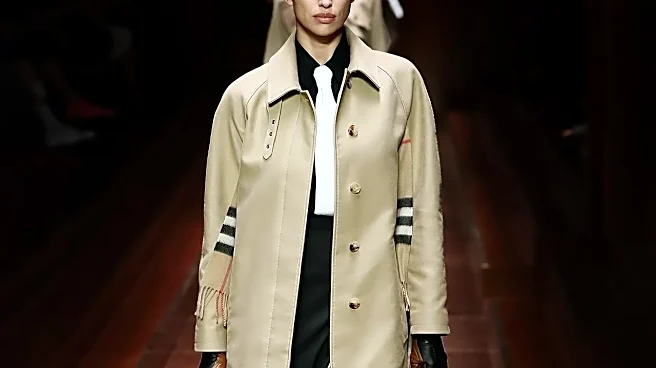
This is where the magic truly happens. When a designer is trained to sculpt leather, they think about fabric differently. They don't just drape it; they engineer it. This is evident in the sharp, architectural silhouettes seen in Fendi's ready-to-wear collections under creative directors from Karl Lagerfeld to Kim Jones. A wool blazer might have a shoulder line that is impossibly crisp, or a coat might feature a cinched waist with a sculptural flare that holds its shape as the wearer moves. These are not typical tailoring feats. They are the result of a mindset that understands how to give structure to soft materials, much in the same way one would mold a piece of Cuoio Romano leather. This expertise allows for garments that look both powerful and effortless, possessing a structural integrity that often feels more like light architecture than simple clothing.
The Alchemy of Texture and Treatment
Fendi's obsession with materiality extends far beyond just leather. The house is known for its relentless innovation, constantly developing new ways to treat fabrics to achieve unique textures and finishes. This experimental spirit is a direct descendant of its work with fur and leather, where techniques for shaving, dyeing, and bonding were pioneered to make heavy materials feel lightweight and modern. In recent collections, this has translated into treating suede until it's as supple as cashmere, bonding mink to the interior of a jacket for hidden luxury, or laser-cutting suede with the precision of lace. The house also explores advanced, sustainable materials, such as blending denim with strong, plant-derived Abacá banana fibers, showcasing a commitment to elevating everyday fabrics into the realm of luxury through technical skill. It’s a form of material alchemy, where wool, silk, or even innovative new textiles are manipulated to take on new and unexpected properties.
Details That Carry the Signature
Finally, the connection is made explicit through the details. The 'Selleria' stitch, once exclusive to handbags, now appears as a subtle, elegant embellishment on the lapel of a coat or the cuff of a sleeve, a nod to the brand's heritage. The hardware on a garment—a clasp on a belt, a zipper pull—is often designed with the same heft and precision as the closure on a Peekaboo bag. These are not just decorative elements; they are a consistent design language that unifies the bags, the shoes, and the clothing. They remind the wearer that the same hands and the same philosophy of excellence are at play, whether the final product is a timeless handbag or a perfectly constructed blouse. This through-line ensures that even without a logo, the piece is recognizably Fendi, defined by a deep-seated culture of craft.