


The Blueprint: More Than Just a Consultation
The journey to a custom wig doesn't start with sewing; it begins with a detailed conversation. A proper consultation is an in-depth process where a specialist works to understand your needs and desires. This involves taking precise head measurements to ensure
the wig cap fits perfectly, which is crucial for comfort and a natural appearance. The consultant will also discuss hair type, density, length, color, and your lifestyle to design a piece that is truly yours. This isn't a quick chat; it's the foundational step where the blueprint for your unique piece is meticulously drafted. This collaborative planning ensures the final product aligns perfectly with your vision, but it requires dedicated time from both you and the artist before any physical work can begin.
Sourcing the Perfect Hair
Once your specifications are set, the hunt for the right materials begins. High-quality, ethically sourced human hair is not an off-the-shelf product. Wig makers often need to source hair from various global suppliers to find the perfect match for your required texture, color, and length. This process can be affected by supply chain disruptions, geopolitical tensions, and regulations, which can create scarcity and extend timelines. Finding a consistent, high-grade bundle of hair that meets the exact specifications for a single custom piece is a challenge that requires patience and a robust network of trusted suppliers. This step alone can take weeks, especially for rare colors or textures.
The Art of Ventilation: A Labor of Love
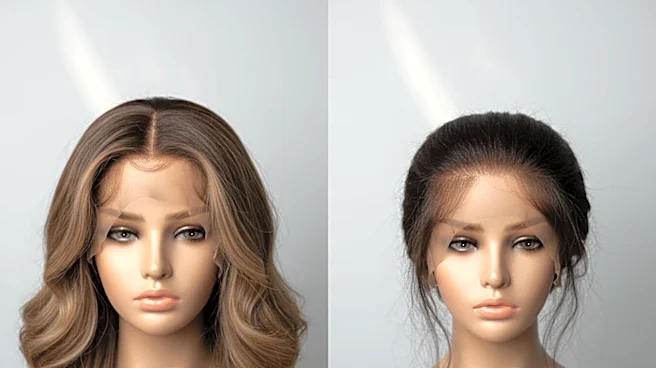
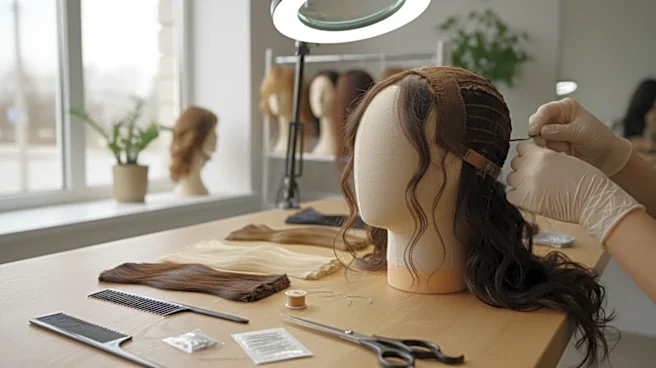
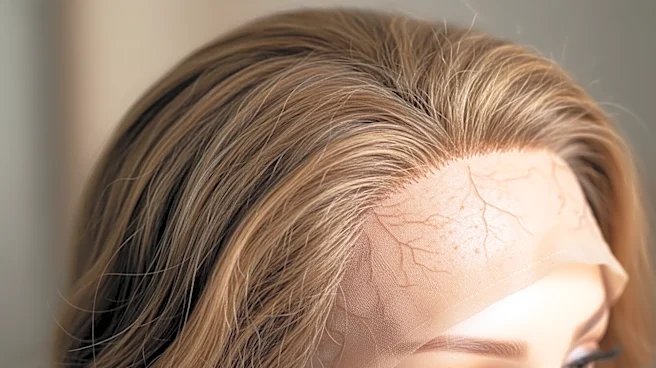
The single most time-consuming part of creating a hand-finished wig is ventilation. This is the intricate process of tying individual strands of hair onto the lace or monofilament base. Using a tiny ventilating hook, a skilled artisan might tie as many as 40,000 knots to create a full wig. To achieve a natural-looking hairline, single strands of hair are used around the edges. This process is incredibly labor-intensive, with a standard custom wig requiring between 40 and 60 hours of ventilation work alone. Some complex pieces can take three to four months to complete this stage. It's a testament to fine craftsmanship that cannot be rushed, as the quality of the ventilation determines how naturally the hair moves and how seamlessly the wig blends with your scalp.
Custom Color and Precision Styling
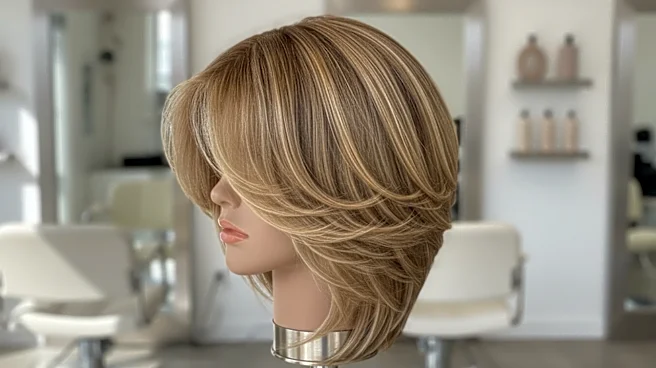
After the wig has been constructed, it moves to the color and styling phase. This is far more complex than simply dyeing the hair. The process often involves carefully bleaching the knots on the lace to create the illusion of hair growing directly from the scalp. This is a delicate task, as the bleach must not touch the hair roots. Following that, the artist may apply custom color, including root melts, highlights, or lowlights, to achieve a natural, multi-dimensional look. Finally, the wig is cut and styled to frame your face and match your desired look. Each of these steps is a distinct artistic process, mirroring what would happen in a high-end salon over several appointments.
Final Fitting and Necessary Adjustments
A custom wig isn’t truly finished until it has been fitted to the client. The final appointment involves trying on the completed piece, cutting the lace to match your hairline, and making any last-minute adjustments to ensure a perfect, secure, and comfortable fit. This step is vital for a seamless result and allows the creator to make small tweaks that make a huge difference in the final appearance. Like the fitting for a bespoke suit, this ensures the end product is not just beautiful on its own, but flawless on you. This final quality check is an essential part of the service and must be factored into the overall timeline.