






From TV Special to Business Ecosystem
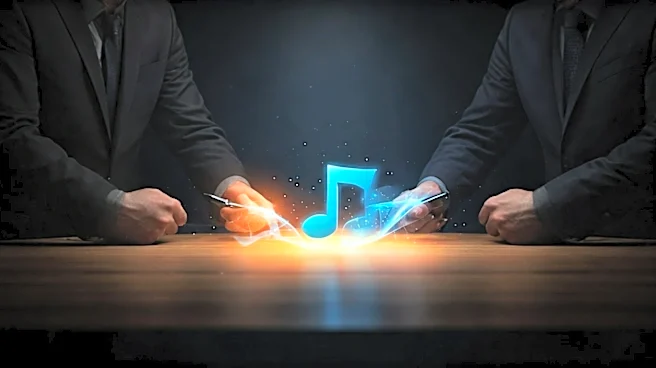
For decades, the premise of a music awards show was simple: celebrate the year's most popular artists, hand out some hardware, and sell ads during the commercial breaks. The American Music Awards, created by Dick Clark in the 1970s as a populist alternative to the Grammys, excelled at this. But as linear television audiences have fragmented and social media has become the new town square, the show's core value has shifted dramatically. It’s no longer just a television program; it's a multi-platform marketing vehicle. The three hours of airtime are merely the anchor for a sprawling ecosystem of deals that begin months in advance and ripple across the internet for weeks after.
The Record Label’s High-Stakes Bet
For record labels, the AMAs are an invaluable launchpad. In a crowded
media landscape, a single prime-time performance can do what months of digital advertising cannot: create a genuine cultural moment. A label's negotiation with the show's producers isn't just about getting their artist a slot; it's about securing the *right* slot. Will it be the show opener? Will they get an extended medley? Can they debut a brand-new song to drive first-week sales and streaming numbers? Every detail is a strategic play. A show-stopping performance can reignite a veteran's career or mint a new superstar overnight. The labels are willing to invest heavily—in elaborate staging, promotion, and political capital—to secure that three-to-five-minute advertisement for their most important asset: the artist.
Enter the Streaming Giants
The most significant change to the AMA negotiation table has been the arrival of tech companies. Streamers like Apple Music, Spotify, and YouTube are no longer passive platforms; they are active and powerful players in the music industry. They come to the table not just as sponsors, but as kingmakers. A performance might be “Presented by Apple Music,” with the song available exclusively on their platform for the first 24 hours. A nomination category might be sponsored by YouTube, reinforcing their dominance in music video consumption. These streamers are competing for subscribers, and they use the AMAs to demonstrate their cultural relevance and exclusive access. Their involvement adds a new layer of complexity, turning the show into a proxy battleground for the ongoing war for streaming supremacy.
Where Brands Buy Cultural Relevance
For corporate sponsors, the AMAs offer a holy grail: authentic integration with pop culture. A 30-second TV spot is easily skipped, but a brand that facilitates a surprise collaboration or sponsors the red carpet gets to borrow the cultural cachet of the artists themselves. The negotiation for a sponsor like T-Mobile or Xfinity isn’t just about logo placement. They're buying access and association. They want their brand embedded in the social media chatter, in the behind-the-scenes content, and in the very fabric of the broadcast. The artist’s performance becomes a vehicle for the brand’s message, creating a seamless piece of branded content that feels more like entertainment than advertising. This alignment is incredibly valuable, turning fans' emotional connection to an artist into a positive association with a corporation.