





The Weight of a Nation
Before the tournament, the mood was electric, a mix of carnival and high-stakes pressure. Brazil, the spiritual home of soccer, hadn't hosted the World Cup since 1950, a tournament that ended in national trauma with a loss to Uruguay in the final. The
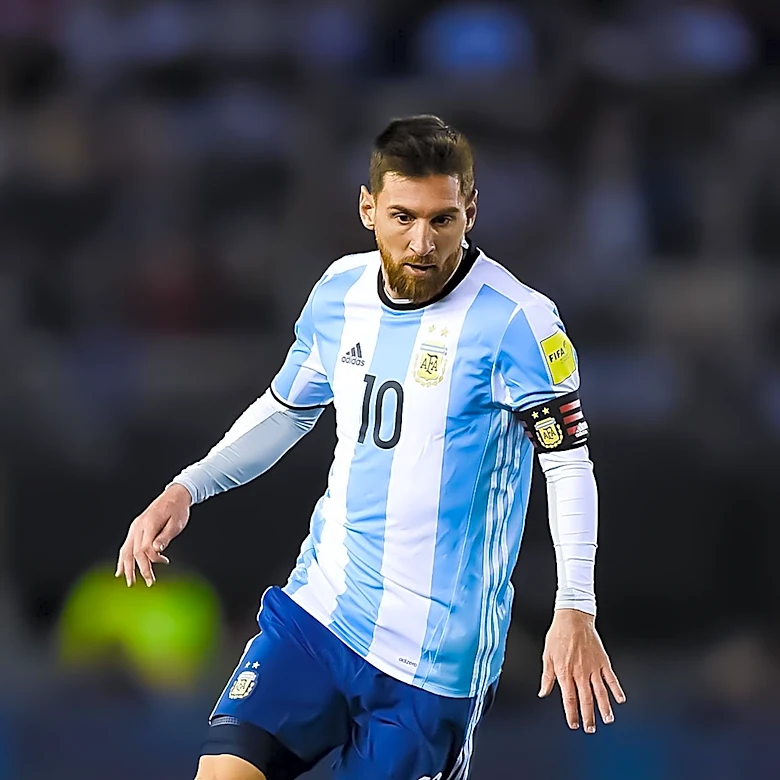
2014 squad was tasked with exorcising those ghosts. At the center of it all was Neymar da Silva Santos Júnior. At just 22 years old, he was the team's creative genius, their top scorer, and the living embodiment of the nation's dreams. He played with a joy and flair that felt distinctly Brazilian, and with every goal he scored, the belief that this would be their year grew stronger. The team wasn't always fluid, but Neymar always delivered the magic. The pressure was immense, but he carried it with a smile. The entire tournament narrative was built around him leading his country to glory.
A Collision in Fortaleza
On July 4, 2014, Brazil faced a tough, physical Colombia side in the quarter-finals. The atmosphere in Fortaleza was feverish. Brazil took an early lead, but the game was a brutal, hard-fought affair. Then, in the 88th minute, with Brazil leading 2-1, the moment arrived. As Neymar controlled a ball, Colombian defender Juan Camilo Zúñiga challenged him from behind, driving a knee directly into the Brazilian star's lower back. It wasn't a spectacular, red-card foul at first glance, but the result was immediate and devastating. Neymar collapsed, screaming in agony. He tried to get up but couldn't. As he was carried off the field on a stretcher, a hush fell over the stadium and across the millions of fan parks throughout the country. The victory was secured, but the celebration was muted, replaced by a feeling of dread.
Joy, Sadness, and a Fractured Dream
The post-match joy quickly turned to national mourning. Hours later, the news every Brazilian had feared was confirmed: Neymar had suffered a fractured third lumbar vertebra. His World Cup was over. Doctors later stated that if the impact had been just an inch to the side, he could have been paralyzed. The diagnosis sent a shockwave through the country. Front pages that should have celebrated a semi-final berth were instead filled with images of Neymar in agony. Hundreds of fans gathered outside the hospital where he was taken, chanting his name in support. The prevailing mood shifted from hopeful to heartbroken. Teammate Hulk described it as "sad news that no one expected to hear." The party had come to a screeching halt.
The Humiliation in Belo Horizonte
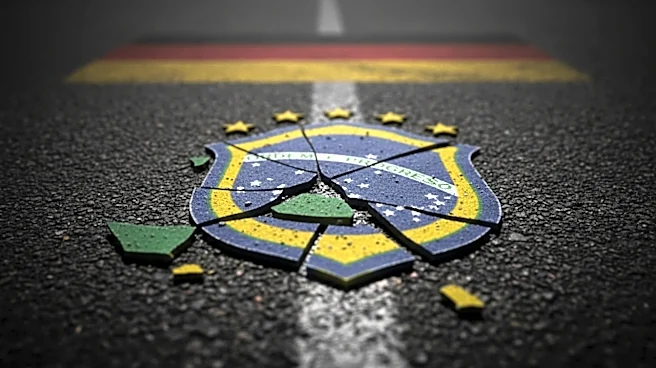
Without their talisman and emotional leader, Brazil prepared to face Germany in the semi-final. The team entered the stadium holding Neymar's jersey during the national anthem, a gesture meant to inspire. Instead, it highlighted the massive void he left. What followed was not just a loss, but a complete psychological collapse that would be forever known as the 'Mineirazo.' Germany scored five goals in the first 29 minutes, four of them in a chaotic six-minute span. The Brazilian players looked lost, shell-shocked, and emotionally broken. The final score was a scarcely believable 7-1, the worst loss in the history of the Brazilian national team and the most lopsided World Cup semi-final ever. The team that stepped onto the field was a ghost of the one that had played with Neymar. His absence wasn't just tactical; it was spiritual. The foul that broke his back had also broken his team's spirit.