




From Regional Remembrance to Primetime Event
For over 150 years, Juneteenth was a day of deeply personal and regional significance, primarily celebrated by Black communities in Texas and beyond. It was a day of potlucks, parades, and prayer—a grassroots commemoration of June 19, 1865, when enslaved
African Americans in Galveston were finally informed of their freedom. Its journey to national prominence was slow and deliberate, driven by activists and lawmakers. But its arrival as a federal holiday in 2021 triggered an entirely different kind of acceleration. Suddenly, Juneteenth wasn’t just a historical event; it was a content opportunity. Networks, streaming services, and media conglomerates, eager to demonstrate cultural awareness (and capture a key demographic), scrambled to put their stamp on the day. The result has been a wave of programming that attempts to translate a complex history into appointment viewing.
Crafting the Marketable Format
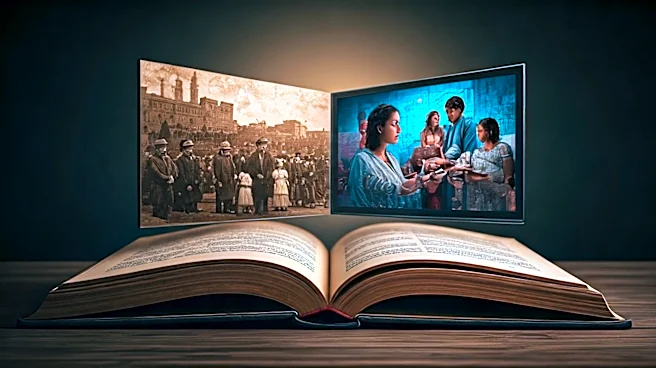
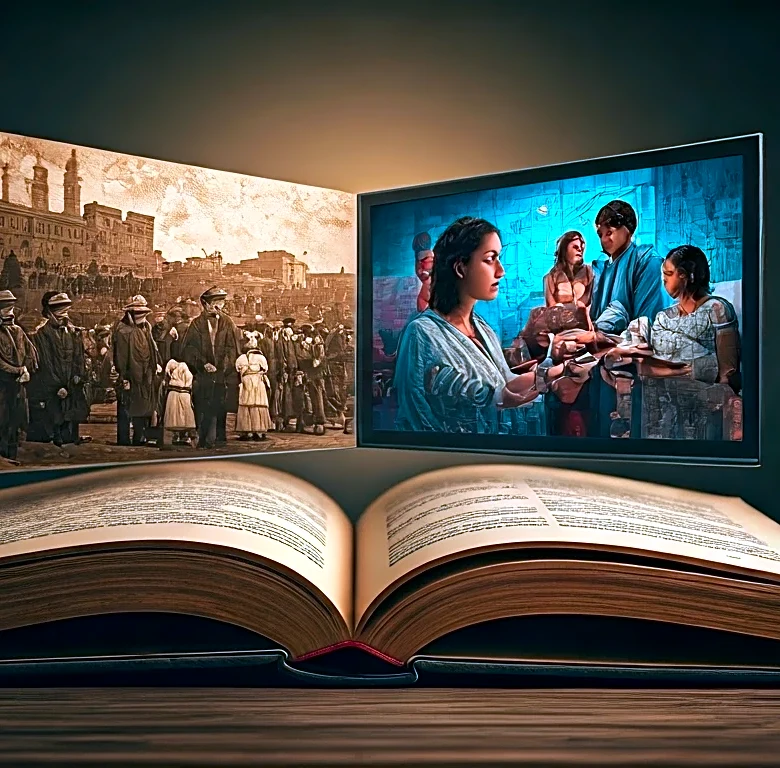
If you’ve watched one Juneteenth TV special, you can probably predict the structure of the next. The format is becoming remarkably consistent: a charismatic Black celebrity host, a series of high-energy musical performances from contemporary artists, and somber historical vignettes narrated with gravitas. Interspersed are interviews with prominent Black thinkers, community leaders, and sometimes, corporate sponsors who get a brief, branded moment to talk about “empowerment.” It’s a variety show model, blending the celebratory feel of a New Year's Eve broadcast with the educational tone of a Black History Month segment. This format is marketable because it’s legible and safe. It offers uplift and entertainment while touching on history in a way that’s accessible but rarely uncomfortable. It packages pain and perseverance into a tidy, 90-minute special, complete with commercial breaks.
The Tension Between Celebration and Commodification
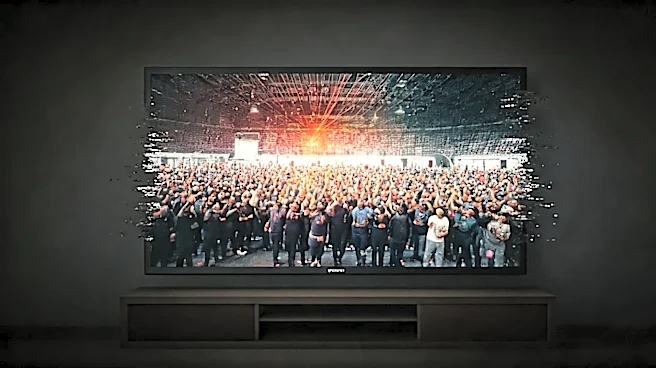
This is where the central tension lies. On one hand, these specials provide an unprecedented national platform. They employ Black creators, celebrate Black artists, and introduce the significance of Juneteenth to millions of Americans who may have never heard of it. For many, seeing this history centered on major networks like ABC or CNN is a powerful symbol of progress. Yet, the slickness of the production can feel at odds with the holiday’s somber roots. The memory of brutal bondage and the hard-won fight for freedom can feel sanitized when presented between a pop performance and a car commercial. Critics point out that this packaging often serves corporate diversity, equity, and inclusion (DEI) initiatives as much as it serves the Black community. It can feel less like genuine remembrance and more like a performative act of corporate citizenship, turning a day of liberation into a branding opportunity.
Memory, Authenticity, and What’s Next
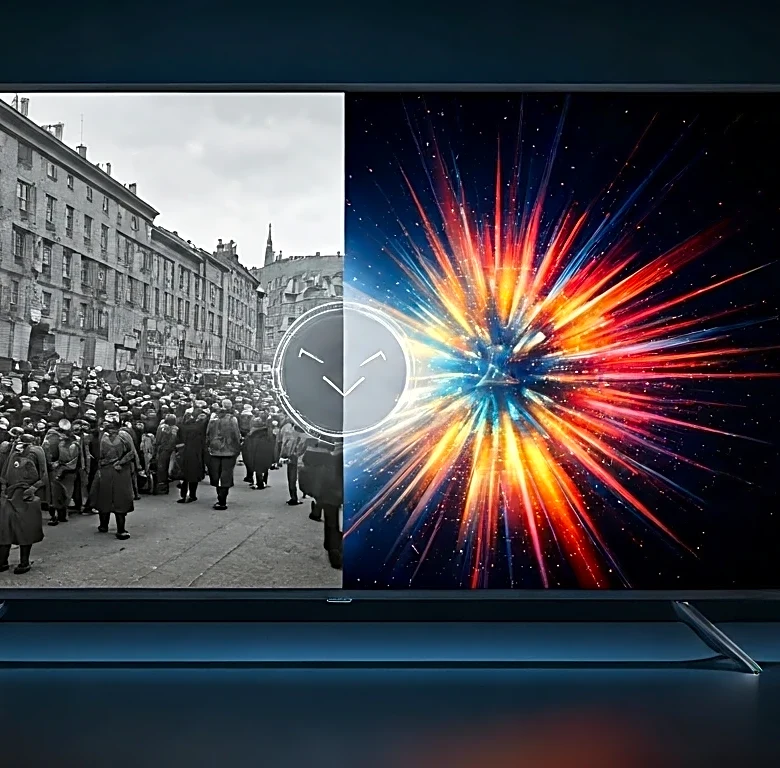
Does the mainstreaming of Juneteenth on TV dilute its meaning? It’s a risk. When historical memory is formatted for mass consumption, nuances are lost. The radical, disruptive nature of emancipation is softened into a story of generic triumph. The ongoing struggle for racial justice, which is core to the spirit of Juneteenth, can be sidelined in favor of a more palatable narrative of national healing. For example, a special that focuses heavily on musical celebration but spends only a few minutes on the persistence of systemic inequality is making a clear editorial choice. It’s choosing entertainment over agitation, comfort over confrontation. The danger is that Juneteenth TV could turn the holiday into a feel-good moment for a single day, allowing viewers to feel they’ve “done their part” by watching, without engaging with the deeper, more challenging work the day represents.