





The Hall H Launchpad
For television shows, especially in the sci-fi, fantasy, and superhero genres, San Diego Comic-Con is more than just a convention; it's the ultimate marketing launchpad. It offers a super-concentrated audience of over 130,000 passionate fans who are eager
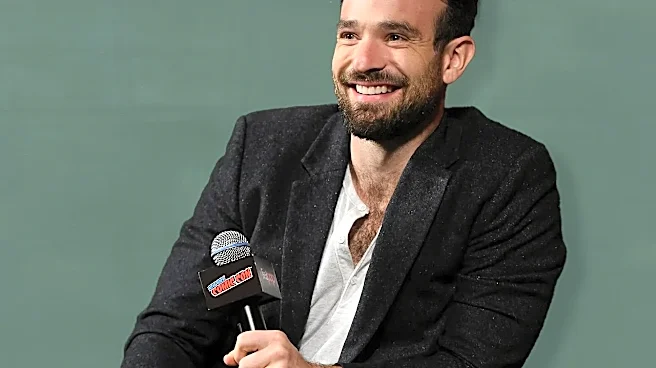
to embrace the next big thing. Landing a panel in the legendary Hall H, or even the more intimate Ballroom 20, provides an unparalleled opportunity. Here, showrunners, flanked by their cast, can personally introduce their vision. They don't just show a trailer; they sell a story. This is where the world gets its first glimpse of a much-anticipated series or a new season, creating a wave of excitement that spills out of the convention center and onto the internet. The goal is to generate a massive spike in awareness and conversation, creating a powerful foundation of fan investment weeks before the first episode ever airs. It's a high-stakes, high-reward first impression that can define a show's trajectory.
Bridging the Four-Week Gap
The biggest challenge for a show that dazzles at Comic-Con is sustaining that energy until its August premiere. A month can be an eternity in pop culture, so showrunners employ a meticulous strategy known as “the bridge.” This isn't about radio silence; it's a carefully orchestrated campaign of continuous engagement. For a hypothetical new fantasy epic like “Aethelgard's Covenant,” which might have premiered its trailer at Comic-Con, the bridge strategy would be crucial. The week after the con, the studio might release high-resolution stills of the costumes. The following week, the showrunner could participate in a social media Q&A, answering fan theories that emerged from the trailer. The third week could see the release of a short, exclusive clip to a partner media outlet, before a final marketing blitz in the days leading up to the premiere. This drip-feed of content keeps the show at the forefront of the cultural conversation, ensuring the momentum built in San Diego doesn't fizzle out.
The Showrunner as Master Strategist
While marketing departments execute the plan, the modern showrunner is often the chief architect of this fan-facing strategy. As the primary creative force, they are uniquely positioned to articulate the show's vision directly to the audience. At Comic-Con, they are not just producers; they are evangelists. On panels, they frame the season's themes, contextualize character arcs, and drop carefully vetted teases that send fan communities into a frenzy of speculation. This personal touch builds a level of trust and connection that a standard press release cannot. Fans feel they are getting the story directly from the storyteller. This extends to the weeks after the convention, where showrunners use interviews and social media to continue nurturing the community they began to build, transforming passive viewers into active, engaged fans before the show even hits the airwaves.
Experiential Marketing and Beyond
The modern Comic-Con strategy extends far beyond the convention center walls. Networks now create elaborate “activations”—immersive, real-world experiences that bring the world of the show to life for fans, often without requiring a convention badge. Imagine an escape room themed around a new thriller, or a pop-up restaurant identical to a location in an upcoming comedy. These experiences are designed to be highly photogenic and shareable, turning attendees into marketing ambassadors who broadcast the show's aesthetic and energy across social media. From scavenger hunts and exclusive merchandise drops to augmented reality filters, the goal is to create a tangible, emotional connection to the show's world. This transforms marketing from a passive ad into an active, memorable event, giving fans a personal story to tell and a reason to feel invested long after they've left San Diego.