






The Supremacy of the Silhouette
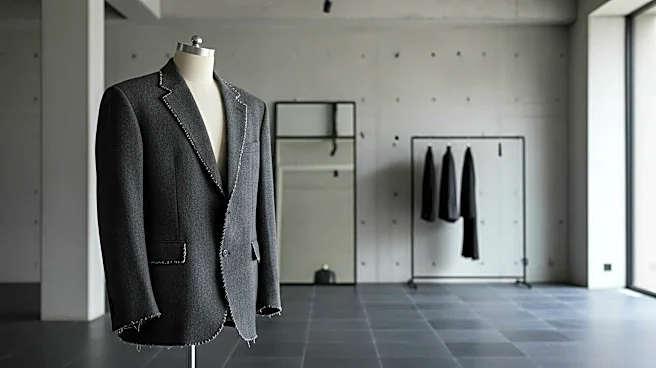
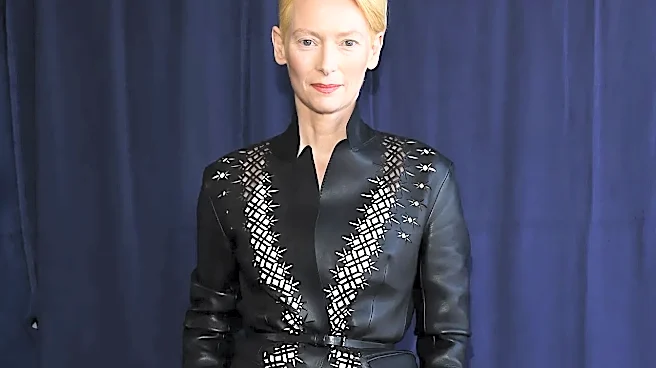
First, forget the details. The primary lesson from Swinton’s wardrobe, often created in collaboration with designer Haider Ackermann, is the supremacy of the silhouette. Her looks are frequently architectural, prioritizing an elongated and lean form or,
conversely, a deliberately oversized one. This isn't about fleeting trends; it’s about a garment's fundamental shape. This directly mirrors a core tenet of Nordic design: a focus on clean, simple lines and geometric forms that create a minimalist appeal. Whether it’s a sharply tailored suit or a draped gown, the overall structure is the main event. The drama comes from the shape itself, not from busy patterns or excessive embellishment, embodying a sense of sophisticated restraint.
Material as a Medium
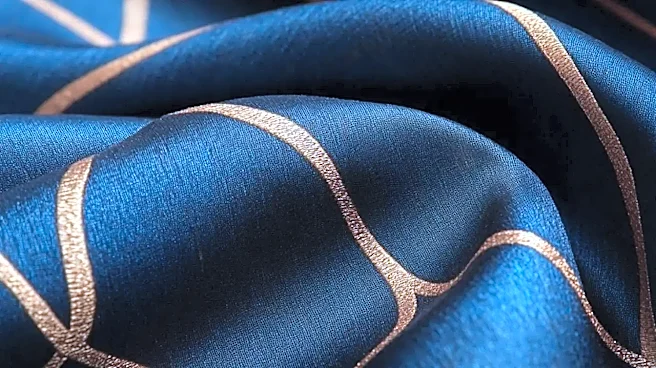
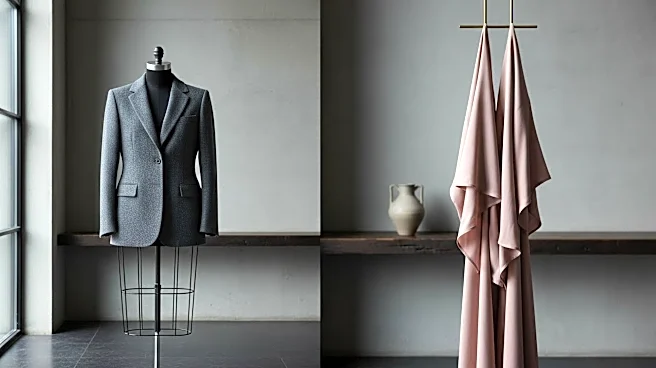
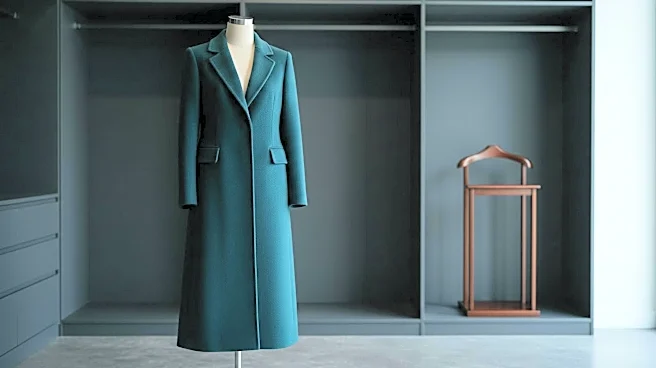
Swinton’s style demonstrates a profound understanding of fabric. Her clothes are often sculptural, using materials that have weight and presence to create volume. This choice is never accidental. It’s a dialogue between the fabric and the form, where the material is just as important as the cut. This philosophy is deeply rooted in Scandinavian design, which emphasizes natural, high-quality materials. The focus is on how a material feels and behaves, adding warmth and texture to an otherwise minimal canvas. Just as Nordic interiors use wood, wool, and linen to add character to a simple space, Swinton’s tailoring uses substantial fabrics to give her minimalist silhouettes depth and emotional resonance.
The Art of 'Just Enough'
There is a Swedish concept called lagom, which roughly translates to “not too little, not too much, but just right.” This principle is the perfect lens through which to view Swinton’s style. Her looks are almost never cluttered. Accessories are sparse and intentional. This reflects the Nordic design principle of ensuring every item serves a purpose, both functionally and aesthetically. By stripping away the non-essential, the focus remains on the core elements: the cut, the fabric, and the wearer. This approach eschews excess in favor of a balanced, harmonious statement. It’s a confident declaration that the design itself is enough, a quiet but powerful philosophy in a world often defined by abundance.
Monochrome as a Canvas for Form
Swinton frequently employs monochrome, wearing a single, solid color from head to toe. This isn't a safe or boring choice; it's a strategic one. A monochromatic palette forces the eye to appreciate proportion, texture, and tailoring without the distraction of color-blocking or prints. This technique is a hallmark of the Nordic aesthetic, which relies on neutral, muted color schemes—like whites, grays, and beiges—to create a sense of calm and to emphasize the form of furniture and the play of light in a room. By wearing a striking cobalt blue suit or an all-white ensemble, Swinton turns her body into a moving sculpture, where every pleat, drape, and seam becomes a critical part of the overall composition.