
A City by Design, Not by Chance
To the casual observer, Black Rock City might look like chaotic sprawl. In reality, it’s a meticulously planned urban environment. The city’s crescent-shaped layout, designed by the late landscape architect
Rod Garrett in 1997, is a masterpiece of functional urbanism. Streets are arranged in a series of concentric circles and radial avenues, all oriented toward the central effigy of the Man. This radial clock-face grid isn't just for aesthetics; it's a brilliant wayfinding system that allows tens of thousands of people to navigate a vast, featureless landscape with surprising ease. It’s a solution born from necessity, addressing early problems of chaos and disorientation. This act of imposing order creates a civic framework that fosters interaction and a sense of place, proving that even a temporary city needs a strong design backbone.
Designing for Human Interaction
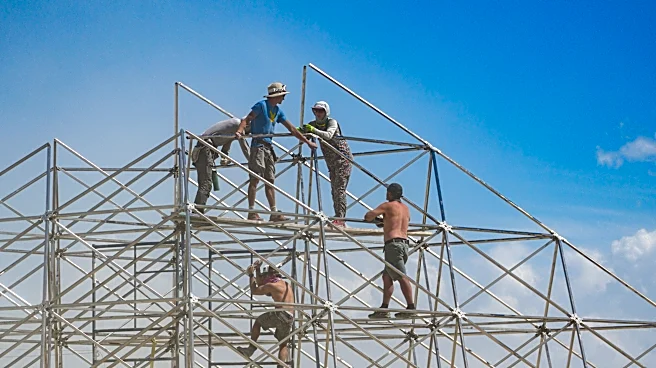
Experiential design is about crafting spaces that evoke emotion and encourage interaction, and Burning Man is its most radical expression. The architecture here is rarely passive. Structures are meant to be climbed, explored, and engaged with. The principle of 'Radical Self-expression' means that buildings are often more than just shelter; they are interactive artworks, performance stages, or social gathering points. This participatory ethos is a direct challenge to traditional architecture, where buildings often create barriers. At Burning Man, the goal is the opposite: to use design to break down social barriers and foster communal effort and connection. Designers have taken note, seeing how physical spaces can be powerful tools for community building.
Innovation Born from Extreme Constraints
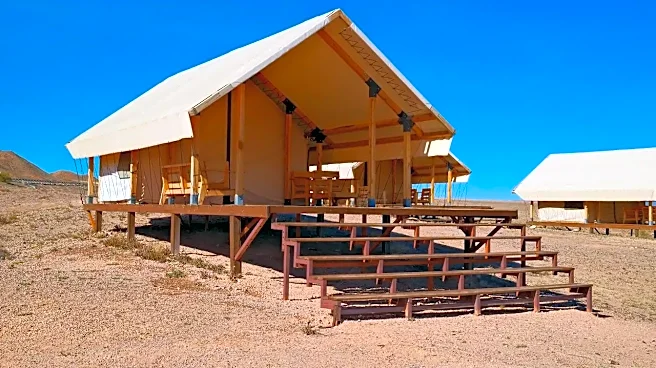
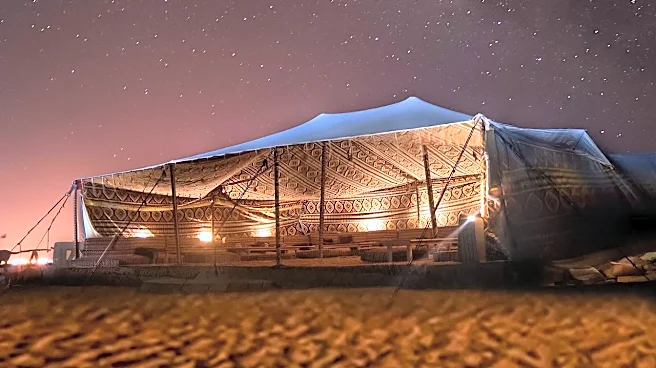
The Black Rock Desert is an unforgiving client. With scorching daytime heat, freezing nights, and corrosive alkaline dust, any structure must be incredibly resilient. Add to this the foundational principle of 'Leave No Trace'—meaning every single piece of a construction must be removed without a trace—and you have a formidable design challenge. These harsh constraints, however, have turned the event into an incubator for architectural innovation. Designers and builders are forced to experiment with lightweight, modular, and sustainable materials. Solutions developed here, from intricate wooden joinery that requires no metal fasteners to shelters that can be assembled by volunteers in days, have real-world applications for disaster relief housing and sustainable construction.
The Temple: Architecture as Emotional Vessel
No structure better illustrates Burning Man’s design ethos than the Temple. Separate from the wild energy of the main event, the Temple is a vast, non-denominational spiritual center. Each year, a different architect is chosen to design a unique structure, which becomes a quiet, sacred space for remembrance and release. Participants cover its walls with messages, photos, and mementos for loved ones lost. The designs are often breathtakingly complex and beautiful. The 'Temple of the Deep' (2025) was designed to mirror the stages of grief, while 2026's 'Temple of the Moon' was inspired by a rare desert flower. Its power as a piece of experiential design comes from its entire lifecycle: it is built with communal effort, serves a profound emotional purpose, and is ceremonially burned at the end of the week in a collective act of catharsis. This is architecture designed not just for shelter, but for the soul.