


The Era of 'No-Effort' Perfection
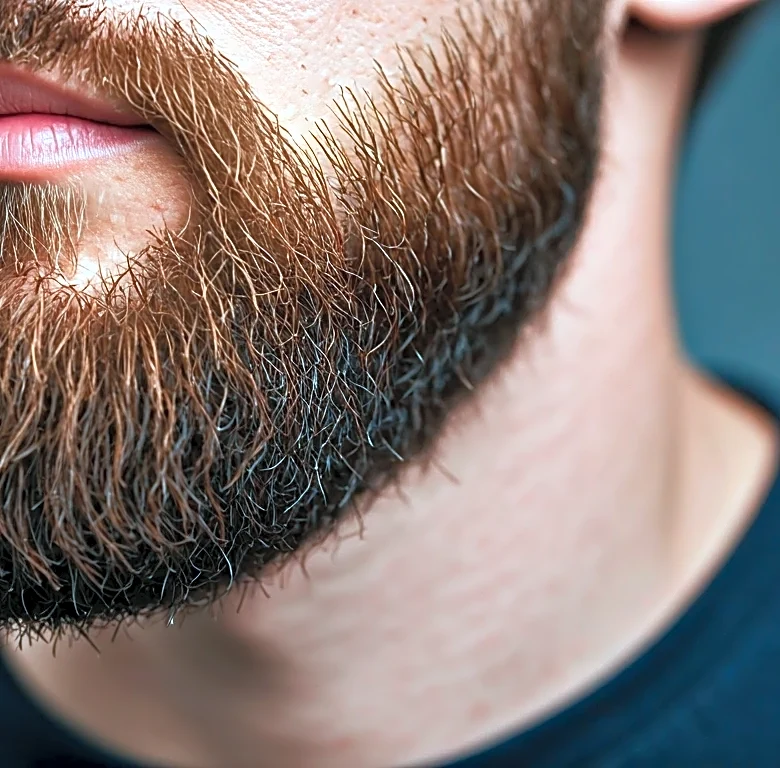
For much of the late 20th century, the ideal man on the runway was groomed to look like he hadn't been groomed at all. Think of the minimalist, black-and-white Calvin Klein ads of the 1990s. The goal was a rugged, natural handsomeness that suggested a man was too
busy being masculine to fuss over his appearance. On the runway, this translated to "invisible" beauty: a little powder to kill shine, a dab of concealer for a late night, and perhaps some clear brow gel. The prevailing attitude was that while grooming was necessary, it should remain a secret, a private act to achieve a look of effortless perfection. [4, 5] Makeup was largely seen as the domain of women, and for men to partake was viewed by many as frivolous or effeminate. [1, 8]
The 'Metrosexual' Awakening
The early 2000s ushered in a significant change with the rise of the "metrosexual." [18] This new archetype, embodied by figures like David Beckham, was a heterosexual man who openly embraced fashion, skincare, and grooming. [18] The stigma began to crack. Runways saw a cautious but deliberate increase in visible grooming. It was no longer about hiding imperfections but enhancing features. Subtle bronzer for a healthy glow, meticulously shaped eyebrows, and even a touch of lip balm with a hint of color started to appear. This era marked a crucial turning point where grooming evolved from mere hygiene into a form of personal care and style, laying the groundwork for more radical changes to come. [9, 18] The idea that a man could care about his appearance without compromising his masculinity began to take hold in the mainstream. [5]
The Revolution of Intentional Polish
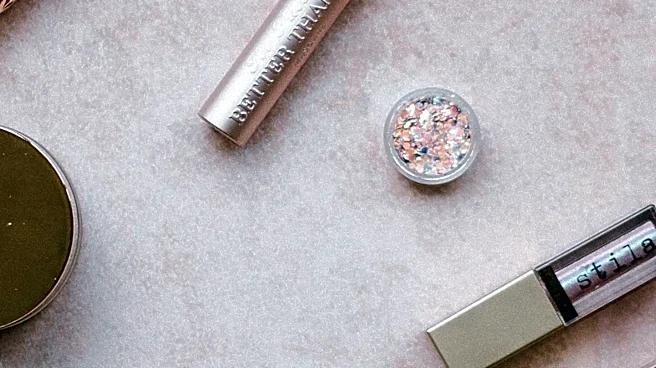
The last decade has seen an explosion of creativity in men's runway beauty, moving firmly into the realm of "intentional polish." Driven by a new generation of designers and a cultural shift towards gender fluidity and individualism, makeup for men is no longer just corrective—it's expressive and artistic. [9] Designers like Rick Owens and brands like Gucci sent models down the runway with graphic eyeliner, glitter, bold lipstick, and experimental looks that challenge traditional gender norms. [13, 16] This wasn't about looking subtly better; it was about making a statement. [13] The runway became a laboratory for what masculinity could look like, featuring everything from smoky eyes to surreal, face-altering makeup. [13, 15] This shift was amplified by social media, where male beauty influencers gained massive followings, normalizing makeup for men in daily life. [1]
Why This Transformation Matters
The journey from invisible grooming to intentional polish is more than just a fashion trend; it's a cultural barometer. This evolution signifies a fundamental redefinition of what it means to be a man. It reflects a growing acceptance that masculinity is not a monolith but a spectrum of identities and expressions. [4] For decades, men were confined by rigid expectations, where any deviation was met with suspicion. [1] The freedom to wear makeup, to experiment with one's appearance, is a powerful form of self-expression and identity-building. [9] Furthermore, this shift has significant commercial implications. The men's grooming and beauty market is one of the fastest-growing sectors in the industry, proving that this is not a niche interest. [19] Brands are responding with products specifically formulated and marketed for men. [10, 20] Ultimately, the history of men's runway beauty matters because it shows us how far we've come in decoupling appearance from outdated gender roles. It's a visual story of liberation, demonstrating that confidence and self-care are universal, not gendered. [4, 23]