






First, What Is Royal Ascot?
For Americans, think of the Kentucky Derby, then multiply the pageantry by a thousand and add the Royal Family. Royal Ascot is a five-day horse racing meeting in Berkshire, England, that has been a highlight of the British social calendar since 1711.
While the horses are important, the real spectator sport is the fashion. The event is governed by a notoriously strict dress code, which varies by enclosure. The most prestigious, the Royal Enclosure, has rules so specific they are updated annually. For ladies, the most critical rule has always been about what’s on their head. For decades, the mandate was simple: a hat was required, and a fascinator—that small, artful decoration clipped to the hair—was explicitly forbidden.
The Old Guard: The Power of the Hat
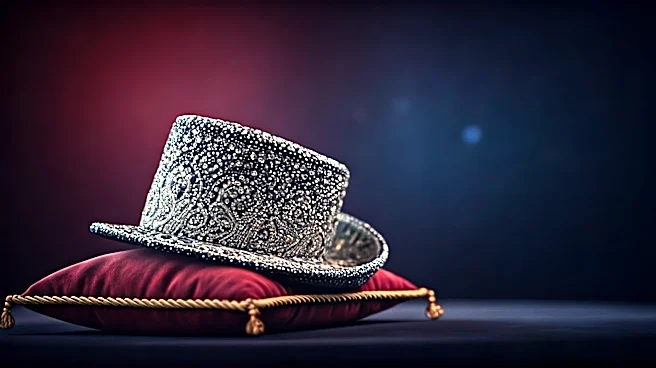
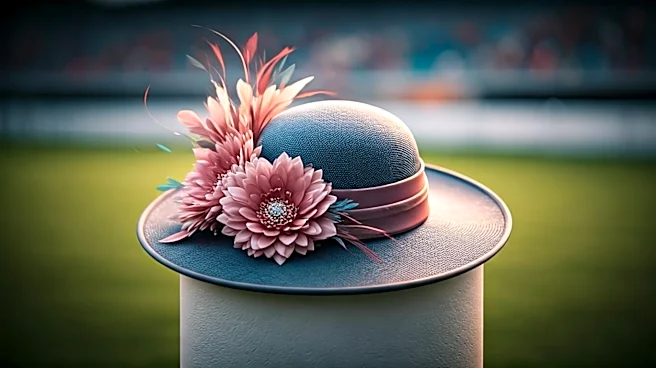
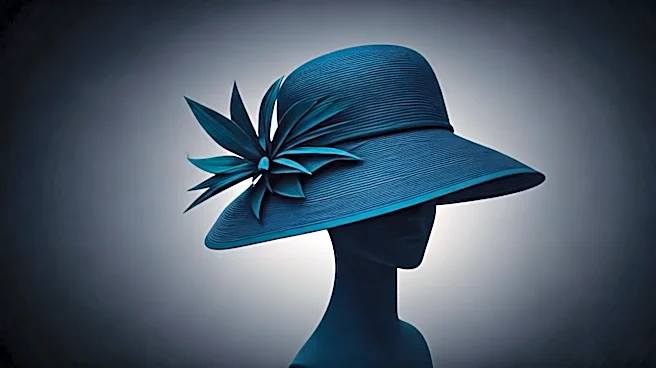
For the establishment and older generations, the hat is not just an accessory; it’s the point. A proper hat at Ascot is a status symbol, a work of art, and a nod to tradition. Think of the late Queen Elizabeth II, whose perfectly matched, brilliantly colored hats were a masterclass in monarchical style. Or picture the grand dames of British society in wide-brimmed creations that seem to defy gravity. These are statement pieces crafted by legendary milliners like Philip Treacy and Stephen Jones. For this crowd, a bigger, bolder, and more beautifully constructed hat signals an understanding of the event’s gravitas. It’s about respecting the institution and participating in a centuries-old display of sartorial splendor. Going without a substantial hat is, in their view, like showing up to a black-tie gala in jeans.
The New Wave: The Rise of the Headband
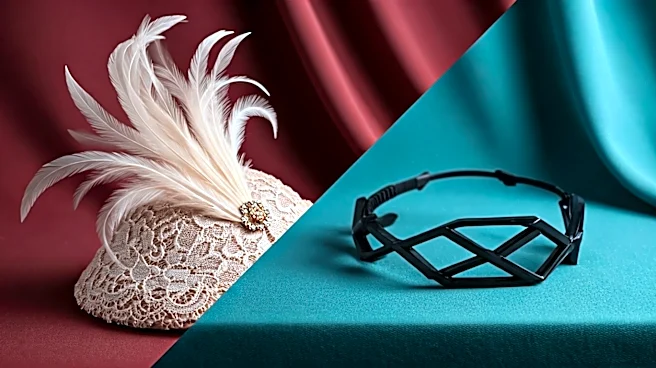
Enter the younger generation. For Millennials and Gen Z, including younger royals like Princess Beatrice and Kate Middleton, the “hat” rule is being creatively reinterpreted. In recent years, the embellished headband—often called a “hatband” or “padded Alice band”—has become the chic, modern alternative. It’s technically compliant with the dress code (which now allows for headpieces with a solid base of 4 inches or more) but feels distinctly more youthful and less formal. It’s comfortable, won’t block anyone's view, and pairs better with modern, streamlined dresses. Designers like Jane Taylor and Simone Rocha have turned these luxurious, pearl-encrusted or velvet-wrapped headbands into must-have items. They offer a way for younger women to look polished and respectful of the rules without feeling like they’re playing dress-up in their mother’s clothes.
The Fascinator: A Conflicted Middle Ground
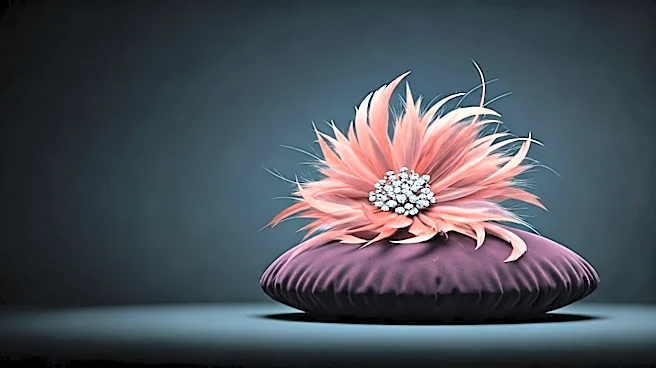
So where does the fascinator fit in? Once the rebellious choice, it was famously banned from the Royal Enclosure in 2012 for not being substantial enough. Now, it occupies a sort of no-man’s-land. While still popular in less formal enclosures, it’s seen by some as neither here nor there—not as grand as a hat, but not as coolly modern as a headband. The fascinator's journey from edgy to slightly dated reflects how quickly fashion goalposts can move. It was the accessory that broke the mold, paving the way for more diverse headwear, but it may have been a victim of its own success. Today, choosing a fascinator can be a tricky proposition, landing you in a sartorial middle ground that pleases neither the traditionalists nor the trendsetters.
More Than Just Fashion
This “split” isn’t just about aesthetics; it’s a quiet reflection of broader cultural shifts. The grand, formal hat represents a top-down, institutional Britain of strict rules and established hierarchies. The headband, on the other hand, embodies a more individualistic, comfort-oriented, and digitally savvy generation. It’s a solution that works within the system while subtly subverting it. The younger attendees aren't abandoning the dress code; they’re hacking it to fit their own sense of style. They respect the tradition enough to participate, but they’re rewriting the terms of engagement, one pearl-studded headband at a time.