




The Zoom-In Revolution
Not long ago, red carpet analysis was a game of silhouettes and colors. From a distance, a dress was simply "a stunning red gown" or "a classic black suit." But the advent of crystal-clear, 8K photography and zoom-friendly social media has fundamentally
changed the viewing experience. Every photo is now a forensic document. We can scrutinize the weave of a fabric, the precision of a seam, and the quality of an embellishment from our phones. This digital magnification has turned passive viewing into active inspection. Suddenly, the difference between a machine-stitched hem and a hand-rolled one, or between plastic sequins and glass beads, is not just visible but glaring. For designers and stylists, there's nowhere to hide. For viewers, it offers a chance to appreciate fashion not just as an image, but as a crafted object.
Fabric Is the Foundation
At the heart of this detailed critique is the fabric itself. A garment's success begins with the material. Couture houses have long known that exceptional materials are the starting point for any design. Think of the way a heavy silk charmeuse drapes, pooling like liquid, versus the architectural hold of a bonded wool. One creates softness and fluidity; the other, a sharp, modern line. At this year's TIFF, you could see these principles in action. When Lily-Rose Depp appeared in a butter-yellow Chanel dress, its sculptural quality was a deliberate choice of fabric that holds its shape. Similarly, Lisa's velvet Louis Vuitton set relied on the fabric's deep, light-absorbing texture for its impact. Understanding these properties allows you to see the intention behind a look. The designer didn't just pick a color; they chose a material for its specific behavior, its texture, and how it interacts with light and movement.
Construction Tells the True Story
If fabric is the foundation, construction is the art built upon it. This is where craftsmanship truly shines—or fails. In high-resolution, a puckered seam, mismatched pattern, or poorly set sleeve is painfully obvious. Conversely, the subtle signs of mastery become a new source of admiration. Consider the complexity of a bias cut, where fabric is cut on the diagonal to create a clinging, fluid drape. It's notoriously difficult to execute, but when done well, it’s magic. Look at the tailoring on Mahershala Ali's monochromatic blue suit or the masterful draping on Caitríona Balfe's asymmetrical gown from Standing Ground's couture collection. These aren't happy accidents; they are the result of expert pattern-making and an intimate understanding of how a textile behaves when cut and sewn. Details like hand-stitched buttonholes or perfectly matched patterns on a printed fabric are hallmarks of quality that are now visible to anyone who knows what to look for.
Spotting Artistry at TIFF 2026
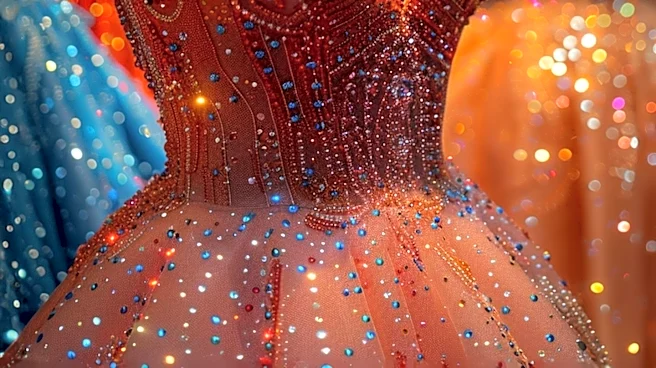
This year's festival provided a masterclass for the discerning eye. Take Ayo Edebiri's layered tweed Chanel couture gown, a perfect example of textile complexity. From afar, it's a chic black-and-white look; up close, high-detail images would reveal the intricate weave and texture of the tweed, a material that takes immense skill to layer without adding bulk. Fan Bingbing’s Tony Ward gown featured a lavishly beaded corset. In a high-res photo, you could differentiate the quality and application of the beading, appreciating the hours of handwork involved. This level of analysis elevates the conversation beyond "hot or not." It moves from a simple judgment of taste to an appreciation of skill, effort, and artistry. It’s the difference between looking at a painting and just seeing the subject, versus understanding the brushstrokes, the use of color, and the composition.