


Build a Simple, Solid Foundation
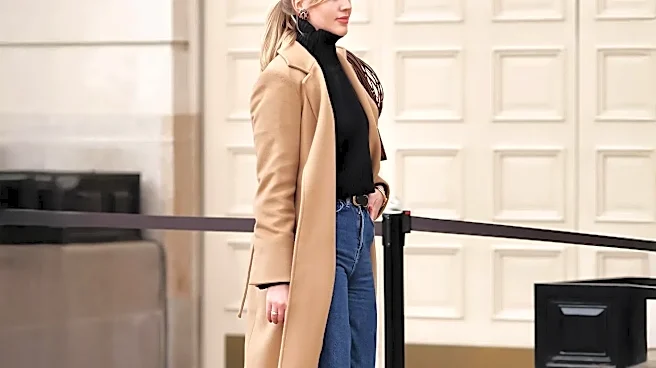
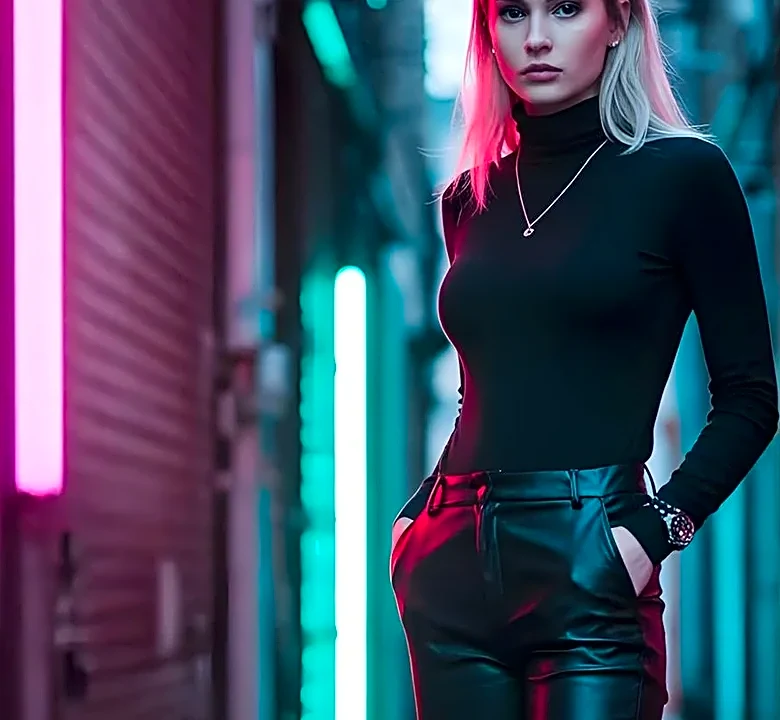
The secret to making a jacket the star is to give it a quiet stage to perform on. Start with a simple base layer. A classic white t-shirt, a fitted black turtleneck, or a neutral-colored knit top provides a clean canvas. By pairing a bold or textured
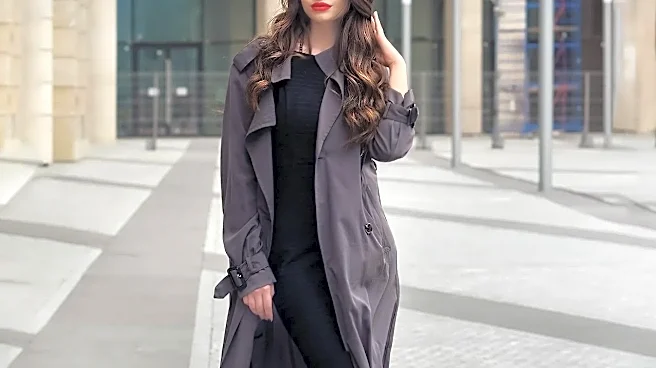
jacket with a monochrome base—like a black top and black pants—you create a streamlined silhouette that makes the jacket's color, cut, or fabric the undeniable focal point. This strategy allows the jacket to do all the talking without competing with busy patterns or loud colors underneath. Think of it as creating a supporting cast that makes the lead actor shine. The goal is balance; let the jacket be the statement, and let the rest of the outfit be the sophisticated, silent partner.
Master the Art of Texture
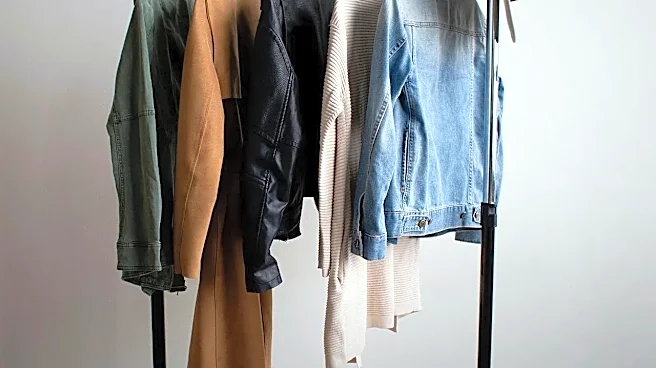
Combining different textures is one of the most effective ways to add depth and intention to an outfit. It turns a simple pairing into a thoughtful composition. A smooth leather jacket, for instance, gains a new dimension when worn over a soft cashmere or chunky knit sweater. A rugged denim jacket feels more elevated when paired with a smooth, simple cotton tee or even a silk camisole. The contrast is what creates visual interest. Don't be afraid to mix materials that feel different to the touch: a corduroy jacket with a ribbed top, a suede bomber with a plain t-shirt, or a waxed canvas field coat over a flannel shirt. This technique makes your outfit more engaging without adding more color or pattern, proving that style is often felt as much as it is seen.
Play with Proportion and Silhouette
How a jacket fits in relation to the rest of your clothes can completely change its impact. Experimenting with proportions is key to creating a modern, stylish look. If you're wearing a bulkier or oversized jacket, pair it with more fitted pieces underneath, like slim-fit jeans or tailored trousers. This balancing act prevents the outfit from looking shapeless. Conversely, a cropped jacket works wonderfully with high-waisted pants or a flowing maxi dress, as it draws attention to the waistline and creates a flattering silhouette. You can also play with length; a long trench coat over a shorter dress or a shirt-jacket that hits at the hip can make you appear taller. The goal is to create a dynamic shape that feels deliberate.
Use Color to Tell a Story
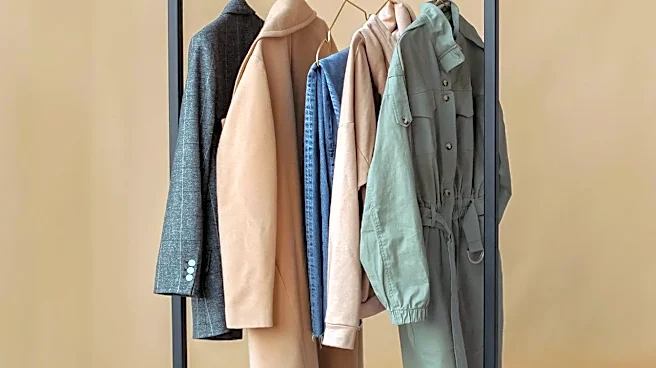
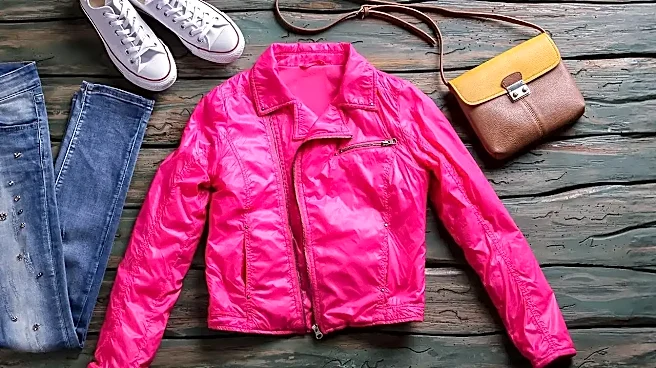
Your jacket can be the central element of your outfit's color palette. If you opt for a vibrantly colored jacket—like a rich burgundy, deep olive, or even a bright primary color—let it be the hero piece by keeping the rest of your outfit in neutral tones like black, white, gray, or navy. This makes the jacket's color pop. Another sophisticated approach is to build a tonal outfit, where you wear different shades of the same color. For example, you could pair a brown suede jacket with lighter tan chinos and a cream-colored sweater. You can also pull a secondary color from a patterned jacket and repeat it in your shirt, shoes, or accessories to create a cohesive, pulled-together feel.
Accessorize with Intent
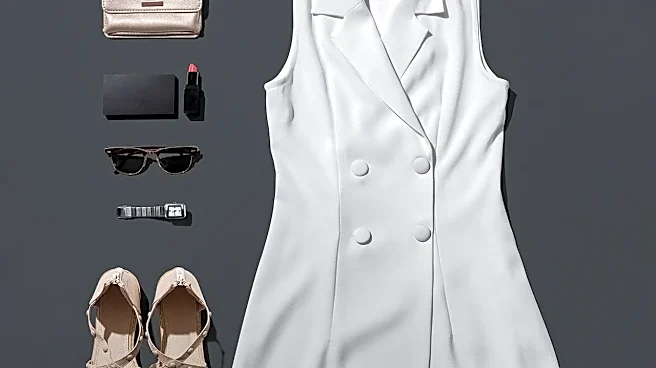
Accessories are the finishing touches that tie the entire look together, reinforcing the jacket as the main event. A well-chosen belt, for example, can cinch the waist of a blazer or trench coat, completely altering its shape and adding a level of polish. If your jacket is simple, a patterned scarf can add a splash of color and personality. For jackets with more attitude, like a leather moto, keep other accessories minimal to avoid a cluttered look. Even the choice of footwear matters. Swapping sneakers for a pair of leather boots or loafers can instantly elevate a casual denim or bomber jacket, shifting the entire mood of the outfit from relaxed to smart-casual.