



So, What Exactly is Brow Lamination?
Think of brow lamination as a perm or a relaxer for your eyebrows. It’s a chemical treatment that temporarily softens the bonds in your brow hairs, allowing a technician to reposition them into a more desirable shape. The goal isn't to glue them upwards,
but to make them flexible. This process allows unruly, curly, or downward-pointing hairs to be brushed into a uniform direction, creating a fuller, more defined look that holds its shape. Unlike microblading, it works with the hair you already have and doesn't involve any needles or pigment.
The 'Done Right' Difference: Fluffy, Not Plastered
A successful brow lamination should leave you with brows that look fuller, fluffier, and perfectly sculpted, but still natural. The hairs should be lifted and separated, filling in sparse areas and creating a clean arch. Crucially, they shouldn't look stiff or be stuck to your forehead. When done right, you can still brush through them; they are just trained to fall into that perfect, feathery shape. The extreme, ultra-shiny, and vertically-plastered look often seen online is either a fresh application before the product has settled or an over-the-top styling choice, not the everyday result of a quality lamination.
Are You a Good Candidate for Lamination?
Brow lamination is fantastic for people with unruly, coarse, or curly brow hairs that refuse to be tamed. It’s also a game-changer for those with sparse or thinning brows, as it can redirect hairs to cover gaps and create the illusion of more volume. If your brows grow downwards or are asymmetrical, lamination can help create a more lifted and balanced look. However, it might not be for you if you have extremely sensitive skin, eczema, or rosacea near your brows, as the chemicals can cause irritation. Those with very sparse brows might also find that lamination can expose more skin, making gaps more obvious.
What to Expect During the Appointment
A typical brow lamination appointment takes about 45 to 60 minutes. First, your technician will cleanse your brows and discuss your desired shape. Then, a lifting cream is applied to break down the hair bonds, making them malleable. After a few minutes, this is removed, and your brows are brushed into the desired upward, uniform direction. A neutralizing or setting lotion is then applied to lock the hairs into their new shape. Many treatments also include a tint to add color and depth, as well as a shaping service like waxing or tweezing. The final step is applying a nourishing oil or serum to rehydrate the hairs.
Aftercare: Protecting Your Perfect Brows
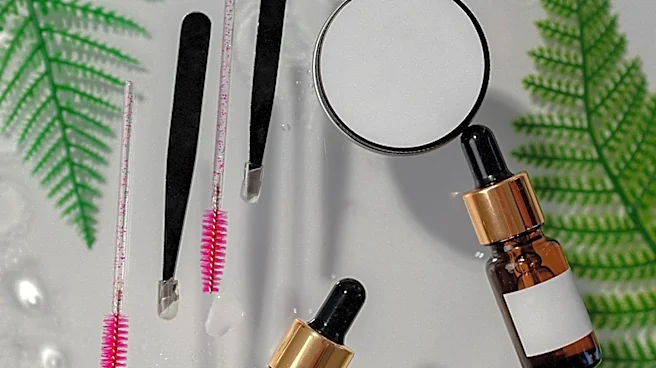
The first 24 to 48 hours are critical for ensuring your results last. The main rule is to keep your brows completely dry—no water, steam, sweat, or makeup. Getting them wet can disrupt the setting process and ruin the shape. After this initial period, care is simple. You’ll need to brush them into place with a spoolie each morning, especially after washing your face. Applying a conditioning brow serum or a little castor oil at night can also help keep the hairs healthy and hydrated, preventing them from becoming dry or brittle from the chemical process. With proper care, results typically last six to eight weeks.
Finding a Pro and Avoiding a Bad Lamination
The key to a good result is a skilled technician. Look for a certified professional and, most importantly, check their portfolio. Pay attention to their before-and-after photos—do the results look fluffy and natural, or are they all overly styled and shiny? A good technician will often perform a patch test to check for skin sensitivity. Warning signs of a bad lamination include excessive redness or swelling that doesn't subside, itchy or peeling skin, or, in worst-case scenarios, hair breakage from over-processing. Don't be afraid to ask about their training and the products they use before you book.