






The Ultimate Secret Weapon for Thick Hair
Anyone with a dense, heavy head of hair knows the struggle: the sheer weight, the endless drying time, the ponytail-induced headaches. This is where the undercut transcends aesthetics and becomes a functional tool. By removing a significant portion of hair from
the nape of the neck or the sides, an undercut instantly eliminates bulk without sacrificing overall length. The result is hair that feels lighter, dries faster, and is significantly easier to manage. For many, it's the first time they can wear their hair down in the summer without overheating or style a bob that doesn't 'mushroom' out at the bottom. It's a practical solution that stylists familiar with thick hair often recommend, as it can be more effective than thinning shears, which can sometimes lead to frizz. This weight reduction can also improve scalp health by allowing for better air circulation, potentially reducing issues like irritation and excess sweat.
A Two-in-One Haircut You Can Hide
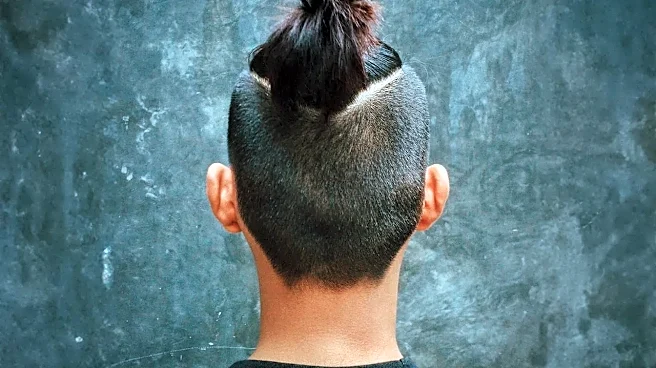
One of the most compelling and under-discussed aspects of the undercut is its incredible versatility. It’s the closest thing to having two different hairstyles at once. A hidden nape undercut, for example, is completely concealed when you wear your hair down, presenting a classic, professional look. But pull your hair into a ponytail or bun, and you reveal a bold, stylish secret. This dual nature makes it an ideal choice for people who want to express their edgier side without committing to a look they have to display in every situation, like a corporate office. This adaptability allows for a form of self-expression that can be turned on and off at will, offering a sense of control and playfulness that few other haircuts can match. You can have your polished daytime look and your rockstar vibe all in the same day.
Lower Maintenance in Surprising Ways
The common assumption is that an undercut is high-maintenance, and in one way, that’s true: the shaved section requires regular trims, typically every two to four weeks, to stay sharp. However, many people find it dramatically lowers their daily styling maintenance. With less hair to wash, dry, and style, morning routines can become significantly faster. Reduced bulk often means less need for heat styling, which can lead to healthier hair in the long run. While you do have to plan for the upkeep of the shave itself, you gain back time and effort on a daily basis. The grow-out phase can seem daunting, but it’s a manageable process that can be navigated with creative styling, like strategic parting or low ponytails, until the lengths begin to blend.
More Than a Style, It’s an Identity
Historically, the undercut has been a symbol of rebellion, practicality, and non-conformity. It has roots in early 20th-century working-class and military life, where short, manageable hair was a necessity. It was later adopted by street gangs and punk movements as a visual break from the mainstream. Today, that legacy of individuality continues. For many, choosing an undercut is an act of empowerment. It can be a way to challenge traditional beauty norms, play with androgyny, or signal membership in a community, particularly within queer culture where it often serves as a visual signifier. It’s a hairstyle that projects confidence and a certain fearlessness. Choosing to shave part of your head is a bold move, and wearing it is a statement that you are defining your own style, whether it’s visible to the world or a secret just for you.